


Quick Facts:
- Who: DJI (SZ DJI Technology Co.) versus Insta360 (Arashi Vision Inc.)
- What: Two patent lawsuits over the Insta360 Luna gimbal cameras
- Claims: Two design patents in one suit, four utility patents in the other
- Accused products: Insta360 Luna Pro and Luna Ultra
- Where filed: U.S. District Court, Eastern District of Texas, Marshall Division
- When: June 10 and June 11, 2026
- DJI wants: Permanent injunction, damages, profit disgorgement, enhanced damages, legal fees
- Insta360’s position: The Luna is independent work, and a countersuit is being prepared
8 min read
In This Article
- DJI Sues Insta360 Over the Osmo Pocket Design
- Two Complaints: Design Patents and Utility Patents
- Which Insta360 Luna Products Are Named
- Insta360’s Response and Countersuit Plans
- Why DJI Sues Insta360 Now: A Wider Rivalry
- What the Patent Lawsuits Mean for Buyers
- What Happens Next in the Case
- Frequently Asked Questions
DJI Sues Insta360 Over the Osmo Pocket Design
DJI sues Insta360 in a pair of patent cases filed this week, and the fight centers on one product family: the new Insta360 Luna gimbal cameras. DJI argues the Luna line copies the design and core features of its DJI Osmo Pocket. Both complaints landed in the U.S. District Court for the Eastern District of Texas, Marshall Division, on June 10 and June 11, 2026.
The dispute pits two of the biggest names in handheld stabilized cameras against each other. DJI created the pocketable gimbal category with the original Osmo Pocket in 2018. Insta360, meanwhile, built its reputation on 360-degree and action cameras before stepping directly into DJI’s territory with the Luna. Because the Luna competes head-on with the Osmo Pocket, the timing of the lawsuits follows the camera’s U.S. release closely.
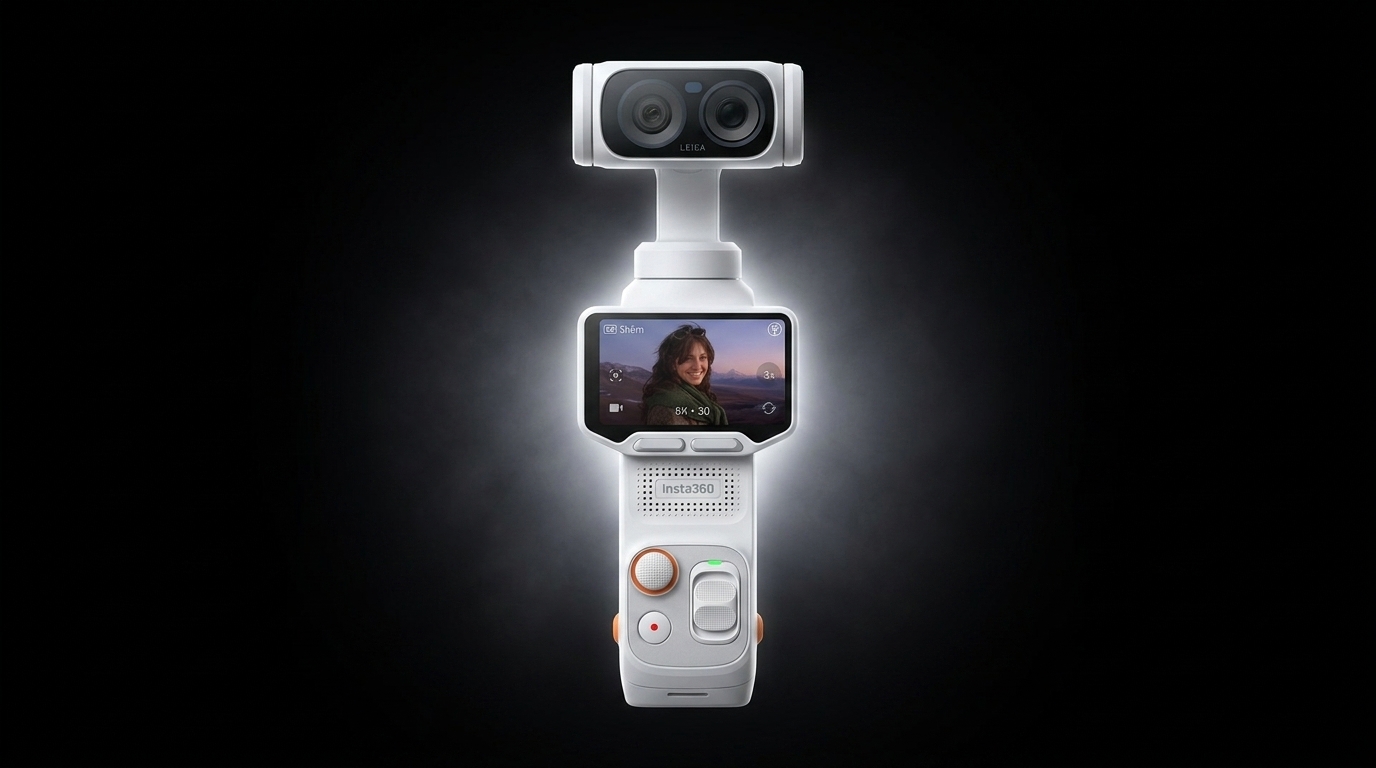
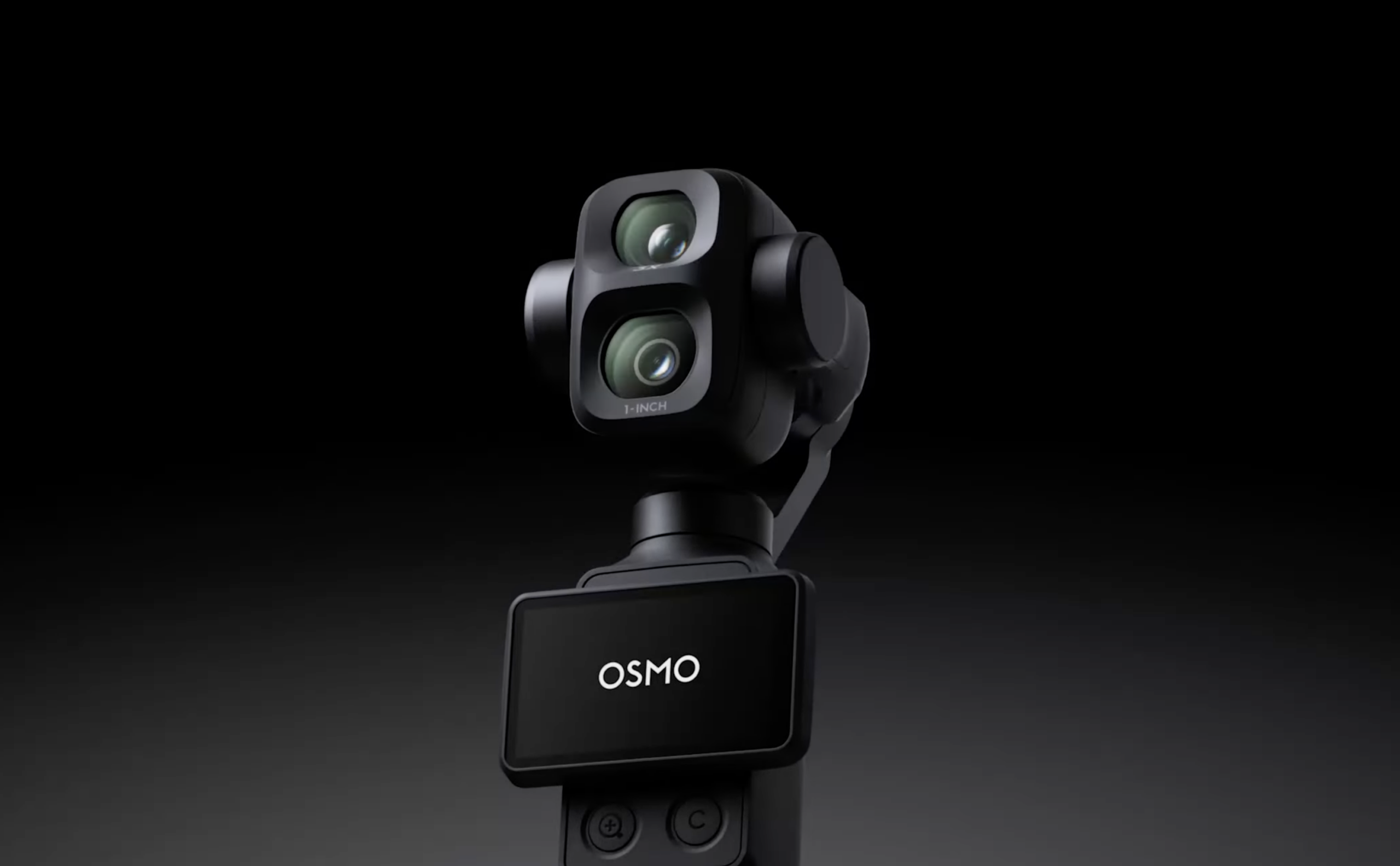
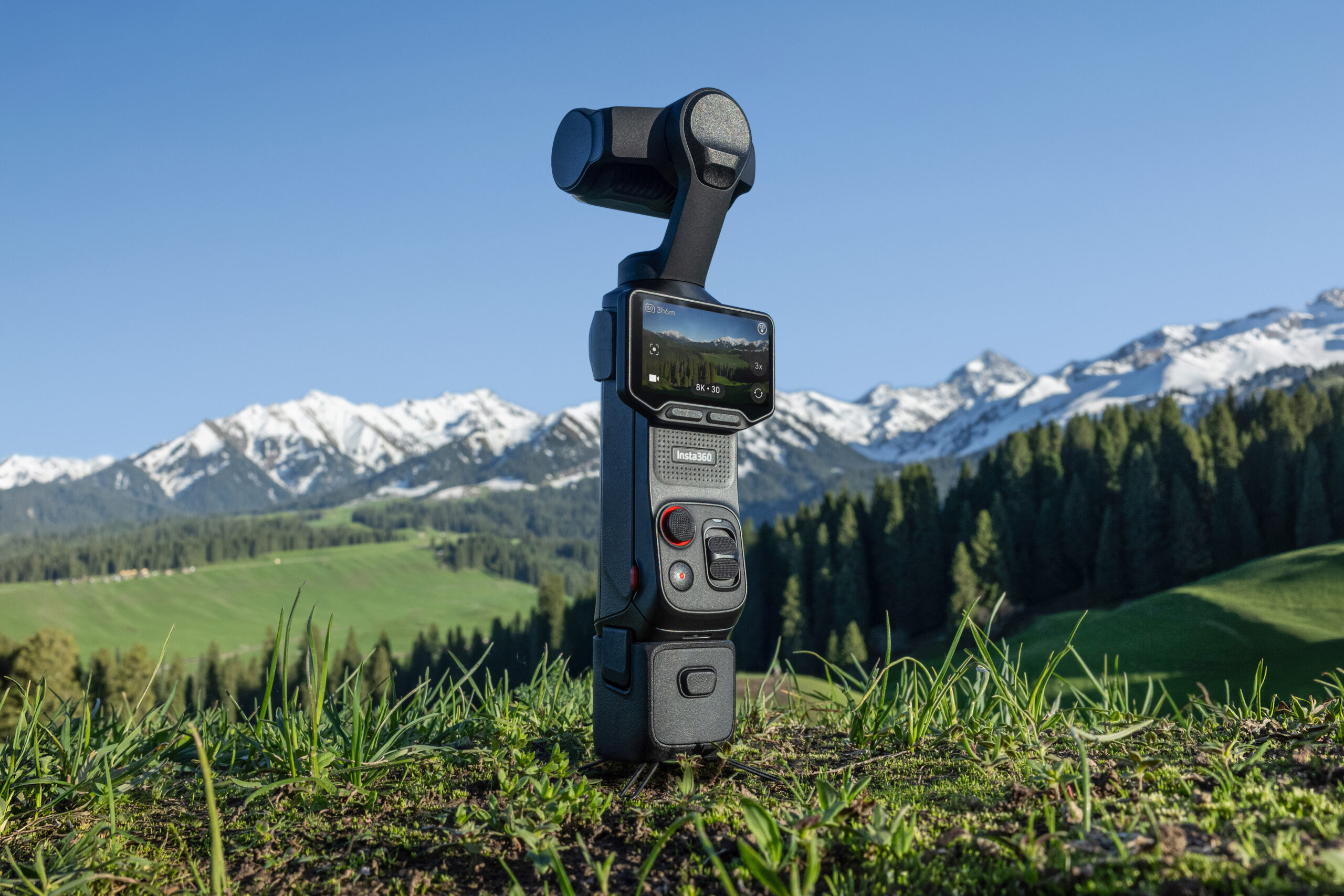
For a side-by-side look at the two products at the heart of the case, see our breakdown of the Insta360 Luna vs DJI Pocket 4. Both cameras share a familiar silhouette, a 1-inch sensor, Leica optics, and a detachable touchscreen. Those overlaps sit at the core of DJI’s complaint, and they explain why the company moved quickly once sales began.
Two Complaints: Design Patents and Utility Patents
DJI split its action into two separate filings, and each targets a different kind of protection. The first complaint accuses Insta360 of infringing two design patents. Design patents cover the ornamental look of a product rather than how it works. Therefore, this first suit focuses on the physical shape and layout of the Luna cameras.
According to DJI, one design patent covers the “elongated handheld body, neck connecting the body to the gimbal arm connection point, gimbal assembly and camera.” A second design patent covers the “module at the top, rotatable display and bezel, lower control section housing the scroll wheel and record button, side-mounted accessory slot, and the port opening at the base.” In short, DJI claims the Luna mirrors the look of the DJI Osmo Pocket 3 from top to bottom.
The Four Utility Patents in the Second Suit
The second complaint moves from looks to function. Here, DJI cites four utility patents, which protect how a device operates. First, the company names a control device for a gimbal allowing mode switching between follow and locked modes through a single control. Second, DJI points to a handheld gimbal with integrated subject tracking and a real-time display, removing the need for a separate phone app.
Third, DJI cites a gimbal control method where the device’s own image of the target drives the gimbal’s motor commands. Fourth, the company names a self-contained system for tracking a subject and showing the image on the gimbal’s screen. Across both suits, DJI uses sharp language. Both complaints state the accused products “blatantly copy DJI’s patented inventions wholesale.”
Which Insta360 Luna Products Are Named
DJI’s filings name the Luna line as the “Accused Products.” Specifically, the complaints call out the Luna Pro and the Luna Ultra, along with supporting accessories and the Insta360 mobile application. DJI’s filings also list four corporate defendants doing business as Insta360: Arashi Vision Inc., Arashi Technologie B.V., Istone Innovation Ltd., and Instone Technology (HK) Ltd. The Luna Ultra launched at $769.99 and pairs an 8K-capable sensor with Leica branding.
DJI points to Insta360’s own marketing as evidence. Citing Insta360’s promotional materials and demonstrations at the 2026 NAB Show, DJI describes the Luna cameras as “handheld gimbal cameras with integrated optics,” the same architecture the company says it pioneered. Moreover, DJI highlights Insta360’s decision to market the Luna directly as a competitor to the Osmo Pocket line.
For context, DJI’s current entry in the category, the DJI Osmo Pocket 4P, carries a dual-camera setup and a 1-inch sensor. This is the product family DJI says the Luna copies.
Insta360’s Response and Countersuit Plans
Insta360 declined to comment officially on the lawsuits, which is standard for a publicly listed company in active litigation. The smaller company rejects the copy claim outright. Sources familiar with the matter told PetaPixel the company is preparing countersuits against DJI in the United States. Those countersuits would assert multiple utility patents tied to pocket gimbal cameras and 360-degree cameras.
Insta360 also rejects the framing of the Luna as a reactive product. According to those sources, development on the Luna began in 2020. Earlier Insta360 products, including the ONE R, the Link series, and the Flow series, helped shape the technologies and design direction behind the line. As a result, Insta360 presents the Luna as years of independent research rather than a copy.
Insta360 founder JK Liu has pushed back on DJI’s broader claims in public statements. He argues the company’s innovations were created independently, and he notes Insta360 reviews how rival products line up against its own patent portfolio. According to Liu, an internal review found DJI products fall within the scope of 28 Insta360 patents, yet the company chose not to sue over them.
Why DJI Sues Insta360 Now: A Wider Rivalry
This pair of cases is not the first time DJI sues Insta360. In March 2026, DJI filed a separate patent lawsuit in China against Arashi Vision. The earlier case cited six patents covering flight control, structural design, and image processing. DJI argued the disputed technologies were developed by former DJI employees within one year of their departure.
The rivalry now spans drones, action cameras, and gimbals. Insta360’s planned Antigravity A1 drone pushes the company further into DJI’s core market. Consequently, the patent disputes read as part of a broader contest for share in fast-growing camera categories. The Osmo Pocket cases add a third front to a fight already running across two countries.
The GoPro Case Sets a Precedent
Notably, Insta360 has faced and won a major patent challenge before. In February 2026, the U.S. International Trade Commission issued a final ruling in Insta360’s favor in a case brought by GoPro. The Commission cleared Insta360 on five utility patents covering stabilization, horizon leveling, distortion correction, and aspect ratio conversion, finding the patents invalid, not infringed, or both.
Insta360 says it spent more than $10 million to win the GoPro case, and it has signaled the same resolve toward DJI. The company describes the new claims as groundless and says it will defend its work through the legal process. Still, Insta360 also says it prefers expanding the market over litigation, reserving lawsuits as a last resort.
What the Patent Lawsuits Mean for Buyers
When DJI sues Insta360, the change at checkout stays minimal for now. The Luna Pro and Ultra remain on sale in the United States, and DJI’s filings do not freeze sales on their own. DJI does ask the court for a permanent injunction, which would block further sales of the Luna line if granted. Still, an injunction would arrive only after a ruling far down the road.
There is a notable contrast in availability. Many of DJI’s newest products face U.S. import and sales restrictions tied to an FCC review, while Insta360 faces no such limits. Our explainer on DJI’s FCC ban troubles covers how those rules reshape the gear photographers buy. A patent lawsuit and a regulatory ban are different problems, so it helps to keep the two apart.
If you own a Luna or plan to buy one, your camera keeps working regardless of the outcome. Patent cases target the maker, not the customer. Therefore, the practical risk to buyers stays limited to future availability and pricing, not to the gear already in your bag.
What Happens Next in the Case
Patent litigation moves slowly, and these cases sit at the earliest stage. First, Insta360 must answer the complaints, and the company has signaled it will both defend the Luna and file its own claims. After those answers, the court enters discovery, where each side gathers evidence and exchanges technical documents.
DJI is seeking damages “no less than a reasonable royalty,” profit disgorgement, enhanced damages for willful infringement under 35 U.S.C. Section 284, and attorneys’ fees under 35 U.S.C. Section 285. Because DJI filed in the Eastern District of Texas, a venue known for moving patent cases quickly, the schedule runs faster than many other courts. Even so, a final resolution often takes years.
Neither DJI nor Insta360 is likely to comment on the record until the cases close. For readers tracking the gimbal market, the practical signal is clear. Both companies plan to keep shipping competing products while the legal fight continues in the background.
Frequently Asked Questions
Why is DJI suing Insta360?
DJI sues Insta360 because it claims the Luna gimbal cameras copy the design and features of the DJI Osmo Pocket. One complaint asserts two design patents covering the camera’s look, while a second asserts four utility patents covering how the gimbal tracks subjects and switches modes.
What products are named in the lawsuit?
The complaints name the Luna Pro and the Luna Ultra, plus their accessories and the Insta360 mobile app. DJI calls these the “Accused Products” and points to Insta360’s marketing at the 2026 NAB Show as evidence of direct competition with the Osmo Pocket.
Is the Insta360 Luna a copy of the DJI Osmo Pocket?
DJI claims it is, but Insta360 disputes the charge. Sources say Luna development began in 2020 and grew from earlier products like the ONE R and Flow series. A court will weigh the evidence, so the answer remains open until the case resolves.
Where were the lawsuits filed?
Both suits were filed in the U.S. District Court for the Eastern District of Texas, Marshall Division, on June 10 and June 11, 2026. This venue is separate from the patent lawsuit DJI filed against Insta360 in China in March 2026 over drone and imaging technology.
Does this affect Insta360 Luna sales right now?
No. The Luna Pro and Luna Ultra remain available in the United States. DJI has asked for a permanent injunction to halt sales, but a court would need to rule first, and the process takes time.
Has Insta360 won patent cases before?
Yes. In February 2026, the U.S. International Trade Commission ruled in Insta360’s favor against GoPro, clearing the company on five utility patents. Insta360 says it spent more than $10 million on its defense and plans a similar approach against DJI.

