


Quick Facts:
- Company: GoPro, Inc. (NASDAQ: GPRO)
- Status: Going-concern warning filed June 1, 2026; still operating and shipping cameras
- Q1 2026 revenue: Down 26% year over year
- Newest camera: GoPro Mission 1 Pro, 50MP 1-inch sensor, 8K60 video
- Mission 1 Pro price: $699.99 MSRP, or $599.99 for GoPro subscribers
- Main rivals: DJI Osmo Action 6, Insta360 Ace Pro 2
- Used-gear option: MPB
- Best for: Owners and shoppers weighing a purchase right now
8 min read
In This Article
- Is GoPro Going Out of Business? The Short Answer
- What a Going-Concern Warning Means
- How GoPro Reached the Brink
- What It Means If You Already Own a GoPro
- Hands-On With the GoPro Mission 1 Pro
- Should You Still Buy a GoPro?
- GoPro vs. DJI and Insta360: Which Should You Pick?
- Final Verdict: Is GoPro Going Out of Business?
- Frequently Asked Questions
Is GoPro Going Out of Business? The Short Answer
If you typed “is gopro going out of business” after the June 2026 headlines, here is the plain answer. GoPro is not closing its doors today. However, the company did warn federal regulators of “substantial doubt” about its ability to keep operating at its current pace. The warning is serious, yet it does not mean the lights go off tomorrow.
On June 1, 2026, GoPro filed an 8-K with the Securities and Exchange Commission. In it, the company flagged the risk of breaching loan covenants and defaulting on debt. Meanwhile, GoPro keeps shipping cameras, staffing support, and selling through major retailers. The business is wounded, not gone.
For photographers and creators, the practical question is simpler. Should you trust your money to a GoPro purchase right now, and what happens to the gear you already own? Below, you get the financial picture in plain language, then a hands-on read on the new Mission 1 Pro, and finally a clear buying recommendation.
What a Going-Concern Warning Means
A going-concern warning is an accounting term, not a death certificate. Auditors add it when they see real risk a company cannot cover its obligations over the next 12 months. Many readers searched “GoPro bankrupt” after the news, but a bankrupt company and a strained one differ sharply. GoPro’s auditor, PricewaterhouseCoopers, attached the explanatory note to the refiled 2025 financials.
Those refiled numbers tell the story. GoPro reported $652 million in 2025 revenue and a $93.5 million net loss. First-quarter 2026 revenue then fell 26% year over year. Because the refiling carried the going-concern language, lenders might argue it triggers an event of default, and cross-default clauses would spread the problem across other loans.
Still, a going-concern flag often pushes a company to act rather than fold. GoPro has already engaged advisors and opened talks with Farallon, Wells Fargo, and Yorkville about financing or covenant waivers. Many firms receive this warning, restructure, and continue. So treat it as a loud alarm, not a final verdict.
How GoPro Reached the Brink
Two forces collided. First, memory prices exploded. During the last week of March 2026, prices for the memory chips inside GoPro cameras jumped between 80% and 115%, driven by the global AI boom soaking up supply. Suppliers then warned in April about cutting production further, which squeezed GoPro’s margins and slashed its sales forecast.
Second, competition got fierce. For years, DJI and Insta360 chipped away at the action-camera market GoPro once owned. Both companies shipped feature-packed cameras at lower prices, and GoPro’s recent flagships, including the GoPro Hero 13, struggled to pull ahead. Good cameras, yes, yet they lacked the firepower to clearly beat the rivals.
The financial fallout shows in the stock. GoPro shares trade near $1, after a steep drop on the June 1 news and a fall of more than 60% over the past year. When GoPro went public in June 2014, it closed its first day at $31.34, valuing the company near $4 billion. Today the market values it around $180 million. As a result, leadership cut roughly 23% of staff in April and now weighs a sale, a merger, or a pivot into defense and aerospace.
What It Means If You Already Own a GoPro
First, your camera keeps working no matter what happens in the boardroom. A GoPro is a standalone device, so it records, stabilizes, and exports footage without any connection to the company’s bank account. If you own a Hero or a Mission camera, nothing changes overnight.
Warranty and software are the real questions. Right now, GoPro continues to honor warranties, push firmware, and run the Quik app and cloud subscription. Should the company restructure or get acquired, a buyer would likely keep those services running, because the subscriber base is a core asset. To protect yourself, back up important footage locally instead of relying only on cloud storage.
Accessories also stay safe. GoPro uses a widely copied mounting standard, so third-party mounts, batteries, and cases will keep flowing regardless of GoPro’s fate. If you want to keep shooting confidently, our guide to getting more out of your action camera still applies, so your investment holds up.
Hands-On With the GoPro Mission 1 Pro

Here is where the story turns hopeful. I tested the GoPro Mission 1 Pro for roughly six weeks, and it is the first GoPro in years I would put against anything on the market. Earlier GoPros were good cameras, but they did not have enough to clearly outgun DJI and Insta360. This one does.
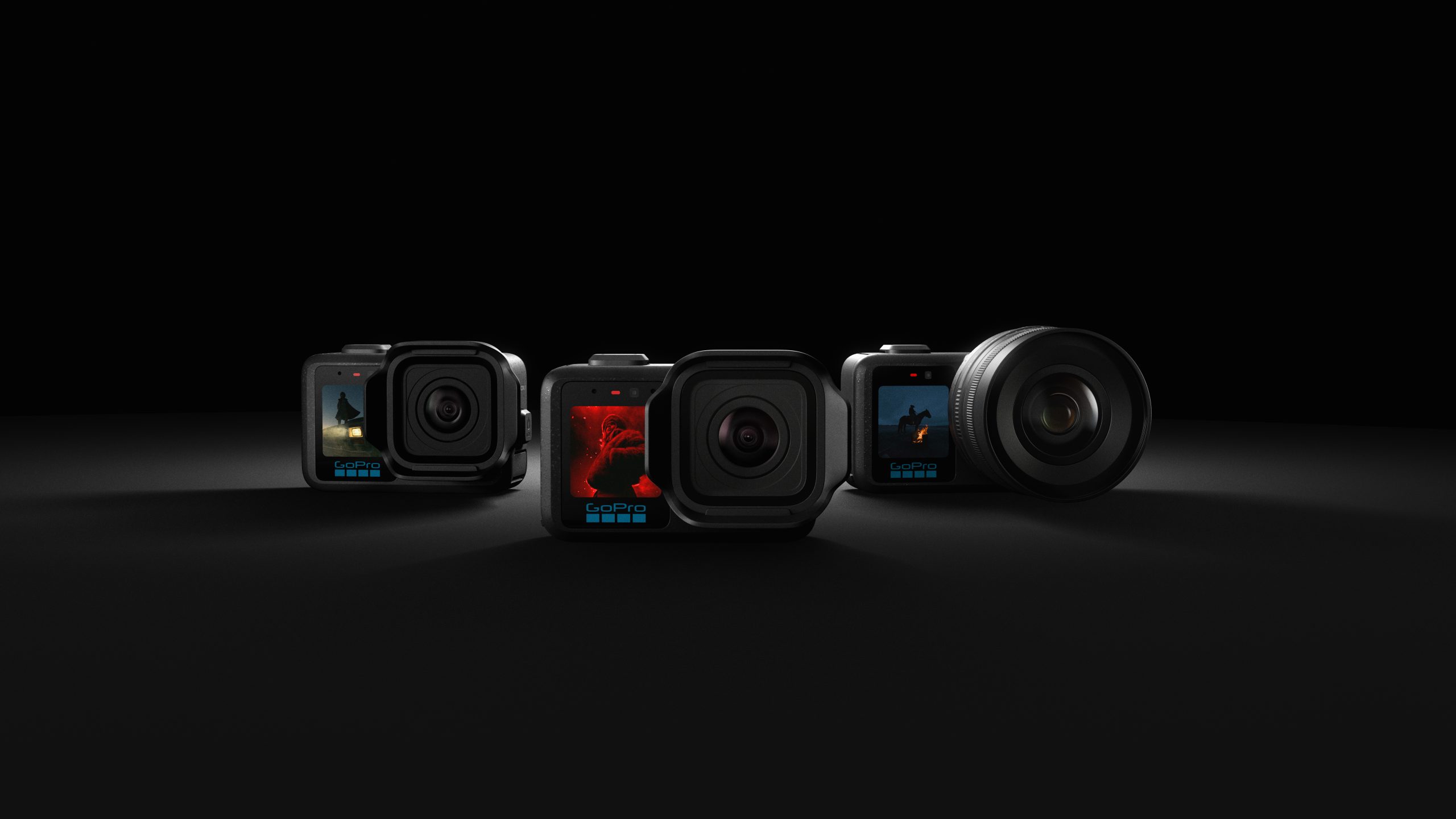
The Mission 1 Pro pairs a 50MP 1-inch Quad Bayer sensor with the new GP3 processor. It records 8K60 in 16:9, drops to 4K240 for slow motion, and shoots 8K30 and 4K120 in Open Gate. Low-light footage looks cleaner than any prior GoPro, and the 14 stops of dynamic range give editors real room to grade. The 32-bit float audio is a genuine surprise on a camera this small.
GoPro launched the Mission 1 Pro on May 28, 2026, at $699.99, or $599.99 for subscribers. For a closer look, see our full Mission 1 Pro review and the Mission 1 Pro vs Osmo Action 6 spec test. The timing hurts, because the financial crisis hit before the camera had time to lift sales. Yet on hardware alone, GoPro finally built something worth fighting for.
GoPro Mission 1 Pro at a Glance
| Specification | Details |
|---|---|
| Sensor | 50MP 1-inch Quad Bayer |
| Processor | GoPro GP3 |
| Max video (16:9) | 8K60, plus 4K240 slow motion, 1080p960 burst |
| Open Gate (4:3) | 8K30, 4K120 |
| Photo | 50MP RAW |
| Dynamic range | 14 stops |
| Audio | 32-bit float |
| Price | $699.99 MSRP / $599.99 subscribers |
| Released | May 28, 2026 |
You might ask, should I buy a GoPro while the company is in trouble? For most shooters, the answer is yes, with one smart precaution. Buy from a retailer with a clear return policy, so a warranty dispute never leaves you stranded. Because the cameras work independently of GoPro’s finances, the hardware risk is low even if the company restructures.
If warranty anxiety still nags at you, two paths lower your exposure. First, buy used through MPB, where the price already reflects resale risk, so you pay less and have less to lose if support changes. Second, hold off and read the comparison below before you decide. Either path keeps you shooting without losing sleep over headlines.
For creators who want the best GoPro image quality, the GoPro Mission 1 Pro earns the buy. On rough rides with helmet, chest, or handlebar mounts, the smaller Hero line remains the practical pick. Match the camera to the job, and the company’s stock price stops mattering to your footage.
GoPro vs. DJI and Insta360: Which Should You Pick?
Price is the first divide. The DJI Osmo Action line starts around $349, and the Insta360 Ace Pro 2 sits near $399.99 with a 50MP 1/1.3-inch sensor and strong low-light video. Against those, the $699.99 Mission 1 Pro asks a premium, so it has to justify the gap with image quality.
On pure output, the Mission 1 Pro now leads with its 1-inch sensor and 8K60 ceiling. For run-and-gun vlogging with built-in gimbal smoothness, the DJI Osmo Pocket 3 remains a favorite. When you shoot at night or lean on AI editing tools, Insta360 still holds an edge.
Here is the honest breakdown. Pick the Mission 1 Pro when image quality leads your priorities and budget allows. Choose DJI when you want the lowest price or the best handheld stabilization. Go with Insta360 when low-light performance and quick AI editing top your list. Each brand wins a different buyer.
Final Verdict: Is GoPro Going Out of Business?
Is GoPro going out of business? Not today, and not necessarily at all. The going-concern warning is real, the debt risk is real, yet the company is actively seeking financing and still shipping competitive hardware. For owners, your gear and services keep working, so there is no reason to panic.
If you plan to buy, the Mission 1 Pro is the strongest reason to back GoPro in years. After six weeks of testing, I believe it stands toe to toe with anything DJI or Insta360 ships right now. Earlier GoPros never reached this level, so this camera matters beyond its spec sheet.
On value, the $699.99 price sits above the rivals, but the 1-inch sensor and 8K60 video earn it for serious creators. If the Mission 1 Pro sells the way the hardware deserves, GoPro has a real shot at pulling its head above water.
My recommendation is to buy with confidence and a sensible return policy, or step to the Insta360 Ace Pro 2 if you want a lower price and similar quality. I am rooting for GoPro to hold on, because the market is healthier with three strong players instead of two.
Frequently Asked Questions
Is GoPro going out of business in 2026?
No, not as of June 2026. GoPro issued a going-concern warning, which signals financial risk over the next year, but the company keeps operating, shipping cameras, and seeking financing. A warning is a serious alarm, not an immediate shutdown.
Is GoPro bankrupt?
No, GoPro has not filed for bankruptcy. A “GoPro bankrupt” headline would require a court filing, which has not happened. The company warned it might default on loans if it breaches covenants, and it is in active talks with lenders to avoid a default. For now, GoPro remains a publicly traded, operating business.
What happens to my GoPro warranty if the company fails?
Today GoPro still honors warranties and runs its Quik app and cloud service. If a sale or restructuring happens, a buyer would likely keep those services because subscribers are valuable. Back up footage locally to stay fully protected.
Should I buy a GoPro right now?
If you ask should I buy a GoPro, the answer for most creators is yes, especially the Mission 1 Pro for image quality. Buy from a retailer with a clear return policy to cover warranty concerns. Should you prefer a lower price, the Insta360 Ace Pro 2 and DJI Osmo Action line are strong alternatives.
Why is GoPro struggling financially?
Two reasons stand out. Memory chip prices spiked 80% to 115% in late March 2026 because of AI-driven demand, which crushed margins. At the same time, DJI and Insta360 took market share with cheaper, feature-rich cameras.
What is the GoPro Mission 1 Pro?
The Mission 1 Pro is GoPro’s new compact cinema camera, released May 28, 2026. It uses a 50MP 1-inch sensor and the GP3 processor, shoots 8K60 video, and costs $699.99, or $599.99 for GoPro subscribers.

