


The gap between a photographer clients forget and one they recommend for years rarely comes down to technical skill. It comes down to how the client feels at every touchpoint between inquiry and delivery.
I’ve spent years helping photographers and small businesses build brands from the ground up. Working through the full client lifecycle from first contact to final product, I’ve watched where the photography client experience breaks down most often. The photographers who build loyal referral networks aren’t necessarily the most technically gifted in the room. They’re the ones who communicate clearly, deliver consistently, and put something physical and beautiful in a client’s hands at the end of the process. It’s a combination rarer than it should be, and it’s entirely buildable.
This guide covers the specific tweaks moving the needle most on the photography client experience: communication structure, gallery delivery, print product selection, and fulfillment. Most cost little or nothing to implement. A few require a reliable print partner. After reviewing multiple Lumaprints products across canvas, metal, framed canvas, and fine art paper formats over six years of print testing on PhotographyTalk, I’ve seen firsthand how much the physical product changes things. The product at the end of a session shapes how clients remember the entire experience. A print on a wall stays. A download link on a hard drive gets forgotten. The photography business tips in this guide are designed to close the gap.
Quick Facts:
- Topic: Photography client experience improvements across communication, delivery, and print quality
- Experience basis: Years of brand-building with photographers and small businesses, six years of print product testing
- Print partner featured: Lumaprints (lumaprints.com)
- Formats covered: Canvas, metal, framed canvas, fine art paper
- Cost to implement: Most tweaks are free; print upgrades start at $63 (Lumaprints 16×20 canvas)
- Best for: Portrait, wedding, commercial, and family photographers building referral-based businesses
8 min read
In This Guide
- Fix Your Client Communication Structure
- Set Expectations at Booking, Not After
- Upgrade Your Gallery Delivery
- Add a Physical Print Product
- Automate Fulfillment Without Losing Quality
- Packaging as a Brand Touchpoint
- The Follow-Up That Generates Referrals
- Pros and Cons
- Final Verdict
- Frequently Asked Questions
Fix Your Client Communication Structure

Most photographers underestimate how much client anxiety lives in the silence between sessions. A client who doesn’t hear from you between booking and shoot day fills the silence with questions: Did they confirm my date? Do they have my location? What should I wear? Those questions are low-stakes individually, but collectively they create a background noise of uncertainty around working with you. The noise is avoidable.
A simple three-touch communication structure solves most of it. First, send a confirmation email the day of booking with the date, time, location, and any prep instructions. Next, send a reminder three to five days before the session with a brief checklist covering wardrobe, arrival time, and what to expect. Finally, send a follow-up within 24 hours of the session confirming you’re excited about the images and sharing a rough delivery timeline. None of these require more than three paragraphs each. Together they reduce inbound client questions significantly and position you as organized and professional before the images even arrive.
Templates are your friend here. Write the three emails once, save them, and customize two or three details per client. The time investment is minimal. The return, in reduced back-and-forth and stronger client confidence, compounds across every session you book.
Set Expectations at Booking, Not After
The most common source of client disappointment in photography isn’t poor image quality. It’s a mismatch between what the client expected and what happened. Expectations set after a problem arises are damage control. Expectations set at booking are photography brand experience-building.
At booking, cover four things explicitly: timeline for gallery delivery, what the gallery will contain, what print or product options will be available, and how the client reaches you with questions. Cover all four in writing. Photographers who do this work with fewer difficult client conversations, receive more five-star reviews, and generate stronger referrals because their clients feel informed rather than surprised at every stage.
The photography client experience you deliver is only as good as the experience the client anticipated. Close the gap between those two things and the entire relationship runs more smoothly.
Upgrade Your Gallery Delivery

Gallery delivery is the peak emotional moment of the photography client experience, and most photographers treat it like an administrative task. A link in an email with “Here are your photos” is a missed opportunity. The images inside the gallery may be extraordinary, but the delivery context shapes how the client receives them.
A few simple upgrades change this dramatically. Write two or three sentences in the delivery email about a specific moment from the session. A light coming through at the right moment, an expression you loved, a detail from the location. It takes three minutes and personalizes the delivery in a way clients remember and repeat when they refer you. Name the gallery something meaningful, not a job number or date. Set a featured image at the front of the gallery, the one you’d hang on your own wall. Clients opening to a strong first impression convert better than those dropped into a random sequence. Include a note about print options directly in the delivery email, not as a separate follow-up sent days later when the emotional peak has passed.
These are not technical changes. They’re experiential ones. Photographers who implement them report higher print conversion rates, more social media tags, and more unprompted referrals, because the delivery itself becomes something clients talk about.
Elevate Your Client Deliverables with Lumaprints
Canvas, Metal, Framed Canvas, Fine Art Paper.
Professional print quality at prices built for photographers. Drop-ship direct to clients with no inventory required.
Add a Physical Print Product to Your Photography Business
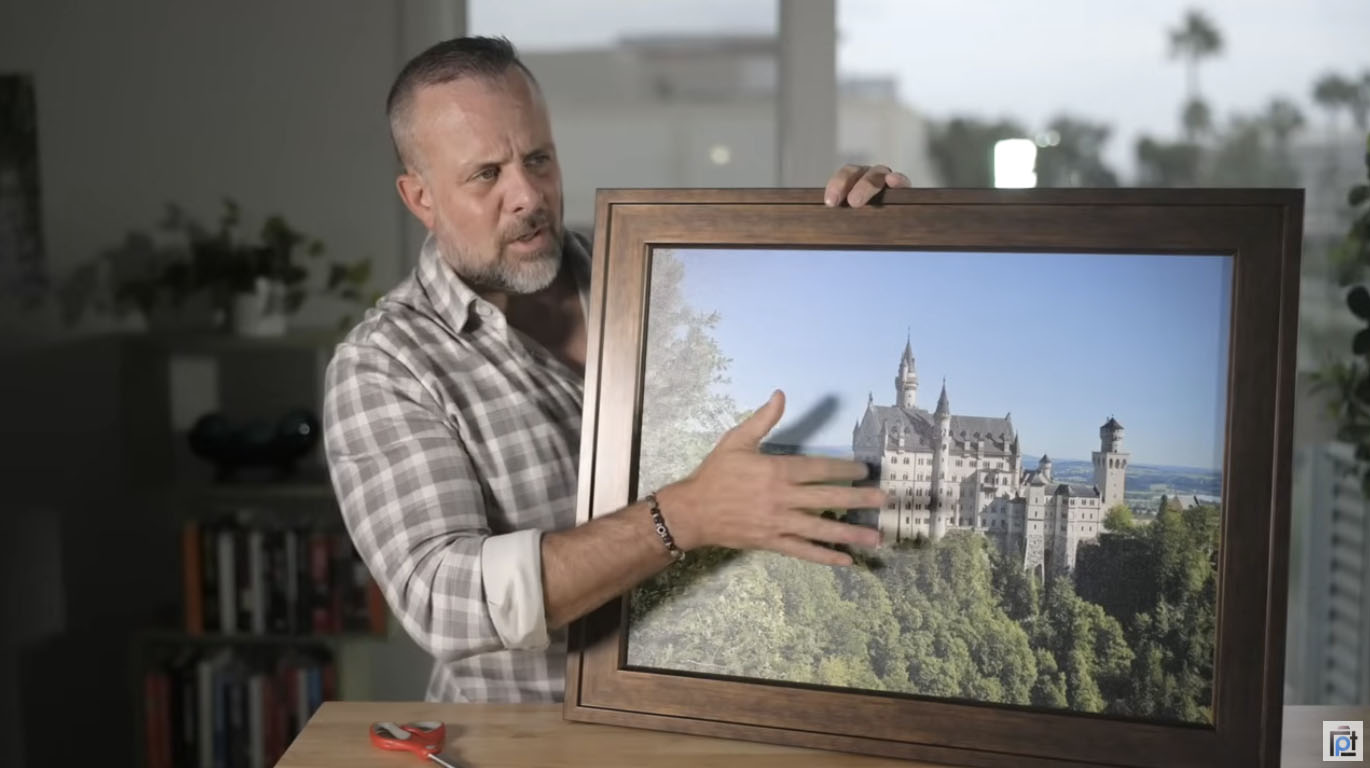
The single highest-impact upgrade to the photography client experience is also the one most photographers delay indefinitely: adding a physical print product. A framed canvas on a client’s wall is a daily reminder of the experience you created together. A digital file buried in a download folder is not. The difference in referral value between those two outcomes is significant, and it’s driven almost entirely by whether the client has something physical to show.
The substrate matters for professional photography delivery. Canvas delivers warmth and texture suited to portraits, family sessions, and natural-light work. Metal prints carry a luminous, high-contrast look best for dramatic imagery, landscapes, and bold commercial work. Framed canvas occupies the premium tier, arriving ready to hang and signaling a level of care most clients don’t expect at most price points. Fine art paper appeals to the collector-minded client who wants something gallery-worthy. Offering two or three substrate options in a simple menu, rather than an overwhelming array, consistently outperforms either no offer or an exhaustive product catalog.
After six years of reviewing print products and working with photographers on how they present physical deliverables to clients, Lumaprints stands out as a reliable partner at this price range. Our full Lumaprints review covers seven products tested across two years. It includes the 16×20 canvas at $63, a price point we rated 6-out-of-5 for value, one of only a handful of times we’ve awarded it in six years of print testing. It includes the 16×20 canvas at $63, a price point we rated 6-out-of-5 for value, one of only a handful of times we’ve awarded it in six years of print testing. On the premium end, the Lumaprints framed canvas review found packaging and presentation quality a level above what most photographers expect at this price range.
Automate Fulfillment Without Losing Photography Print Quality
The practical objection most photographers raise to adding print products is fulfillment: ordering, storing, packaging, and shipping physical products takes time and infrastructure they don’t have. Print-on-demand removes every one of those barriers. With a POD model, the lab produces each print after the client orders it and ships directly to the client’s address. You never touch the product. Your time investment is setting up the store integration once.
Lumaprints integrates with Shopify, Etsy, WooCommerce, Squarespace, OrderDesk, and ShipStation, so orders flow automatically from your store to production. Their two US manufacturing locations, Anaheim, CA and Louisville, KY, keep transit times reasonable coast to coast. Custom branding options including invoices and packing inserts mean the delivery still feels like it came from you. For a full breakdown of how this model works, see our guide on selling prints through automated fulfillment and why print-on-demand belongs in your photography business plan.
The result is a professional photography delivery including a physical product without adding hours of logistics to your week. Setup takes one to three hours. After setup, the system runs on its own.
Packaging as a Photography Brand Experience Touchpoint
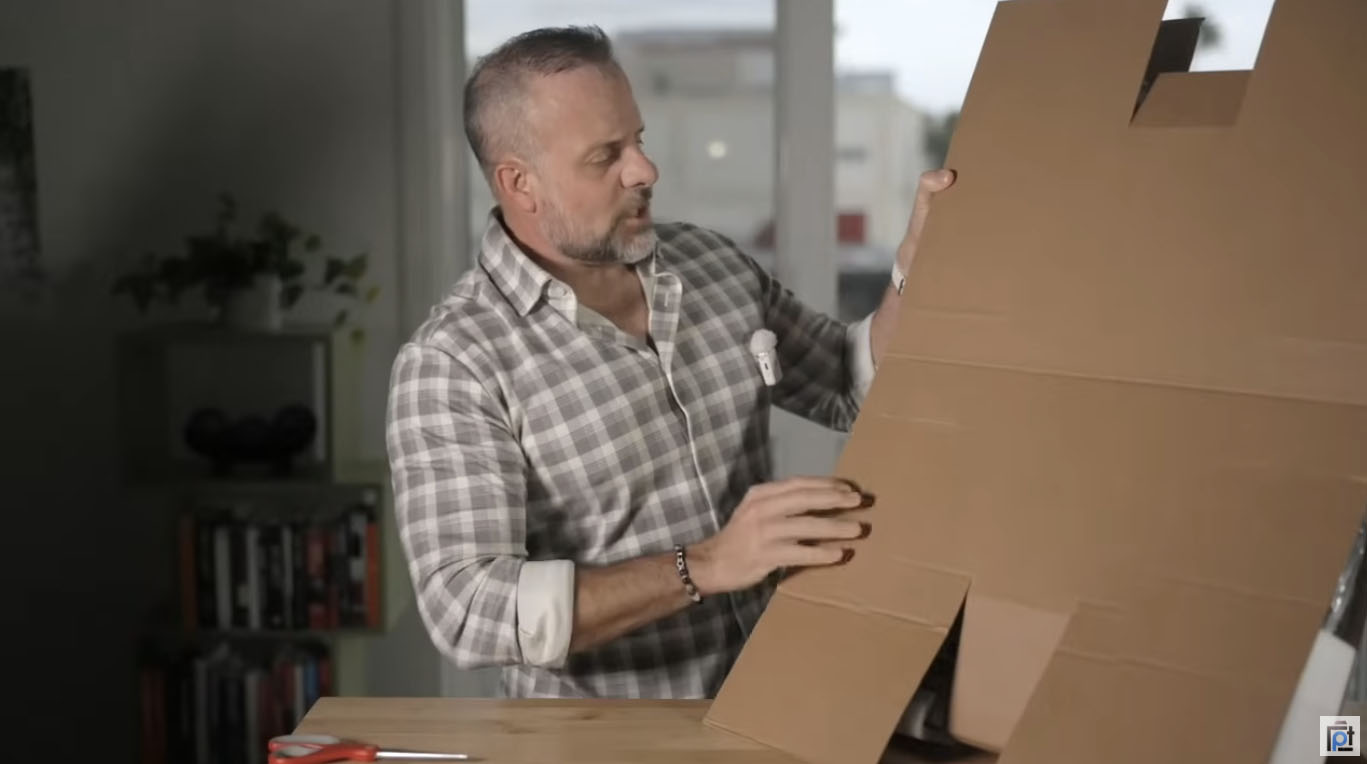
When shipping physical products to clients, packaging is a brand touchpoint whether you treat it as one or not. A print arriving damaged or in a generic brown box communicates something about how you value the client’s experience. A print arriving in structured packaging, wrapped in protective film, with a brief personal note or branded insert, communicates something entirely different.
Lumaprints handles packaging at a professional level across their product line. In our Lumaprints metal print review, the print arrived in a cardboard cradle absorbing side impact during transit, wrapped in protective plastic film, with hanging instructions included. In our Lumaprints canvas print review, foam corner protectors and reinforced cardboard kept the canvas surface pristine through shipping. For photographers drop-shipping to clients, this level of packaging protects both the product and your professional reputation.
If you’re adding a personal touch beyond what the lab provides, keep it simple. A brief handwritten note on a branded card works well. So does a care card explaining how to hang or clean the print, or a small discount code for a future order. None of those require more than five minutes per order and all of them elevate the unboxing from functional to memorable.
Professional Packaging on Every Order
Lumaprints Ships Like a Pro Lab Should
Protective packaging, custom branding options, and two US manufacturing sites for reliable transit times.
The Follow-Up That Generates Photography Business Referrals
Most photographers end the client relationship at gallery delivery. The referral-generating photographers end it three weeks later.
A follow-up message sent two to three weeks after gallery delivery serves two purposes. First, it gives the client time to sit with the images, share them, and likely print or frame something, creating a natural conversation opener. Second, it arrives at the moment clients are most likely to mention you to someone, because the work is fresh and they’ve had time to think about it. The message doesn’t need to be elaborate. Ask if they’re happy with the images, mention you’d love to hear if they’ve printed anything, and note you appreciate referrals if they know anyone who might benefit from working with you. Three sentences. One send. The referral rate from photographers who implement this step consistently outperforms those who don’t.
If the client did order a print, the follow-up writes itself. Ask how the print looks on the wall. People who’ve hung a beautiful print are primed to talk about it. A photographer who follows up to ask is memorable in a way most service providers never are.
Pros and Cons
Pros
- Three-touch communication structure reduces client anxiety and inbound questions with minimal time investment
- Expectation-setting at booking prevents most common sources of client disappointment
- Personalized gallery delivery emails increase print conversion rates and generate more social media tags
- Physical print products create lasting daily reminders of the session, driving referrals months after delivery
- Lumaprints POD model removes all fulfillment overhead: no inventory, no packaging, no shipping logistics
- Lumaprints professional packaging protects the product and reflects well on the photographer at delivery
- Follow-up messages sent two to three weeks post-delivery consistently generate referrals at a higher rate than no follow-up
Cons
- Communication templates take a few hours to build initially, and many photographers deprioritize the setup
- Adding print products requires pricing decisions and a store integration taking one to three hours upfront
- POD fulfillment means you don’t personally inspect each print before it ships to the client
- Gallery delivery upgrades require intentional effort per session; they don’t happen automatically
- Follow-up messages feel uncomfortable for photographers not accustomed to asking for referrals
Final Verdict
The photography client experience is a system, not a talent. Every touchpoint from inquiry to follow-up is a design decision, and most photographers run on defaults. The defaults are fine for getting through a session. They’re not enough for building the kind of business where clients come back and bring their friends.
The photography business tips in this guide are all implementable in a single week. Communication templates take an afternoon. Gallery delivery upgrades take one revised email. Print product setup through Lumaprints takes one to three hours and then runs automatically. Follow-up messages take three minutes per client. None of these are large changes individually. Together they produce a photography client experience distinctly different from most photographers competing for the same clients in the same market.
The photographers I’ve worked with who’ve built strong referral businesses didn’t outshoot their competition. They out-served them. Communication, professional photography delivery, print quality, and follow-up are the four levers. Every one of them is within reach.
Frequently Asked Questions
What is the most important part of the photography client experience?
Clear photography client communication and consistent delivery are the two highest-impact elements. Clients forgive minor imperfections in images far more readily than feeling uninformed or surprised. A photographer who communicates proactively at every stage, delivers on time, and includes a physical product at the end builds the kind of reputation clients repeat to everyone they know.
How do I improve my photography client communication?
Start with a three-touch structure: a confirmation email at booking, a prep reminder three to five days before the session, and a follow-up within 24 hours of shooting. Write these as templates, customize two or three details per client, and send consistently. Photographers who implement structured communication receive fewer inbound questions, fewer difficult conversations, and consistently stronger reviews.
Should I include prints in my photography packages?
Adding a physical print product is one of the highest-return changes a photographer makes to the photography client experience. A print on a client’s wall creates a daily reminder of the session, drives referrals for months after delivery, and positions the photographer as a professional rather than a file-delivery service. Start with one or two substrate options through a POD lab and expand as volume grows.
How does print-on-demand improve the photography client experience?
POD removes the fulfillment overhead, including inventory, packaging, and shipping, so photographers add print products without adding logistical complexity. Lumaprints integrates with Shopify, Etsy, WooCommerce, and other platforms so orders fulfill automatically. Custom branding options keep the delivery experience feeling personal even though the lab handles production and shipping.
What print substrates should I offer photography clients?
Canvas is the most broadly appealing starting point, converting well across portrait, family, and wedding work. Metal prints suit high-contrast and dramatic images. Framed canvas is the premium ready-to-hang option. Fine art paper appeals to collectors and editorial clients. Offering two or three options rather than an exhaustive menu makes the decision easier and conversion rates higher.
How do I generate more photography referrals?
Send a follow-up message two to three weeks after gallery delivery. Ask if the client is happy with the images, mention you’d love to hear if they’ve printed anything, and note you appreciate referrals. Photographers who include a physical print in their delivery and follow up two to three weeks later report consistently higher referral rates than those who end the relationship at gallery delivery.
A quick heads-up: If you snag something through our affiliate links or check out our sponsored content, we might earn a commission at no extra cost to you. But fear not, we’re all about recommending stuff we’re truly stoked about!

