


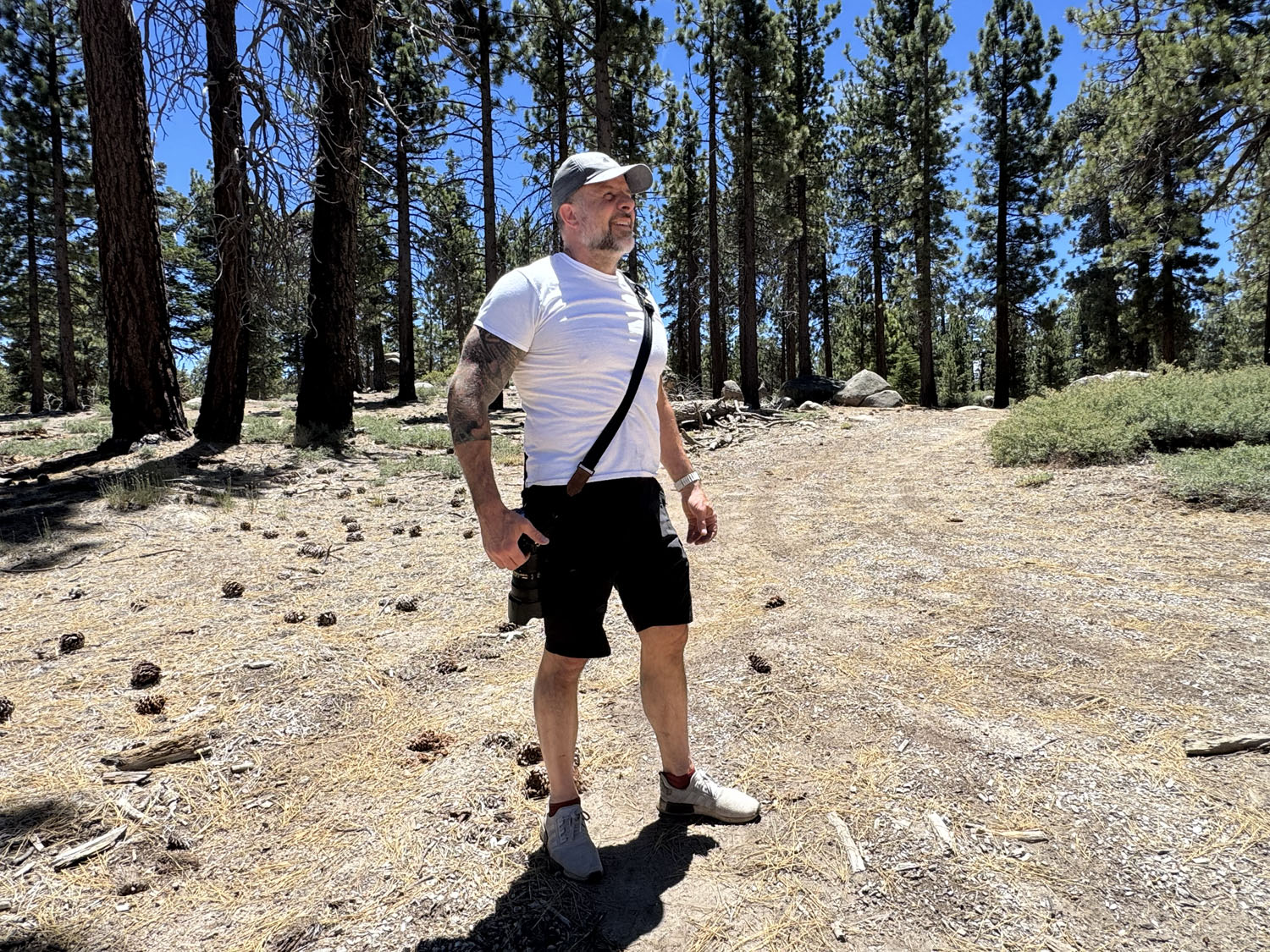
After several decades in the field, I’ve come to believe that carry systems are one of the most underestimated variables in photography. Most photographers spend serious money on bodies, lenses, and filters. They obsess over sensor resolution, autofocus speed, and noise performance. But hanging the camera from whatever strap came in the box introduces a factor that affects every frame they take next time out. I’ve watched good photographers get average results and had to trace it back, more than once, to how the camera rides on their body.
This is not an article about comfort, though comfort matters. It’s about image quality: the direct, concrete ways that camera carry affecting images shows up in your files. Some of these effects are obvious once you know to look. Others are subtle enough that most photographers never connect the symptom to the cause. Whether you’re shooting street, events, wildlife, or portraits, the carry system shapes what you’re able to do with the camera in your hands. Here’s what’s happening, and what to do about it.
Quick Facts:
- Topic: How camera carry affects image quality, sharpness, and creative output
- Skill level: All levels
- Key factors: Camera swing, retrieval speed, fatigue, stabilization position, missed moments
- Featured carry solution: LemurStrap with camlock and ARCA-Swiss baseplate
- LemurStrap price: $119.95 (full kit)
- Best for: Photographers who carry a camera for extended periods and want carry system to work with their shooting, not against it
8 min read
In This Article
- The Connection Most Photographers Miss
- Camera Swing and What It Does to Your First Frame
- Retrieval Speed and Missed Moments
- Fatigue, Creative Decisions, and Late-Day Image Quality
- Carry Position and Your Stabilization Baseline
- What a Better Carry System Changes
- How Camera Carry Affecting Images Plays Out: LemurStrap vs. Standard Neck Strap
- Pros and Cons
- Final Verdict
- Frequently Asked Questions
The Connection Most Photographers Miss Between Camera Carry Affecting Images
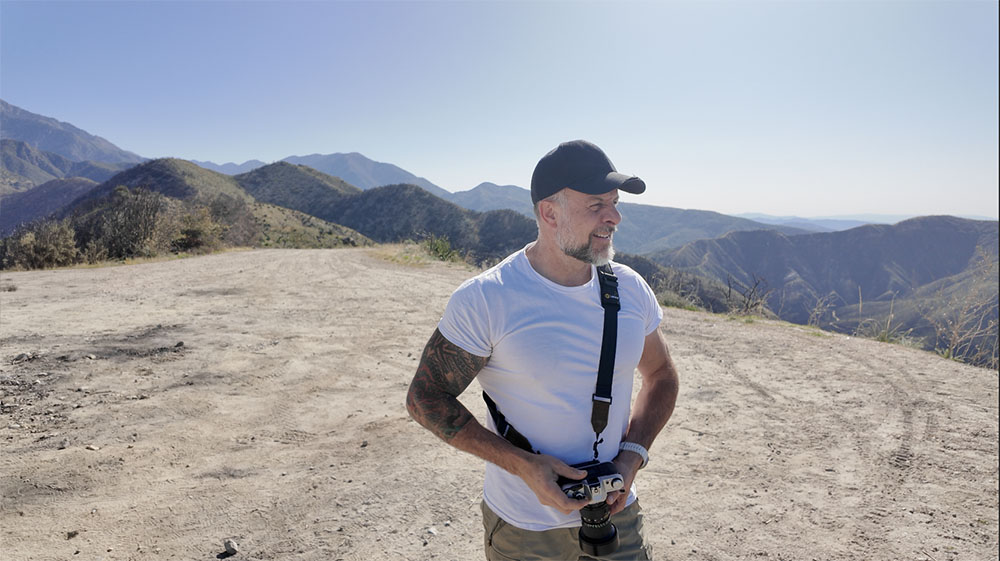
The camera carry affecting images connection is easy to miss because the effects are rarely immediate or obvious. Your strap doesn’t directly change your aperture or ISO. What it does is alter the conditions under which you use those settings, and those conditions compound across a shooting day. A strap that lets the camera swing adds motion to your first frame after retrieval. Slow retrieval means you miss the peak moment and settle for the reaction. Neck fatigue by hour four means your composition choices in hours five and six reflect a tired body, not your best eye.
I started noticing this pattern when working with photography students. Some of them had solid technical skills. Exposure was right, focus was sharp on test shots, but their take rates were low and their keepers were consistently worse than their test frames. When I looked at their workflow, the carry system kept showing up as a common thread. A swinging camera that needed stabilizing before every shot. Their neck strap pulled their head position out of alignment during long hangs. The retrieval sequence was so slow it was happening after the moment instead of before it. These are carry system problems. They show up in the images.
Camera Swing and What It Does to Your First Frame
A standard neck strap that allows camera swing creates a specific problem. By the time you raise the camera after walking, the body is still moving. On a neck strap, the camera swings forward on your chest with every step. When a moment appears and you lift the camera to your eye, the momentum from that swing is still present. Your first frame, taken half a second after retrieval, is more likely to show camera movement than one taken two seconds later.
This matters most in situations where the first frame is the only frame: a candid expression, a bird lifting off, a child’s reaction. Camera stability photography depends on more than IBIS and a fast shutter speed. It depends on whether the camera is stable before you start shooting. A carry system that locks the camera against your body during transit eliminates this problem entirely. The LemurStrap’s camlock mechanism holds the camera flat against your side while you move. When you release and raise it, there’s no swing momentum to overcome. The camera is stable before you shoot, not a second after.
Retrieval Speed and Missed Moments

Camera strap image quality is often a retrieval speed problem in disguise. Every carry system has a retrieval sequence: the steps between “moment appears” and “camera at eye, ready to fire.” Well-designed systems keep it short. A poorly designed one introduces friction at every step: grabbing a swinging camera, finding the grip, adjusting the strap tension, reestablishing your shooting position.
In practice, the difference between a 1-second retrieval and a 3-second retrieval is the difference between capturing a moment and photographing the aftermath. Street photographers know this instinctively. Wildlife photographers know it even better. Event photographers have to rebuild their timing around it. When I’ve timed photographers switching from a standard neck strap to a side-carry system, the retrieval time consistently drops. The camera is already at the correct height and orientation. One fluid motion brings it to the eye.
How Strap Design Shapes Your Shot Decisions
There’s also a subtler effect worth naming. When retrieval is slow or awkward, photographers unconsciously compensate by pre-raising the camera. They hold it in front of them, already in shooting position, for extended periods. This creates arm fatigue, reduces time with eyes on the scene rather than through the viewfinder, and limits peripheral awareness. A fast, predictable retrieval sequence means you keep the camera down until you need it. Your eyes stay on the world and your arms stay rested.
Buy Direct From LemurStrap
A Carry System Built Around the Shot
Camlock stability during transit, fast draw when it counts, and ARCA-Swiss integration for tripod work. Less friction between you and the frame.
Fatigue, Creative Decisions, and Late-Day Image Quality

Fatigue is one of the most direct ways that camera carry affecting images plays out across a full day. It’s also the one photographers are least likely to attribute to their strap. By hour five or six of a long day with a standard neck strap, your trapezius muscles are working hard and your neck is compressed. The result isn’t pain so much as a narrowing of creative attention. You stop working the scene, take fewer angles, and accept the first frame instead of waiting for the better one. Your late-day images are weaker. Not because of the light or the settings, but because you’re tired in a way that traces directly to how you’ve been carrying the camera.
Working with photographers over the years, I’ve seen this pattern often enough to consider it predictable. The switch to a side-carry system doesn’t eliminate fatigue, but it removes a significant source of it. When the camera load distributes across the torso, the neck and shoulder muscles that handle fine motor control stay fresher longer. For more on the physical side of this, the PhotographyTalk guide on shooting all day without body pain covers the mechanics in detail. The creative implication is straightforward: less physical drain means more mental capacity available for the actual photography.
Carry Position and Your Stabilization Baseline
Camera stability photography also depends on where the camera starts before you bring it to your eye. A camera that rides on your chest via a neck strap is already off-center from your shooting position. Bringing it to your eye requires a lift and a slight repositioning. A camera that rides at your side, lens down, starts from a more neutral position relative to your shoulder and arm. The path to shooting position is shorter and more consistent, which means the stabilization you get from your body mechanics is more predictable.
Think of it this way: a different starting position each time you raise the camera means the lift-to-eye motion never becomes fully automatic. This is more significant than it sounds. Even with IBIS enabled, the stabilization baseline differs between a stable carry and a swinging one. IBIS compensates during the exposure. It doesn’t compensate for setup motion that happens before the exposure begins. A side-carry system with a locked position means the camera starts from the same place every time you raise it. Over time, your muscle memory for the lift-to-eye motion becomes more reliable.
What a Better Carry System Changes for Image Quality
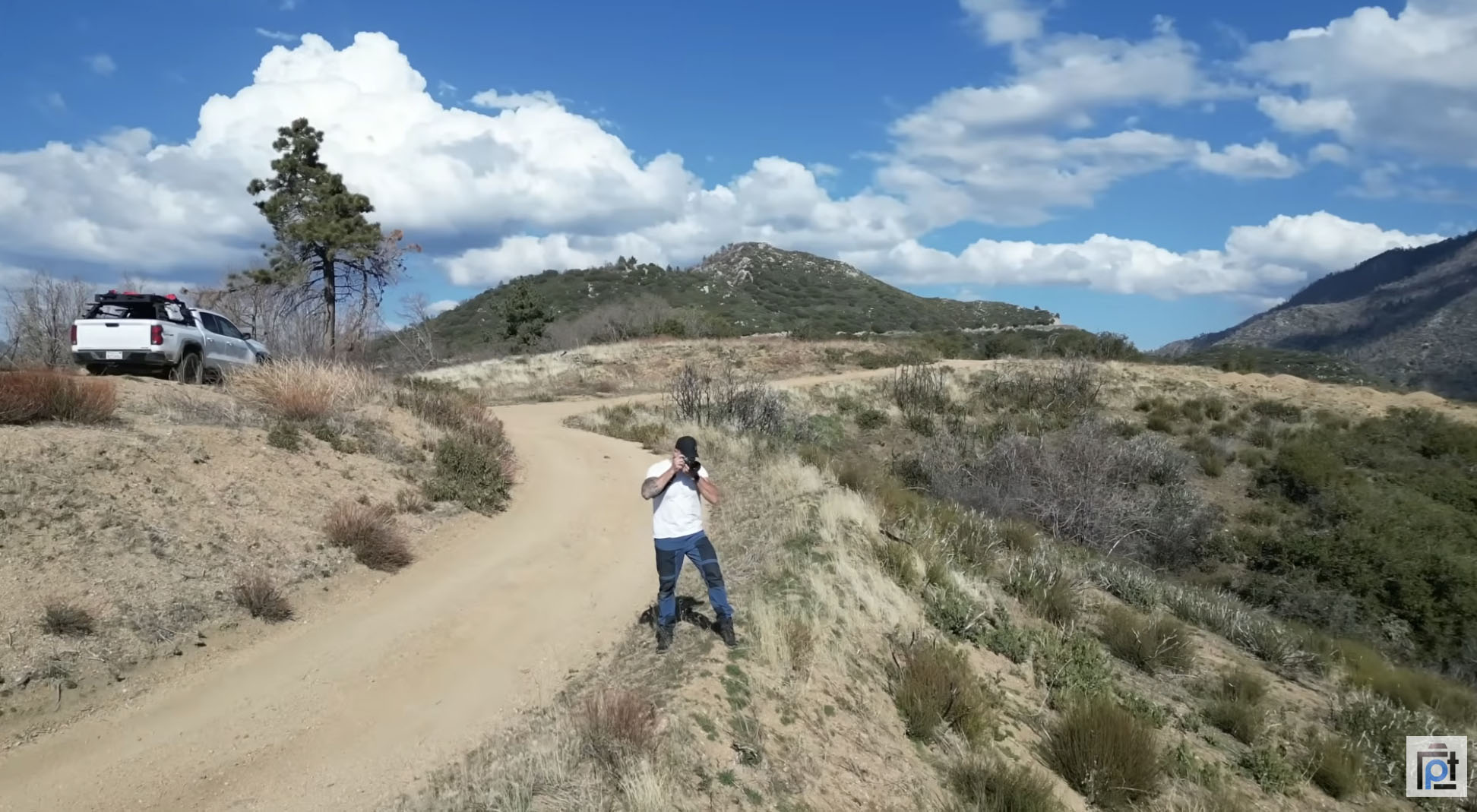
A better carry system addresses how to carry camera for better photos by attacking all four problems: swing, retrieval speed, fatigue, and stabilization baseline. The LemurStrap addresses all of them through its core design choices. Its patented camlock holds the camera stable at your side during movement. One motion releases it. From there, the camera rises from a consistent position. The load spreads across the torso rather than the cervical spine, keeping the upper body fresher across a long day.
The ARCA-Swiss-compatible baseplate adds another dimension that matters to working photographers: fast transitions between handheld and tripod work without a separate plate swap. For photographers who use tripods for part of a shoot and handheld for the rest, the friction of swapping plates between setups is real. It slows the transition and, more importantly, introduces a moment of fumbling during which shots are missed. The baseplate removes that friction entirely. Read the full Lemur Strap review for a real-world look at how the system holds up across extended shooting days. The PhotographyTalk roundup of the best camera straps of 2026 named the LemurStrap the top pick across five tested options.
How Camera Carry Affecting Images Plays Out: LemurStrap vs. Standard Neck Strap
The image quality argument for the LemurStrap over a standard neck strap rests on all four variables above. A neck strap allows swing, creating motion at the start of every retrieval sequence. It concentrates weight on the neck, building fatigue that affects late-day creative decisions. Its retrieval path is less consistent than a side-carry, which means stabilization baseline varies from shot to shot. For photographers who use tripods, the standard strap doesn’t integrate with their tripod system at all. It’s a separate layer of friction on every setup change.
The LemurStrap addresses each of these directly. Its camlock eliminates transit swing. Side carry puts the camera in a consistent starting position for every raise-to-eye motion. Torso-distributed load keeps the neck and shoulder muscles managing less stress across a long day. An ARCA-Swiss baseplate turns tripod transitions from a multi-step process into a single connection. For photographers evaluating the case for a carry upgrade, this is the argument: the carry system shapes the conditions of every shot you take. Improving those conditions improves the images, independent of the camera or lens involved.
The LemurStrap adjusts from 45 to 55 inches in the regular size, with a long version reaching 62 inches. It’s load-tested to 50 pounds, comes in black and bronze, and ships with a 30-day money-back guarantee. It’s priced at $119.95 for the complete kit. For event photographers specifically, the PhotographyTalk guide on event photography workflow covers how carry system choices affect a full shooting day in high-pressure contexts.
Save on LemurStrap
Better Carry. Better Images. Same Camera.
No swing. Fast draw. Consistent position. The LemurStrap changes the conditions of every shot without changing anything in your bag.
Pros and Cons
Pros
- Camlock eliminates camera swing during transit, reducing first-frame motion
- Side-carry position creates consistent camera starting point for every shot
- Torso-distributed load reduces neck fatigue that affects late-day creative decisions
- ARCA-Swiss baseplate enables fast handheld-to-tripod transitions without plate swaps
- Load-tested to 50 lbs; handles full professional kit
- Adjusts 45-55 inches (regular) or 45-62 inches (long)
- 30-day money-back guarantee; 90-day manufacturing defect warranty
Cons
- $119.95 is higher than basic neck strap options
- Designed for left-shoulder wear; no right-shoulder version yet
- ARCA baseplate not universally compatible across all ARCA-Swiss systems
- Baseplate adds profile to the camera body bottom
- Image quality benefits are indirect; other variables (lens, technique) still dominate
Final Verdict
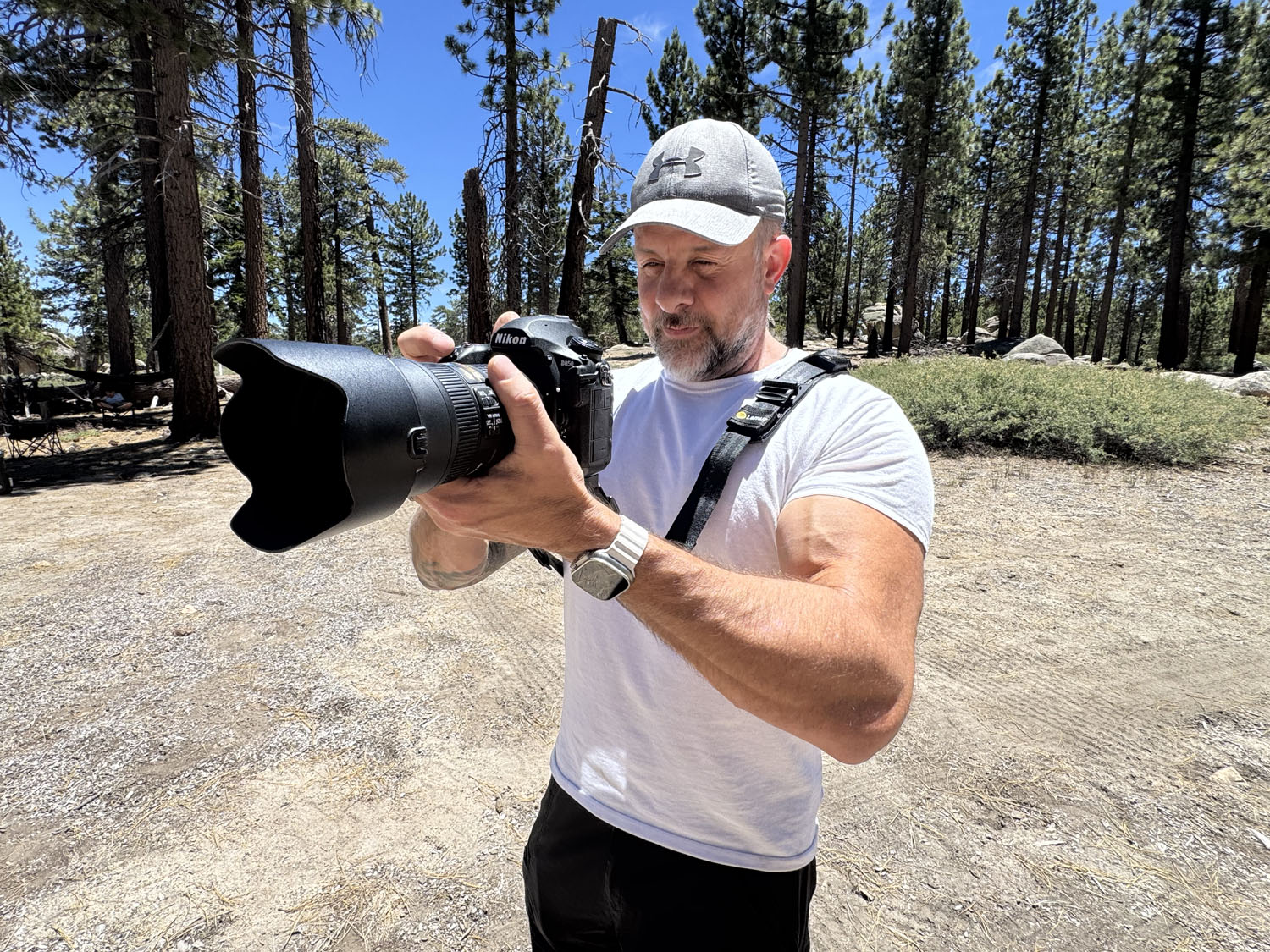
The case for thinking about camera carry affecting images isn’t that your strap is the most important thing in your bag. It isn’t. Lens quality, light, and technique will always matter more. The case is that your carry system sets the conditions under which those things operate. A carry system that introduces swing, slows retrieval, builds fatigue, and makes tripod transitions awkward is quietly degrading every shoot. Most photographers don’t notice it because the effects are distributed and gradual, not sudden and obvious.
The LemurStrap makes the most direct improvement for photographers who carry a camera for two or more hours at a stretch. Moving frequently between shooting and walking, or working where moments don’t repeat, amplifies those gains. Street photographers, event photographers, wildlife photographers, and travel photographers all fit that profile. Photographers who shoot primarily from a fixed position with the camera on a tripod will see fewer of these benefits. The strap is less of a variable in that workflow.
At $119.95 with a 30-day return policy, the cost of trying it is low relative to the years of shooting it affects. The image quality gains aren’t measured in megapixels. They’re measured in first frames that aren’t blurry, moments that aren’t missed, and late-day images that reflect your best eye rather than a tired body.
Ready to Buy?
Check Today’s Price on LemurStrap
Ships direct with a 30-day money-back guarantee. Available in black and bronze. Try it risk-free across a few shoots.
Frequently Asked Questions
Does the Way You Carry Your Camera Affect Image Quality?
Camera carry affecting images is a real phenomenon, though the effects are indirect. A carry system that allows camera swing introduces motion before retrieval, increasing the chance of blur in the first frame. Neck and shoulder fatigue from a heavy neck strap affects late-day creative decisions, leading to weaker composition and less time working a scene. Slow retrieval means missed moments rather than captured ones. None of these effects show up in your gear’s specs, but all of them show up in your files.
How does camera swing from a strap affect photo sharpness?
When a camera swings on a neck strap during walking, it carries momentum into the retrieval. Raising the camera within half a second of a swing means the body is still in motion when you fire the first frame. This shows up as camera shake even with IBIS enabled, because IBIS compensates during the exposure, not before it. A side-carry system with a camlock, like the LemurStrap, eliminates swing during transit. The camera starts from a stable position every time, which removes this source of camera strap image quality degradation.
What’s the fastest-drawing camera strap for street photography?
Side-carry sling straps with a release mechanism consistently outperform neck straps on retrieval speed for street work. The camera rests at hip level in a position already oriented toward shooting. One motion raises it to the eye. The LemurStrap’s camlock releases smoothly, bringing the camera up from a stable side position to shooting position in under a second with practice. For a detailed style-by-style breakdown, the PhotographyTalk roundup of the best camera straps of 2026 covers retrieval speed as part of its ranking criteria.
Will a Better Camera Strap Improve My Photography Without Changing Lenses or Bodies?
A better carry system improves the conditions under which you use your existing lenses and body. It won’t change your sensor resolution or autofocus performance. It reduces the variables that work against you: swing-induced motion, slow retrieval, and fatigue that erodes creative attention across a long shoot. That’s the practical answer to how to carry camera for better photos without buying new gear. For photographers who carry a camera for extended periods, those improvements translate directly into more keepers and more creative consistency from start to finish. Camera stability photography gets better when the platform you’re shooting from is stable before and during the shot.
Is the LemurStrap worth it for casual photographers?
The LemurStrap earns its price most clearly for photographers who carry a camera for two or more hours at a stretch. Casual photographers who shoot briefly from fixed positions will see fewer of these benefits. If you’ve been missing moments, fighting a swinging camera, or noticing weaker late-day images, the carry system is worth examining. The 30-day return policy means the risk of trying it is low.
Friendly disclaimer: Our articles may contain affiliate links that support us without costing you more, and sometimes we spice things up with sponsored content—but only for products we truly stand behind!

