


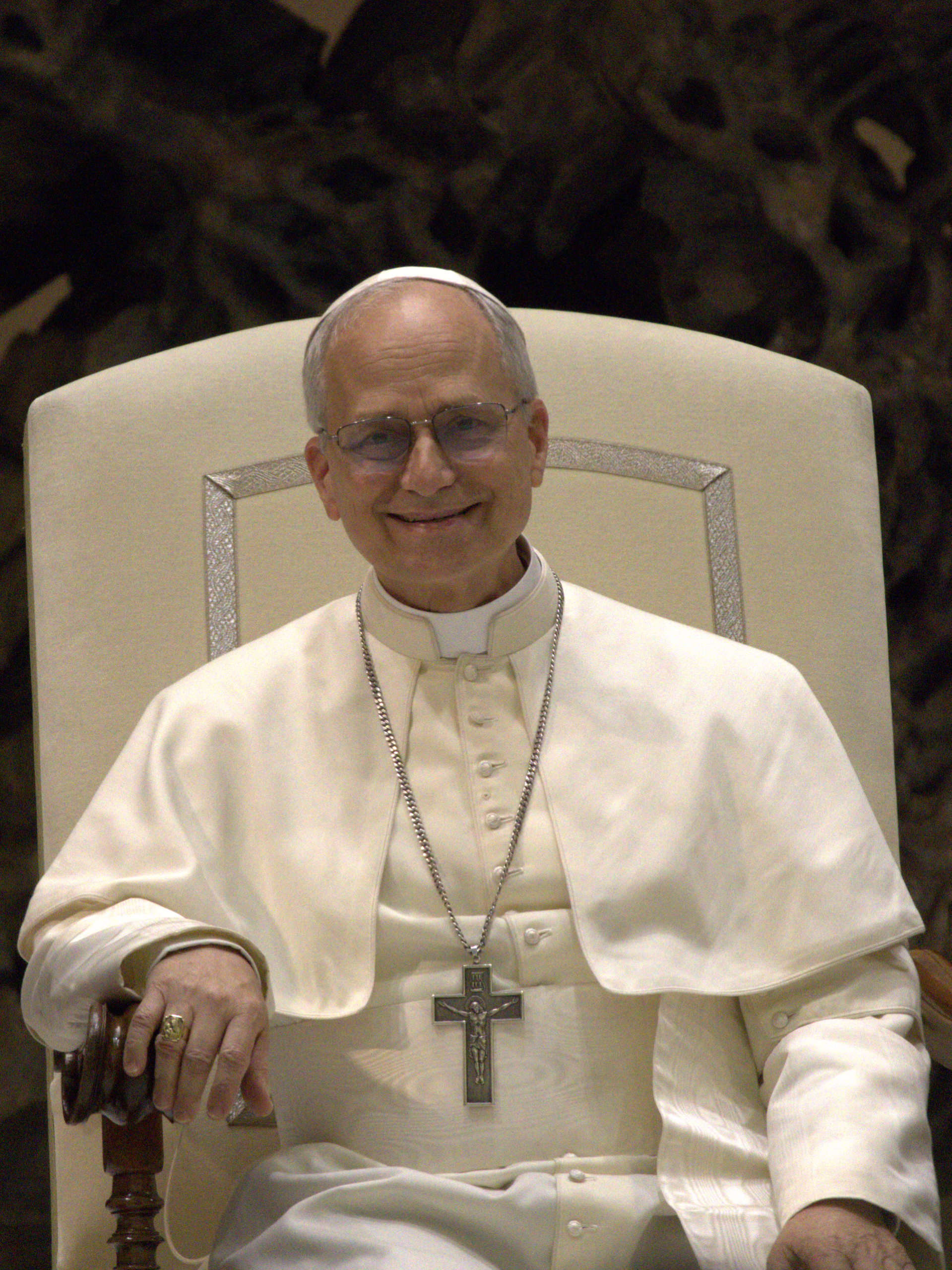
Quick Verdict: The Pope Leo AI images warning lands inside his first encyclical, Magnifica Humanitas, released on May 25, 2026. Across roughly 42,300 words, Leo XIV frames generative image tools as a powerful amplifier of disinformation, calls for international AI regulation, and singles out deepfake harm to minors. For photographers, the document signals a sharp turn toward provenance, disclosure, and verified authorship.
Last updated: May 2026 | 6 min read
In This Article
- Overview: Why the Pope Leo AI Images Warning Matters
- Quick Facts About Magnifica Humanitas
- What the Encyclical Says About AI Images
- Why the Vatican Singled Out Photography and Video
- The Push for International AI Regulation
- What This Means for Working Photographers
- Final Thoughts
- Frequently Asked Questions
Overview: Why the Pope Leo AI Images Warning Matters
Pope Leo XIV released his first encyclical this week, and the Pope Leo AI images warning inside it has photographers paying attention. Titled Magnifica Humanitas, the 42,300-word document names artificial intelligence as one of the defining moral problems of the era. It also points squarely at generative image tools as a force pushing falsehoods deeper into public life. The Pope Leo AI images framing matters because photography itself sits at the center of the disinformation problem he describes.
Leo XIV is the first U.S.-born pope. His document is the highest form of teaching a pontiff issues, which puts AI image manipulation on the same shelf as classic encyclicals on labor, family, and war. For photographers, the framing is unusually direct. Leo calls AI image manipulation a “powerful amplifier” of disinformation, then ties the harm to children, public trust, and the speed of social media.
The encyclical also makes a policy ask. Leo urges states and international bodies to regulate AI more strictly, and he uses the phrase “disarm AI” in reference to its military and economic uses. Co-presented alongside an Anthropic co-founder, the rollout suggests a calculated outreach to the industry, not a blanket condemnation.
Quick Facts About Magnifica Humanitas
| Detail | Value |
|---|---|
| Document title | Magnifica Humanitas (“Magnificent Humanity”) |
| Author | Pope Leo XIV |
| Signed | May 15, 2026 |
| Released | May 25, 2026 |
| Length | Roughly 42,300 words, five chapters |
| Co-presented with | Anthropic co-founder |
| Central AI warning | AI image and video tools amplify disinformation |
| Specific harms named | Child safety, grooming, deepfake exploitation, public trust erosion |
| Policy ask | Stricter state and international regulation of AI |
What the Encyclical Says About AI Images
Disinformation predates AI, Leo writes, but generative image models have now supercharged it. His exact phrase identifies AI as a “powerful amplifier” of false narratives. He then sharpens the point. According to Leo, the ability to manipulate content, images, and videos exposes people to biased or misleading perspectives.
He frames this as both a cultural and a moral problem, because the quality of public communication rests on shared trust. As trust erodes, so does the foundation of democratic life. Leo signed the document on May 15, the 135th anniversary of Pope Leo XIII’s Rerum Novarum, the famous encyclical on the industrial revolution. The parallel is deliberate. Leo XIV sees AI as a comparable upheaval, with consequences for labor, family, and information.
In another passage, Leo writes about life inside endless flows of opinions and images. He argues sophisticated algorithms shape decisions and preferences far more than most users realize. Therefore, he urges readers to cultivate a love for the truth and to pursue wisdom rather than immediate emotional payoff.
Why the Vatican Singled Out Photography and Video
Photography sits at the heart of the disinformation crisis for one practical reason. People still trust photographs in a way they no longer trust text alone. As a result, a fabricated quote rarely lands the same impact as a fabricated photograph.
Leo addresses this directly. He flags online grooming, blackmail, and the sexual exploitation of minors as specific harms enabled by AI image manipulation. Additionally, he warns parents about unsupervised mobile device use by young children, noting how quickly AI tools turn casual photos into weapons. For instance, schools across Europe and the United States have already documented deepfake incidents involving classmates.
Leo pairs the warning with a recent flashpoint. Earlier this month, Italian Prime Minister Giorgia Meloni published an AI-generated photo of herself, undressed, created by a political rival. Meloni shared the deepfake herself, as a public warning. The Vatican sits a short drive from her office, and the proximity of the scandal to the encyclical’s release feels intentional.
The Pope Leo AI Images Push for Regulation
Leo’s encyclical does something papal documents rarely do. It names a policy direction. The text urges nation-states and international bodies to regulate AI more aggressively. It calls for stricter oversight of AI companies, and it uses the phrase “disarm AI” in reference to military and economic applications of the technology.
Meanwhile, the Vatican coordinated the rollout with the industry itself. Leo presented the document alongside an Anthropic co-founder, a notable choice given Anthropic’s positioning as a safety-first AI lab. The optics suggest Leo wants the encyclical read as a serious engagement with the technology, not a reflexive rejection of it.
The document spans five chapters and treats technology as neither a hostile force nor an inherently good one. Instead, Leo’s phrasing makes clear he sees AI as a moral test of the people building and deploying it. As a result, the responsibility lands on developers, regulators, and users in roughly equal measure.
What This Means for Working Photographers
The encyclical itself is theological, not technical. However, the practical pressure points are already shifting around the industry. Photo contests, news desks, stock libraries, and platforms have started moving. For working photographers, three habits protect your reputation and your work.
First, capture original RAW files and keep them. C2PA Content Credentials now embed authenticity signals into your files at the point of capture, and several Sony and Leica bodies write these signals automatically. If your work involves attribution disputes, the metadata trail protects you. PhotographyTalk’s guide to AI watermarks and provenance signals walks through how these systems work in practice.
Second, label your AI work. If part of your output uses AI for sky replacement, retouching, or stylization, say so up front. Clients and contest judges have grown sharp on this. Quiet omissions destroy reputations, while clear disclosure builds them. Tokina, for example, disqualified the winner of a recent monthly photo contest after judges detected an invisible SynthID watermark inside the submitted image.
Third, support provenance tooling on the platforms where your work lives. Reddit’s moderators, X’s Community Notes contributors, and several news outlets now flag suspicious images at scale. Likewise, the more photographers who adopt C2PA and similar standards, the more reliable the entire ecosystem becomes. For ongoing coverage, our photography news feed tracks every major shift in the AI image landscape.
Final Thoughts
Pope Francis warned about AI back in 2023 in much lighter language. By contrast, Leo’s encyclical lands harder. The Pope Leo AI images warning uses the highest form of papal teaching to name image manipulation as a direct threat to public truth and to children. Beyond that, the document pushes for binding regulation. It also tells readers their daily choices matter, including which images they trust, share, or create.
For photographers who care about credibility, the document is worth reading. Not because the pope is the right authority on imaging technology, but because Magnifica Humanitas is the clearest signal yet that the world’s largest institutional voices have decided the AI image problem is real, urgent, and human in scope.
Your defense, if you work in news, weddings, sports, or any setting where authenticity matters, runs through trust. People believe photographs from accountable photographers and credible publishers. Therefore, every habit strengthening the chain of accountability, from RAW capture to C2PA credentials to honest AI disclosure, protects your work and your audience at the same time. Read the full text of the encyclical on the Vatican website.
Frequently Asked Questions
What is the title of Pope Leo XIV’s first encyclical?
The document is titled Magnifica Humanitas, Latin for “Magnificent Humanity.” Leo signed it on May 15, 2026, on the 135th anniversary of Pope Leo XIII’s Rerum Novarum. The Vatican released the text publicly on May 25, 2026.
How long is the encyclical, and what is its structure?
The text runs roughly 42,300 words across five chapters. It is one of the longer encyclicals of the past century. Pope Leo XIV organizes the chapters around the human person, work, war, communication, and global governance.
Did Pope Leo call for AI regulation?
Yes. The document urges nation-states and international bodies to regulate AI companies more strictly. Additionally, it uses the phrase “disarm AI” in reference to military and economic applications. The policy ask is unusual for an encyclical, which typically stays at the level of principle.
Why did an Anthropic co-founder appear at the rollout?
Leo XIV presented the encyclical alongside an Anthropic co-founder. Anthropic positions itself as an AI safety lab, and the joint appearance signaled the Vatican’s intent to engage the industry rather than ignore it. The optics matter, especially given Leo’s call for international oversight.
How does the Pope Leo AI images warning affect photographers?
The encyclical does not set rules for photographers directly. Instead, it signals a wider cultural shift toward provenance, AI disclosure, and skepticism of unattributed images. Capturing RAW, embedding C2PA credentials, and labeling AI work are practical habits aligning with the document’s direction.
Where do readers find the full text of Magnifica Humanitas?
The Vatican posted the complete encyclical in multiple languages on its official website on May 25, 2026. The English version sits on vatican.va under the Leo XIV encyclicals section, and several major outlets have published full-text mirrors as well.
Sources: Vatican: Magnifica Humanitas (full text), Vatican News coverage of the encyclical.

