


Quick Facts:
- Topic: Where used DSLR cameras stand in the 2026 market
- New DSLR shipments (2025): 690,911 units worldwide
- Year-over-year change: Down 31% in units
- DSLR share of camera shipments: 7.3%
- Used gear recirculated by MPB (FY2025): 615,000 cameras, lenses and accessories
- Main driver: Photographers moving to mirrorless and selling their DSLRs
- Typical used full-frame price: $219 to $754 by model and condition
- Best for: Buyers weighing a used DSLR against a new mirrorless body
7 min read
In This Article
Used DSLR Cameras: A Camera Market Splitting in Two
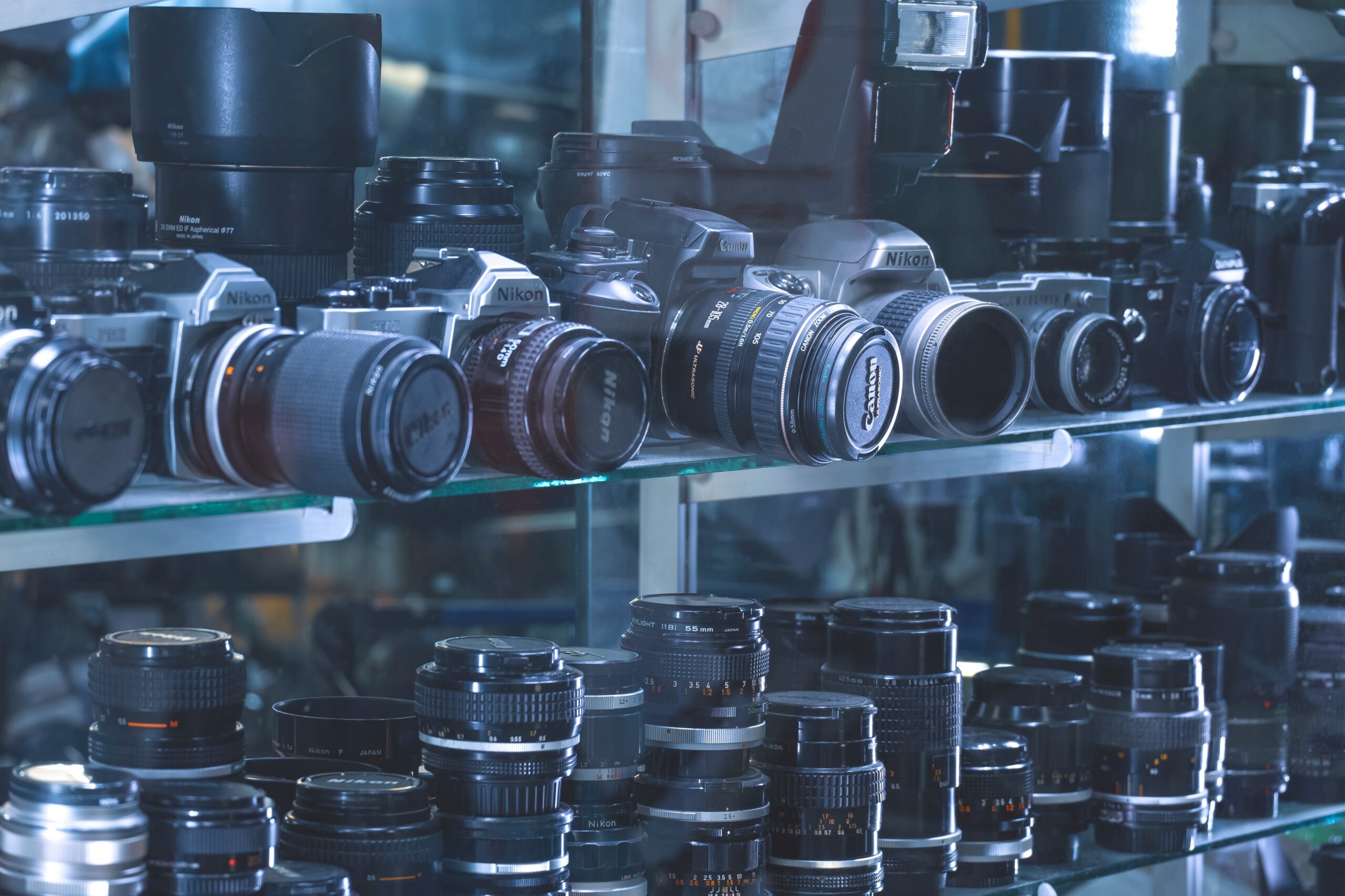
The camera market is moving in two directions at once. New DSLR shipments keep sliding toward zero, while used DSLR cameras are selling briskly across the secondhand camera market. Photographers who once paid full retail for a digital SLR now buy the same bodies for a fraction of the original price. For many buyers, a used DSLR delivers professional-grade results without a professional-grade invoice.
Two sets of numbers explain the split. First, CIPA, the trade body for camera makers, recorded 690,911 DSLR shipments worldwide in 2025. The figure marks a 31% drop in a single year. Second, used-gear retailer MPB recirculated 615,000 cameras, lenses and accessories in its 2025 fiscal year, up 9% on the year before. New demand is shrinking. Secondhand demand keeps climbing.
This article looks at the data behind the shift and what it means for you as a buyer. We keep the view neutral. A used DSLR suits some photographers well, while a new mirrorless body fits others better. Below, you will find the 2025 shipment figures, the reasons the used DSLR market is thriving, two popular models, and a checklist for buying with confidence.
The trend also raises a fair question for anyone weighing a purchase today. Plenty of readers still ask whether a DSLR is still worth buying when mirrorless dominates new sales. The honest answer turns on budget, the lenses you already own, and your need for newer autofocus and video. A used DSLR wins on the first two, while mirrorless leads on the last.
By the Numbers: New DSLR Sales in 2025
The decline in new DSLR sales is steady, not sudden. CIPA’s full-year 2025 figures show six straight years of falling DSLR shipments. In 2025, DSLRs accounted for 7.3% of all camera units shipped worldwide. Mirrorless bodies, by contrast, rose 12% in units over the same year. The table below pulls the headline numbers together.
| Metric | 2025 Figure |
|---|---|
| New DSLR units shipped worldwide | 690,911 |
| Year-over-year change, DSLR units | Down 31% |
| Year-over-year change, DSLR shipped value | Down 36% |
| DSLR share of total camera shipments | 7.3% |
| Consecutive years of DSLR decline | Six |
| Year-over-year change, mirrorless units | Up 12% |
| Used gear MPB recirculated (FY2025) | 615,000 items |
| MPB recirculation growth vs. prior year | Up 9% |
One number deserves a second look. While 690,911 sounds small next to mirrorless, it still represents hundreds of thousands of working cameras entering the world each year. Many of those bodies reach the used market within a few years of purchase. As trade-ins pile up, supply grows and prices ease for buyers.
Shop Used Gear at MPB
Browse Used DSLR Cameras
MPB inspects every body, grades its condition, and backs each sale with a six-month warranty and free shipping.
Why the Used DSLR Market Is Thriving
Several forces push the used DSLR market forward. Supply leads the list. First, as photographers move to mirrorless systems, they sell or trade their DSLR bodies, which floods retailers with inventory. MPB alone recirculated 615,000 items in its 2025 fiscal year, a 9% rise on the prior period.
Price comes next. A used full-frame DSLR often sells well below its launch price. On MPB, capable full-frame bodies recently listed from $219. A photographer on a budget puts the savings toward lenses, lighting, or travel. Many shooters also point to value retention, since a well-kept DSLR holds its resale price reasonably well.
Performance matters too. A 2012 or 2014 full-frame DSLR still produces sharp, clean files for prints, client work, and online use. Sensor technology improved since then, yet the gap matters less for most everyday photography. PhotographyTalk has covered why buying used cameras is the smarter choice for many shooters, and the supply surge only strengthens the case.
Sustainability adds a quieter reason. Moreover, buying used keeps a working camera in service instead of in a drawer or a landfill. MPB frames this as a circular economy for photography gear. For environmentally minded buyers, the secondhand camera market lines up with how they want to spend.
Two Used DSLR Cameras Buyers Are Choosing
Plenty of used DSLR cameras sell well in 2026, yet two full-frame models stand out for value and availability. Both come from the era when DSLRs ruled professional work. Each one now sells used for a fraction of its original price.
Nikon D750
Nikon released the D750 in 2014 as a compact full-frame body for enthusiasts and working pros. It pairs a 24.3-megapixel FX sensor with a 51-point autofocus system and 6.5 fps shooting. A tilting screen and built-in Wi-Fi were forward-looking features for its time. On MPB, around 50 used D750 bodies recently listed between $299 and $754, depending on condition. PhotographyTalk has also reported on the used Nikon D750 topping sales charts in Japan. The trend shows how strong demand stays for this body.
Canon EOS 5D Mark III
Canon launched the EOS 5D Mark III in 2012, and it became a workhorse for weddings and events. The body carries a 22.3-megapixel full-frame sensor, a 61-point autofocus system, dual card slots, and weather sealing. Burst shooting runs up to 6 fps. On MPB, around 35 used 5D Mark III bodies recently listed from $219 to $504. Listed shutter counts ranged widely, with several bodies above 100,000 actuations, and MPB still covers each one under its standard warranty.
Choosing between the two often comes down to lenses. A photographer with Nikon glass leans toward the D750, while a Canon shooter saves money by staying on the EF mount. Both bodies deliver professional results, so the existing lens collection usually settles the decision.
Compare Used Prices at MPB
See What Used DSLRs Cost Today
Used full-frame DSLR bodies recently ranged from $219 to $754 on MPB, sorted by condition grade so you see the trade-off before you buy.
What to Check Before You Buy a Used DSLR
Buying a used DSLR rewards a careful shopper. Before you pay, run through a short checklist, the same way our guide on what to check when buying a used camera recommends. Shutter count sits at the top of the list.
Every DSLR shutter carries a rated life. Canon rated the 5D Mark III shutter near 150,000 cycles, and Nikon gave the D750 a similar rating. Many shutters outlast the rating by a wide margin, as MPB listings with high counts show. Still, a lower count leaves more headroom, so weigh it against the asking price.
Condition grading comes next. MPB sorts every body into clear tiers: like new, excellent, good, well used, and heavily used. A “good” body shows visible wear yet performs fully. Reading the grade and the photos together gives you a fair picture before checkout.
Warranty and seller trust round out the checklist. MPB inspects each item and includes a six-month warranty plus free shipping on used gear. Private-marketplace listings rarely offer either protection. Our guide on avoiding scams when buying used gear walks through the warning signs, so read it before sending money to a stranger.
Final Thoughts
The camera market in 2026 tells a clear story. New DSLR shipments are fading, and the data leaves little doubt about the direction. At the same time, the used DSLR market is thriving on the supply those changes create.
For you as a buyer, the trend brings opportunity. Prices on capable full-frame bodies sit low, inventory runs deep, and trusted retailers stand behind the gear. A used DSLR makes strong sense for budget-conscious photographers, students, and anyone building a kit around existing lenses.
Still, a used DSLR is not the right pick for everyone. Photographers who need the latest autofocus, in-body stabilization, or 4K and 8K video should look at mirrorless instead. The choice depends on your work, not on a trend line.
Weigh your needs first, then your budget. If a used DSLR fits both, the current secondhand camera market gives you room to buy well. When newer features matter more, a used mirrorless body offers a middle path worth a look.
Frequently Asked Questions
Are used DSLR cameras still worth buying in 2026?
Yes, for many photographers. Used DSLR cameras deliver full-frame image quality at a fraction of new prices. As long as the body works and the shutter count is reasonable, a used DSLR handles portraits, events, and landscapes well.
Why are new DSLR sales falling?
New DSLR shipments keep dropping because camera makers shifted their focus to mirrorless systems. Canon and Nikon now release most new lenses and bodies for mirrorless mounts. CIPA data shows DSLR shipments down 31% in 2025 alone.
How many shutter actuations are too many on a used DSLR?
It depends on the model and the rating. Many full-frame DSLRs carry a shutter rated near 150,000 cycles, and plenty run well beyond it. A count under 50,000 leaves generous headroom, while a higher count should bring a lower price.
Is a used DSLR better value than a new mirrorless camera?
Often, yes, on price alone. A used full-frame DSLR costs far less than a comparable new mirrorless body. Mirrorless wins on autofocus, video, and stabilization, so the better value depends on which features your work needs.
Where is the safest place to buy a used DSLR?
A specialist used-gear retailer offers the most protection. MPB inspects and grades every camera, and backs each sale with warranty coverage. Private marketplaces rarely match those safeguards, so factor in the risk before buying a used DSLR from a stranger.
Will used DSLR cameras keep working after Canon and Nikon stop making them?
Yes. A DSLR does not need new models to keep shooting. Lenses, batteries, and repair parts remain available across the secondhand camera market, and EF and F-mount glass will serve these cameras for years.
Disclosure: PhotographyTalk takes part in affiliate programs, including with MPB. When you buy gear through the MPB links in this article, PhotographyTalk earns a small commission at no extra cost to you. The commission helps fund our reporting. Our coverage, data, and camera picks stay independent of any affiliate relationship.
Sources: Camera & Imaging Products Association (CIPA), full-year 2025 shipment data; MPB Group 2025 fiscal-year results and current MPB product listings.

