


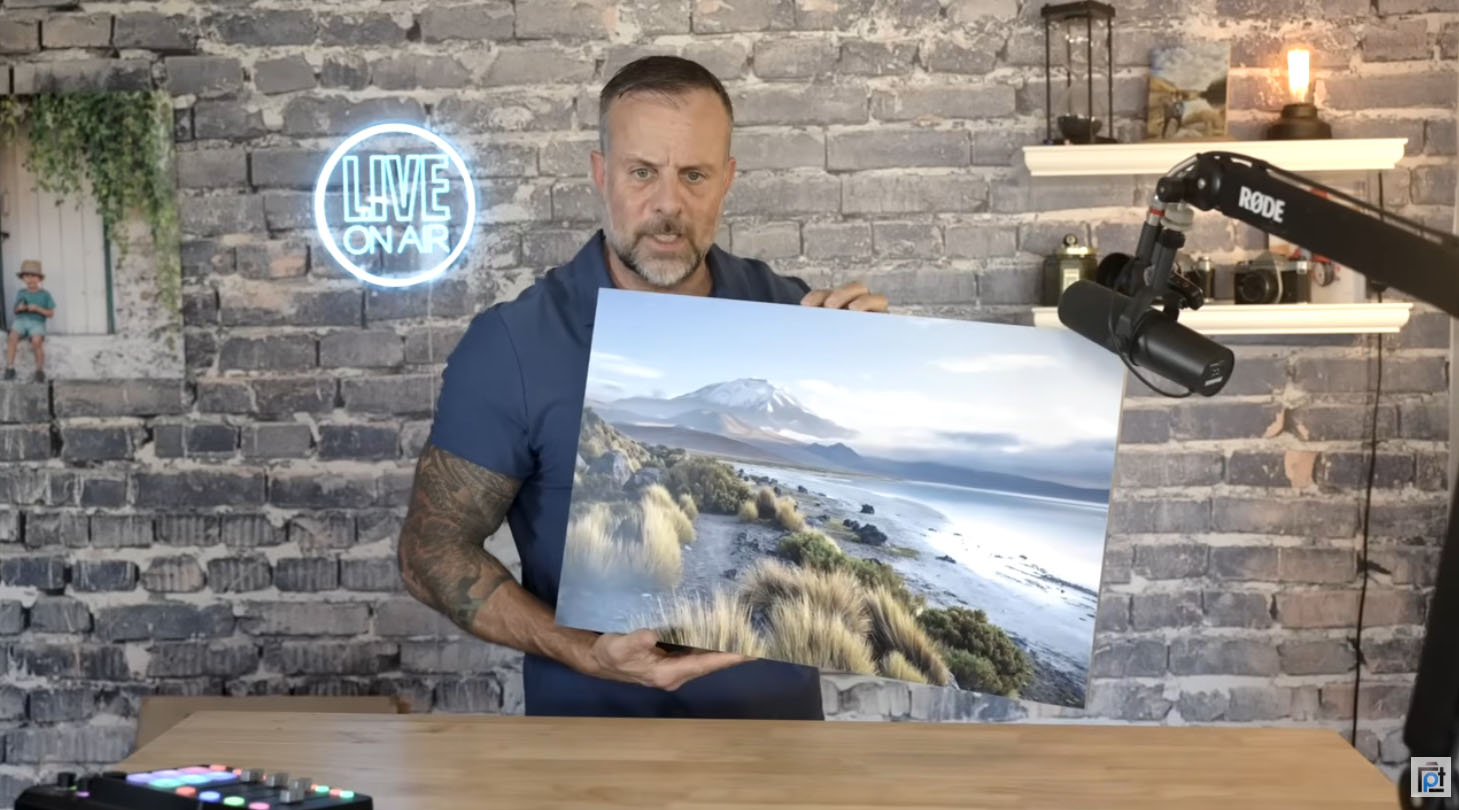
I picked up my first camera in the early 1990s and haven’t put one down since. In the decades since, I’ve printed images across nearly every surface you’ll find on the market today. Metal, canvas, acrylic, fine art paper, dye-transfer, chromogenic darkroom prints , I’ve held all of them, hung them, sold them, and critiqued them under every kind of light. Something arriving damaged gets noticed immediately. When a finish undersells the image, I notice it too. After more than thirty years in the photography industry and six years of hands-on print reviews at PhotographyTalk, I have a clear picture of this. I know what separates a great print from a forgettable one.
This guide exists because printing decisions matter more than most photographers realize. Most of the advice out there gets it wrong. A photography print medium comparison article needs to go deeper than generic charts. High-contrast cityscapes behave completely differently on gloss metal than on satin. Portrait subjects printed on ultra-gloss acrylic often look clinical in a way the photographer never intended, and those charts won’t warn you. I’ll walk you through how to choose the right print medium for your photography. The framework is the same one I use when evaluating every print coming through my door.
Quick Facts:
- Topic: How to choose the right print medium for photography
- Mediums covered: Metal, canvas, acrylic, fine art paper
- Skill level: Beginner to intermediate
- Key variables: Subject type, room lighting, display environment, budget
- Top pick for metal prints: Vivid Metal Prints (ChromaLuxe substrate, 5 finish options)
- Best for high-contrast images: Metal (dye sublimation on aluminum)
- Best for portraits and warm spaces: Canvas
- Best for gallery statement pieces: Acrylic
- Best for: Photographers choosing a print surface for the first time or building a print product lineup
8 min read
In This Article
- Why Print Medium Choice Matters More Than You Think
- How Light and Surface Interact
- Metal Prints: Best for High-Contrast and Bold Color
- Canvas Prints: Best for Warmth and Traditional Spaces
- Acrylic Prints: Best for Gallery-Level Statement Pieces
- Fine Art Paper: Best for Collectors and Portfolio Prints
- How to Choose Print Medium: A Matching Framework
- Photo Print Finish Types Explained
- Final Recommendation: Choosing the Right Print Medium
- Frequently Asked Questions
Why Print Medium Choice Matters More Than You Think
When photographers search for how to choose print medium for photography, the first question is usually about price. Price matters, but it’s the wrong first variable. Medium selection determines how your image interacts with light and how it reads across a room. It also determines whether the print feels like a window into the scene or a flat reproduction. The same file printed on glossy metal and matte canvas delivers two entirely different emotional experiences for the viewer.
After testing hundreds of prints across six years, I’ve developed a framework based on four variables: subject type, room lighting, display environment, and budget. Every medium has a specific context where it outperforms the others. Mismatching medium to context doesn’t produce a bad print; it produces a print working against the image instead of for it. Understanding the difference is what separates photographers who sell prints from those who never figure out why their work isn’t moving.
Specifically, the most common mistake I see is choosing a medium based on what looks impressive in a stock photo. Glossy acrylic looks incredible in a studio shoot with controlled lighting. In a living room with overhead recessed lights, the same print becomes a mirror. Before committing to any medium, you need to know where the print will live and what light source it will face.
How Light and Surface Interact

Every print medium handles light differently, and this single factor drives most of the quality differences between mediums. A smooth, reflective surface like gloss metal or high-gloss acrylic bounces light back toward the viewer, producing vivid, punchy color and high apparent contrast. However, this same reflectivity creates glare in rooms with windows, overhead lighting, or multiple light sources.
In contrast, matte and satin surfaces absorb and diffuse light rather than reflecting it. Colors appear softer and slightly less saturated, but the image remains readable from any angle without glare. Canvas sits at the extreme end of diffusion: the woven texture scatters light in all directions, producing a warm, painterly quality with no reflectivity at all.
For this reason, room lighting is the first thing I assess before recommending a medium to any photographer. A south-facing room with large windows benefits from a satin or matte surface. Conversely, a dim interior hallway with a single directional light source is where gloss metal or acrylic produces its most dramatic results. Choosing a finish without accounting for light is the single most predictable source of disappointment in a print order.
Buy Direct From Vivid Metal Prints
Five Finish Options on ChromaLuxe Aluminum
Vivid Metal Prints offers white and clear base options in gloss, semi-gloss, and satin finishes. All prints use ChromaLuxe dye-sublimation aluminum and ship with mounting hardware and a microfiber cloth included.
Metal Prints: Best for High-Contrast and Bold Color
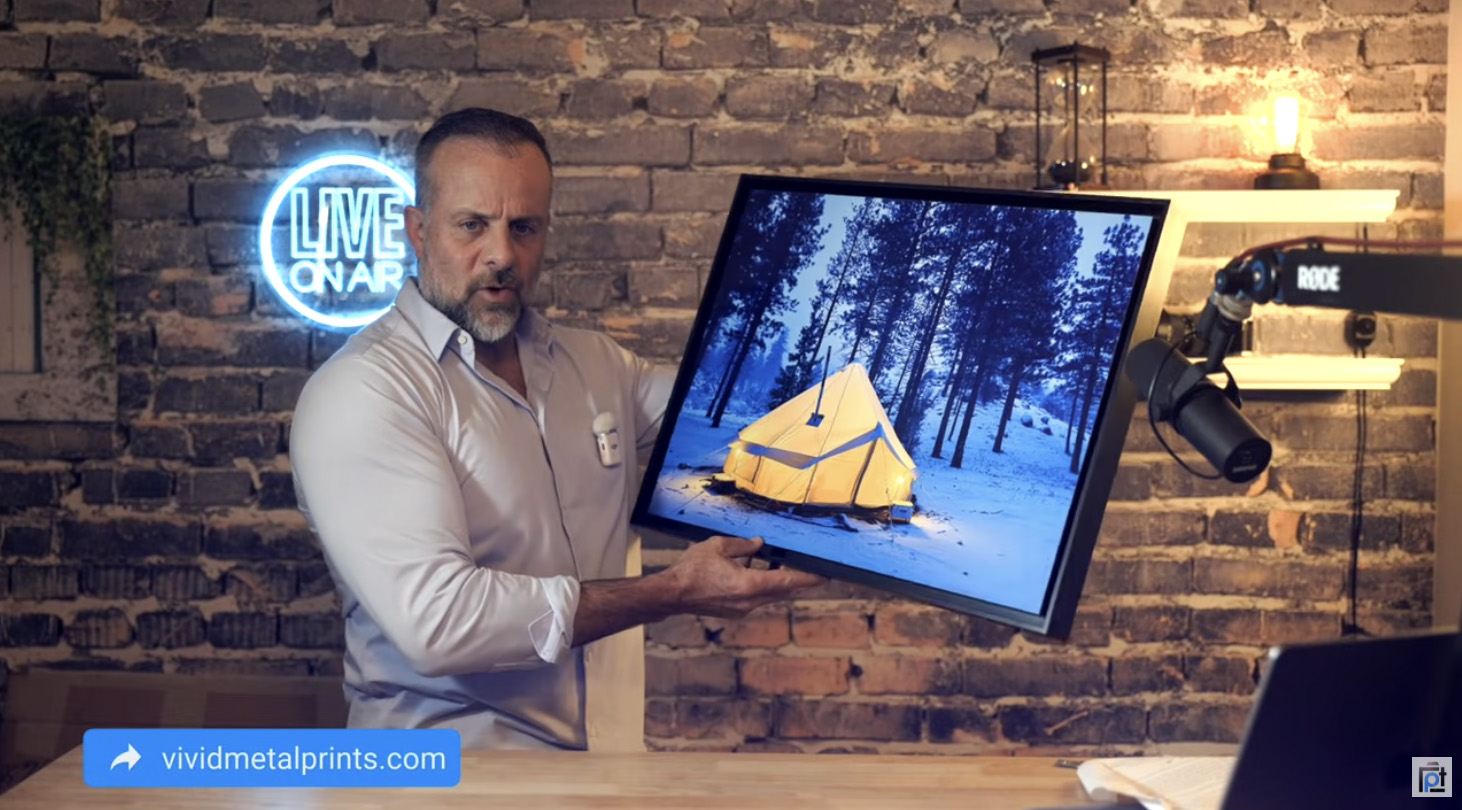
Metal prints use a process called dye sublimation. In this process, dyes infuse directly into a coated aluminum panel under heat and pressure. Because the dye bonds with the aluminum itself, the image gains depth and saturation unavailable from ink sitting on top of a surface. ChromaLuxe aluminum, the industry-standard substrate used by premium labs including Vivid Metal Prints, carries a 65-year indoor permanence rating based on Wilhelm Imaging Research testing.
Metal prints perform best with high-contrast images. Landscapes with dramatic sky-to-shadow range, cityscapes, night photography, and images with strong color separation all excel on metal. The aluminum base reflects ambient light into the image, producing a luminous, almost glowing quality. For these subjects, metal is the most effective medium at its price tier. Landscape photographers selling to commercial clients or interior designers consistently find metal their strongest product.
White Base vs. Clear Base Metal Prints
One variable specific to metal prints is the base treatment. White base prints have a white coating beneath the image, keeping all tones accurate and whites clean, similar to printing on photo paper. Clear base prints let the brushed aluminum show through wherever light tones appear in the image. This creates a metallic, industrial look suited to architecture, machinery, and high-contrast scenes. White base is the safer starting point for most subjects. Clear base is a specialty choice for photographers who want the metal itself to be part of the visual statement. You’ll find a detailed side-by-side comparison in our Vivid Metal Prints satin finish review.
For photographers considering metal prints for the first time, I recommend starting with our full Vivid Metal Prints review, which covers the unboxing, surface quality, and mounting hardware in detail. Understanding what arrives at your door before you order helps you set the right expectations for clients.
Canvas Prints: Best for Warmth and Traditional Spaces
Canvas prints use a giclee printing process, applying archival inkjet inks onto woven fabric. The fabric stretches over a wooden frame to create a ready-to-hang piece. Canvas texture diffuses light completely, eliminating glare and producing a soft, warm visual quality. For portraits, family photography, wildlife, and lifestyle images, canvas often outperforms metal because the softness suits the subject. High-contrast drama is not the point; warmth and accessibility are.
Canvas is also the most affordable ready-to-hang medium. A 16×24-inch canvas print from a quality lab starts around $15-$30, compared to $100-$120 for the same size in metal. For photographers selling prints at lower price points or gifting personal work, canvas offers the best value-to-quality ratio. Canvas also works well in traditional and transitional spaces, such as living rooms, bedrooms, and dining rooms. A reflective metal or acrylic surface would feel out of place in those environments.
The metal print vs canvas vs acrylic comparison often comes down to subject. Images featuring people, warmth, or nostalgia usually belong on canvas. If it features drama, contrast, or bold color, metal wins. Durability differences matter here too.
Ready to Try Metal?
Test a Finish Before Committing to Large Orders
Vivid Metal Prints makes it easy to test a finish before committing to large-scale work. Start with a small print from any image in your library and see how dye sublimation aluminum transforms it.
Acrylic Prints: Best for Gallery-Level Statement Pieces
Acrylic prints are the most premium option in any metal print vs canvas vs acrylic discussion. In the face-mount process, a photographic print is mounted behind a sheet of clear acrylic, typically 1/8-inch thick. Light refracts through the acrylic panel and illuminates the image from within, producing a depth and luminosity no other medium replicates. For images with sweeping tonal gradients, rich shadow detail, or cinematic depth, acrylic elevates the viewing experience significantly.
However, acrylic comes with trade-offs. The cost for a face-mounted acrylic print runs 20-30% higher than metal at equivalent sizes. Weight is also a real factor. A 24×36-inch panel is substantial and requires proper wall anchors. Fingerprints and dust accumulate on the glossy surface. Both are highly visible. Clients with controlled-lighting rooms, such as corporate lobbies, gallery spaces, or dedicated home theater rooms, will find acrylic the ideal choice. In the average residential space, metal or canvas produces better results per dollar.
Photographers displaying work in galleries or selling at the top end of their market will find acrylic the right choice for statement pieces. For the rest of their catalog, a dye sublimation metal print from a lab like Vivid Metal Prints delivers comparable visual impact at a more accessible price for clients.
Fine Art Paper: Best for Collectors and Portfolio Prints

Fine art paper prints use archival pigment inks on heavyweight cotton rag or baryta paper surfaces. This medium is the choice of fine art photographers, gallery curators, and collectors building long-term archives. Archival certification for fine art paper typically runs 100+ years under museum-display conditions. Unlike metal or acrylic, paper prints require matting, framing, and UV-protective glazing to reach their full archival potential, which adds cost and time to the presentation.
Paper prints are also the most flexible medium for traditional framing. Wood frames, metal frames, float frames, and gallery frames all work with paper, giving photographers and interior designers broad control over the final presentation. Portrait sessions, graduation prints, and personal gifts with a framed presentation expectation all point to fine art paper as the standard. Paper serves as the entry-level option in any print product line, while canvas and metal anchor the premium tiers.
With four mediums covered, the question becomes which fits your specific image and space. The answers are simpler than most photographers expect.
How to Choose Print Medium for Photography: A Matching Framework
After years of advising photographers on how to choose print medium for photography, the photography print medium comparison comes down to four questions. First, ask what emotional quality the image conveys. Quiet, warm, and intimate images suit canvas or matte paper. Bold, crisp, and high-contrast images suit metal or gloss acrylic.
Second, ask where the print will hang. Spaces with significant natural light or multiple light sources favor satin or matte surfaces. Rooms with controlled, directional lighting reward gloss metal or acrylic. Third, ask about budget. Canvas provides the best entry point. Metal provides the strongest balance of quality and price in the mid-tier. Acrylic is reserved for the premium segment.
Fourth, consider your client’s home style. Modern and minimalist spaces respond well to metal and acrylic. Traditional and warm spaces respond better to canvas and paper. When you apply these four questions consistently, print medium selection becomes a straightforward decision, not a guessing game.
Photo Print Finish Types Explained

Within each medium, photo print finish types add another layer of choice. For metal prints specifically, gloss produces the highest saturation and contrast with maximum reflectivity. Semi-gloss reduces reflectivity while retaining most of the color depth. Satin drops reflectivity further and produces a soft, almost matte appearance, suited to subjects with mid-tone complexity, such as portraits or nature photography. The best metal prints tested over six years include both gloss and satin options. Testing both on your images before committing to large orders is worth the investment.
For canvas, the primary finish variation is standard giclee versus metallic canvas. Standard giclee produces the classic textured, warm look. Metallic canvas adds a subtle iridescent shimmer without changing the canvas texture, sitting between standard canvas and metal in terms of visual energy. Paper prints offer five main surface options: glossy, semi-gloss, lustre, matte, and fine art matte. Each option affects how ink sits on the surface and how much shadow and highlight detail shows.
Comparing finish options within a single medium is worth doing before committing to a full print order. Most quality labs allow sample orders at smaller sizes. A small test print is a fraction of the cost of a production run.
Final Recommendation: Choosing the Right Print Medium
After decades of printing work across every major surface, my answer to how to choose print medium for photography comes down to starting with the image. Ask what the image needs, not what looks impressive in a catalog. High-contrast landscapes and cityscapes go on metal. Portraits and warm lifestyle images go on canvas. Gallery statement pieces with cinematic depth go on acrylic. Portfolio and collector prints go on fine art paper.
For photographers exploring dye sublimation metal print quality for the first time, Vivid Metal Prints is the lab I recommend. Their ChromaLuxe substrate, consistent quality across finishes, and protective packaging make them a reliable starting point. The best print medium for photographers is the one suited to both the image and the space it will occupy. Start with a small print, evaluate the result, then scale up.
Try Vivid Metal Prints Today
ChromaLuxe Metal Prints Made in the USA
Five finishes, custom sizes up to 4×8 feet, and ChromaLuxe dye-sublimation quality. Vivid Metal Prints ships with hardware included and protective packaging built for the full delivery experience.
Frequently Asked Questions
What is the best print medium for landscape photography?
Metal prints are the best print medium for landscape photography with strong contrast and color saturation. The dye sublimation process infuses dye directly into ChromaLuxe aluminum, producing a luminous depth suited to dramatic skies, rocky coastlines, and storm light. For soft, misty, or low-contrast landscapes, satin metal or canvas both work well depending on the intended display environment.
Is metal or canvas better for portrait photography?
Canvas is generally better for portrait photography because the textured, matte surface softens skin tones and eliminates glare. Metal produces sharp, saturated results suited to high-contrast work. For portraits with a dramatic or editorial quality, satin metal prints are worth considering. However, for family portraits, wedding photography, and warm personal imagery, canvas is the more appropriate surface.
How long do metal prints last?
Metal prints on ChromaLuxe aluminum carry a 65-year indoor permanence rating based on testing by Wilhelm Imaging Research. This rating assumes standard indoor display conditions away from direct sunlight. Canvas prints using archival inks rate between 75 and 100 years under similar conditions. Fine art paper with archival pigment inks rates 100+ years when matted with acid-free materials and protected by UV-filtering glazing.
What is dye sublimation printing on metal?
Dye sublimation printing is a process in which dyes are transferred from a carrier sheet into a coated aluminum substrate using heat and pressure. The dye bonds with the aluminum itself rather than sitting on the surface, producing exceptional color depth, sharpness, and durability. ChromaLuxe is the industry-standard substrate for dye sublimation metal printing. Labs like Vivid Metal Prints use this process to produce prints rated for 100 years of indoor display.
How do I choose between gloss and satin for a metal print?
Choose gloss if your image has strong contrast, deep shadows, and vivid color, and if the display environment has controlled, directional lighting. Gloss maximizes saturation and produces the most dramatic visual impact. Choose satin if your image has mid-tone complexity, skin tones, or soft tonal gradients, or if the display space has significant ambient light or windows. Satin reduces reflectivity while preserving most of the color depth gloss provides.
A quick heads-up: If you snag something through our affiliate links or check out our sponsored content, we might earn a commission at no extra cost to you. But fear not, we’re all about recommending stuff we’re truly stoked about!

