


Most photographers who decide to sell prints make the same mistake on day one. They open their lab’s pricing page, double the number they see, and call it a retail price. A $63 canvas becomes $126. A $109 metal print becomes $218. Both numbers feel uncomfortable. They’re too high to pitch with confidence and too low to build a business on, so the photographer quietly moves on. The problem isn’t the math. Knowing how to price photography prints starts from a completely different place entirely.
Pricing photography prints for profit isn’t about covering the lab bill and adding a buffer. It’s about understanding what you’re selling. When a client buys a print from you, they’re not buying a stretched canvas or a sheet of aluminum. They’re buying decades of photographic experience compressed into a single image. It arrives on their wall in a format built to outlast most of the other things in their home. The value of your work has nothing to do with your lab invoice.
After personally reviewing multiple Lumaprints products, including canvas, metal, framed canvas, and fine art paper, the quality differences between substrates became clear. Working with photographers on brand and sales strategy for years added the business context. The right print pricing for photographers changes what they earn per transaction dramatically.
This guide walks through the math, the psychology, and the substrate-specific decisions. It separates photographers who build a sustainable print business from those who price themselves into a dead end.
Quick Facts:
- Topic: How to price photography prints for profit without underselling your work
- Skill level: Beginner to intermediate, no prior pricing experience required
- Fulfillment partner: Lumaprints (drop-ship POD, no inventory)
- Lab cost baseline: Canvas from $63 at 16×20; metal prints from $30.57 at 8×10 (Lumaprints, April 2026)
- Markup range covered: 2x to 5x depending on substrate and audience
- Best for: Portrait, landscape, wedding, and commercial photographers adding print revenue
8 min read
In This Guide
- Why Most Print Pricing Fails Before It Starts
- Establishing Your Cost Baseline
- The Markup Math: 2x, 3x, 4x, or 5x?
- Pricing by Substrate: Canvas, Metal, and Fine Art Paper
- Using Perceived Value to Justify Your Prices
- How Print on Demand Changes the Pricing Equation
- Comparing Your Prices to Online Competitors
- Final Verdict
- Frequently Asked Questions
Why Most Print Pricing Fails Before It Starts
Underpricing photography prints almost always traces back to one of three root causes. Anchoring to lab cost is the first root cause. Photographers who anchor treat the cost of the print as the natural starting point for a retail price. Competitor anxiety is the second, looking at what big-box online services charge for prints and trying to stay competitive with them. Confidence deficit is the third, pricing low because the photographer isn’t sure clients will pay more and never testing whether they would.
All three are solvable. Anchoring to lab cost disappears once you understand what you’re charging for. Competitor anxiety disappears once you recognize big-box services and professional photographers aren’t selling the same product. Confidence deficit disappears once you’ve made one sale at a real price and watched a client say yes without hesitation.
The photographers I’ve worked with who sell prints consistently share one trait: they price intentionally rather than reactively. They know their lab cost, they know their overhead, they know their target margin, and they know what their audience values. Those four data points produce a price, not a feeling, not a comparison to a discount service, and not a guess. The rest of this guide builds those four data points for you.
Establishing Your Cost Baseline

Your cost baseline is the total of everything it costs to get one print into a client’s hands. Learning how to price photography prints starts here. For most photographers using a print-on-demand lab, the baseline is simpler than they expect.
Lab Cost
This is the price your lab charges per print. From our testing at PhotographyTalk, Lumaprints’ current pricing reflects strong value at the lab level. A 16×20 canvas runs $63, a 16×24 metal print runs around $109, and fine art paper starts well under $10 for smaller sizes. Those figures come from our full Lumaprints review, covering actual orders placed and received over two years, not marketing copy. Knowing your exact lab cost for each product you sell is non-negotiable. It’s the foundation everything else is built on.
Time and Transaction Costs
Even with a POD lab handling production and shipping, you spend time uploading files, approving proofs, handling client questions, and processing orders. Assign a dollar value to your time, even a conservative $25 to $50 per hour. Then estimate how many minutes you spend per print order. A 15-minute order process at $50 per hour adds $12.50 to your true cost baseline before a single print is produced. Transaction fees from Shopify, Etsy, or your payment processor typically add 2 to 6% on top of the sale price depending on your platform. Build those in from the start rather than discovering them when you reconcile at the end of the month.
Overhead Allocation
If you run a photography website or pay for a print store platform subscription, allocate a portion of those costs to each unit sold. Marketing spend attributed to print sales counts too. Skipping overhead allocation leads to underpricing photography prints even when the photography print markup looks healthy on paper.
The Markup Math: 2x, 3x, 4x, or 5x?
Markup multipliers give photographers a quick framework for pricing, but the right multiple isn’t universal. It depends on your audience, your brand positioning, your sales channel, and how much perceived value you’ve built around your work.
Print Your Work with Lumaprints
Low Lab Costs. High Margin Potential.
Canvas from $63, metal from $30.57. Professional output at prices built for photographer profit margins.
2x: The Floor, Not the Target
A 2x markup covers lab cost and leaves a thin margin. It’s enough to be technically profitable, but not enough to build a business on after overhead and time costs are factored in. A $63 canvas at 2x becomes $126. After transaction fees, your time allocation, and any marketing spend attributed to print sales, the real margin at 2x often works out to near zero. It’s not a pricing strategy. Use 2x only as a reference point to confirm you’re above it, never as a photography pricing strategy.
3x: The Entry Point for Sustainability
At 3x, a $63 canvas becomes $189 and a $109 metal print becomes $327. Both prices sit comfortably within the range clients spend on framing at a retail shop or home decor from a boutique. At 3x, you cover lab cost, transaction fees, and a reasonable time allocation, with margin left over for reinvestment. This is the right starting point for photographers figuring out how to price photography prints for the first time. Price at 3x, make a few sales, and use the data to decide whether your market supports higher.
4x to 5x: The Professional Standard
Photographers with established brands, consistent client bases, and a history of satisfied print buyers routinely price at 4x to 5x without resistance. At 5x, a $63 canvas becomes $315. A custom framing shop would charge more for a fraction of the emotional resonance, and their print won’t carry the story yours does. The photographers who succeed at 4x to 5x aren’t charging more arbitrarily. They’ve built the trust and brand presence needed to hold the price, and they never let a discount service set their ceiling.
Pricing by Substrate: Canvas, Metal, and Fine Art Paper
Different substrates carry different perceived value and different lab costs, so they don’t price the same way. A single blanket markup across your entire product line leaves money on the table at the top end. It also creates friction at the entry level where clients need an accessible option to start.
Canvas: The Volume Driver
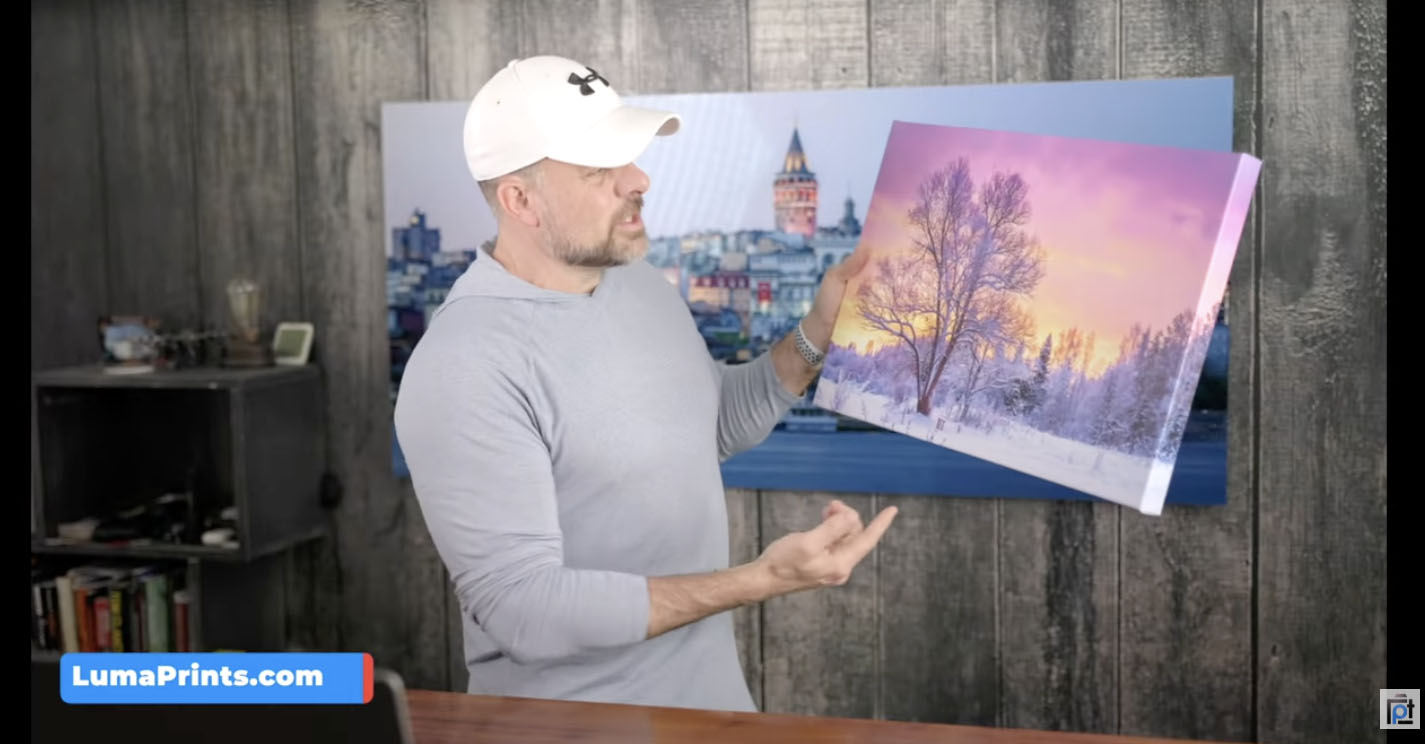
Canvas is the most broadly appealing substrate. The texture softens portraits, the warmth suits landscape and travel work, and the familiar gallery look fits nearly every home interior. Because canvas is the format clients recognize most readily, it converts fastest and serves as the anchor in most print pricing structures. Our Lumaprints canvas print review gave the 16×20 a 6-out-of-5 value rating. It’s one of a handful of times in years of reviews we’ve awarded the extra point, and the quality far exceeded what the $63 cost would suggest. At 3x, a $189 client price is easy to defend, and the photography print markup holds even at 4x, which still sits below what a retail frame shop charges for a custom job of similar size. Canvas is where most photographers should anchor their print menu and where consistent volume will come from.
Metal Prints: The Premium Tier
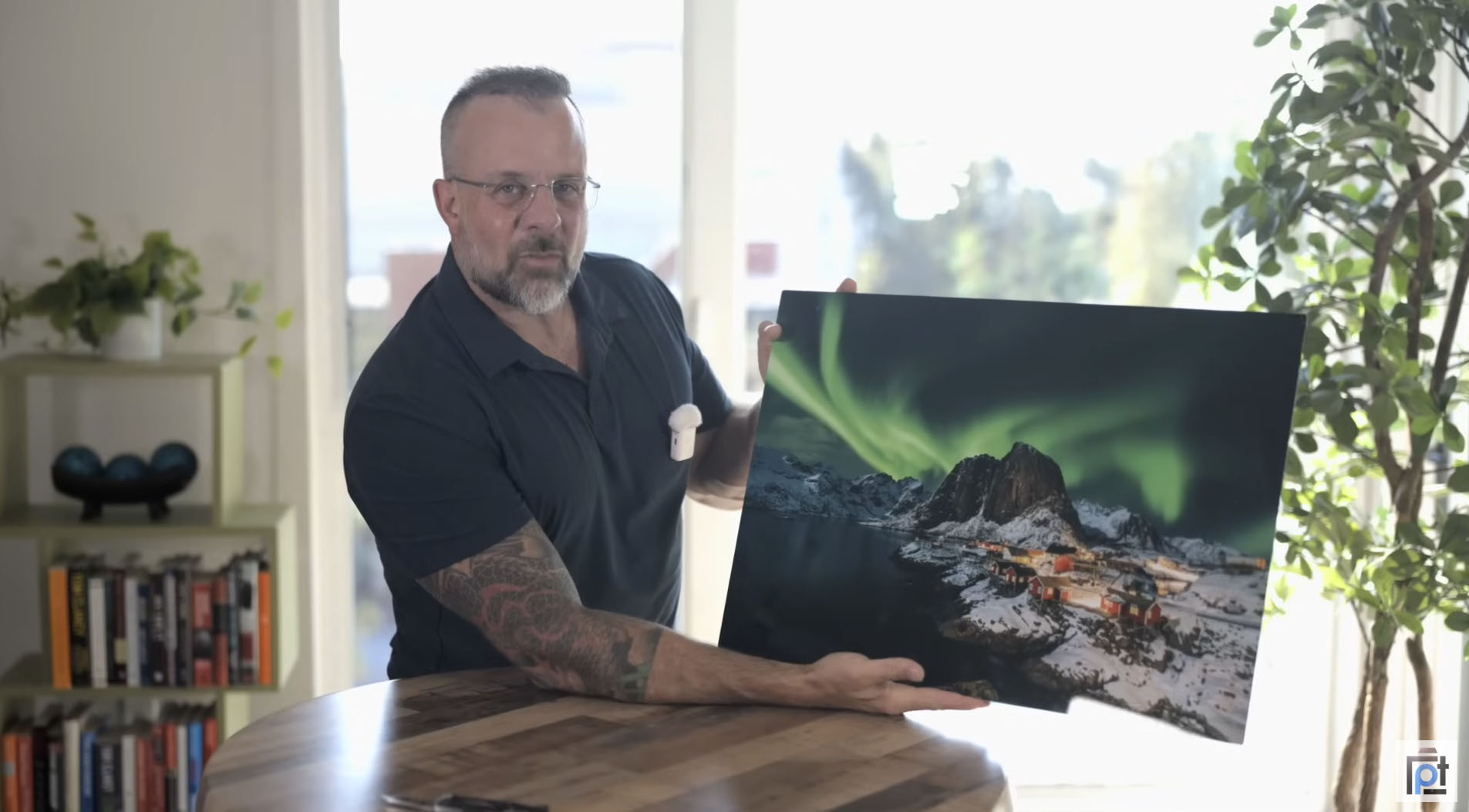
Metal prints carry higher lab costs than canvas, but their perceived value tracks even higher. The luminous color, the modern aesthetic, and the documented longevity of ChromaLuxe aluminum give you multiple selling points beyond visual appeal. Clients who want a statement piece for a living room respond well to metal at premium prices. The same holds true for a dramatic landscape destined for a hallway. In our Lumaprints metal print review, the 16×24 rivaled labs charging nearly double for the same substrate. A 3x price sits in strong mid-market territory. For photographers with brand presence behind them, a 4x price is defensible. Quality, longevity, and the premium positioning of the metal format all justify the number.
Fine Art Paper: The Boutique Option
Fine art paper carries the highest perceived prestige among collectors and art buyers. Its lab cost per unit is often lower than canvas or metal at smaller sizes, which makes the margin strong. The market for fine art paper is narrower. It appeals strongly to collectors, editorial photography buyers, and clients who want something signaling intentional artistry. For collectors and editorial buyers, 4x to 5x pricing is entirely appropriate. Pair a high-margin fine art paper option with a high-volume canvas anchor. Together they give you a print menu covering both ends of the buyer spectrum. For a deeper look at Lumaprints’ premium framed option, see our Lumaprints framed canvas review.
Using Perceived Value to Justify Your Prices
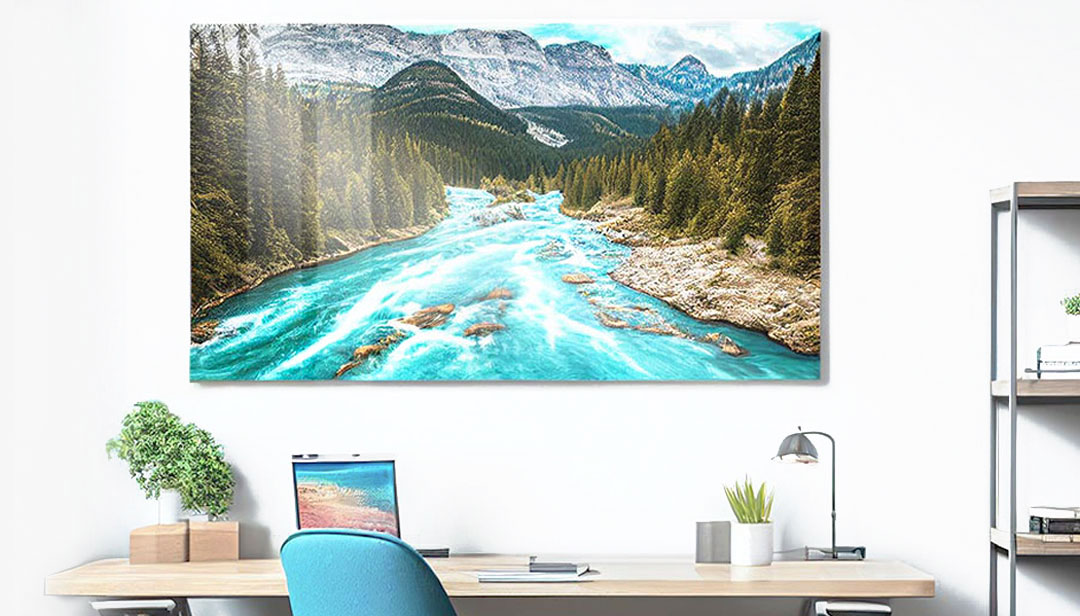
Perceived value is what a client believes a print is worth before they see the price. Photographers who build perceived value before quoting prices close sales at higher margins than those who lead with a number.
Anchoring with Premium Options First
Present your most expensive option first. A client who sees a $450 framed large-format metal print before a $189 canvas print perceives the canvas as accessible rather than expensive. Without the anchor, $189 feels like a lot. With it, $189 feels like a value. Luxury hotels use this same principle when displaying room types. A prix fixe menu starts with the highest-priced options for the same reason. The technique is legitimate, widely used, and effective.
Telling the Story of the Print
A 16×20 canvas of a landscape shot on a hiking trail in Wyoming tells a different story than a 16×20 canvas from an online discount service. One has a history behind it. The former carries decades of experience, a specific place and moment, and color-corrected output from a lab personally vetted through multiple reviews. It also comes with a story the client will repeat when guests ask about it. None of those things appear on the invoice, but all of them factor into what the client is willing to pay. Photographers who narrate their process, their locations, and their editing approach before presenting prices build perceived value the number alone never creates.
The Quality Proof Point
Showing clients physical samples before they order changes conversion rates. A client who holds a Lumaprints canvas and feels the stretch is no longer buying an abstract product at a number. They see the color accuracy, notice the floating frame, and inspect the pre-installed hardware. They’re buying something they’ve touched. For photographers selling at events, doing in-person consultations, or running studio sessions, physical samples are among the highest-ROI investments in print sales.
How Print on Demand Changes the Pricing Equation
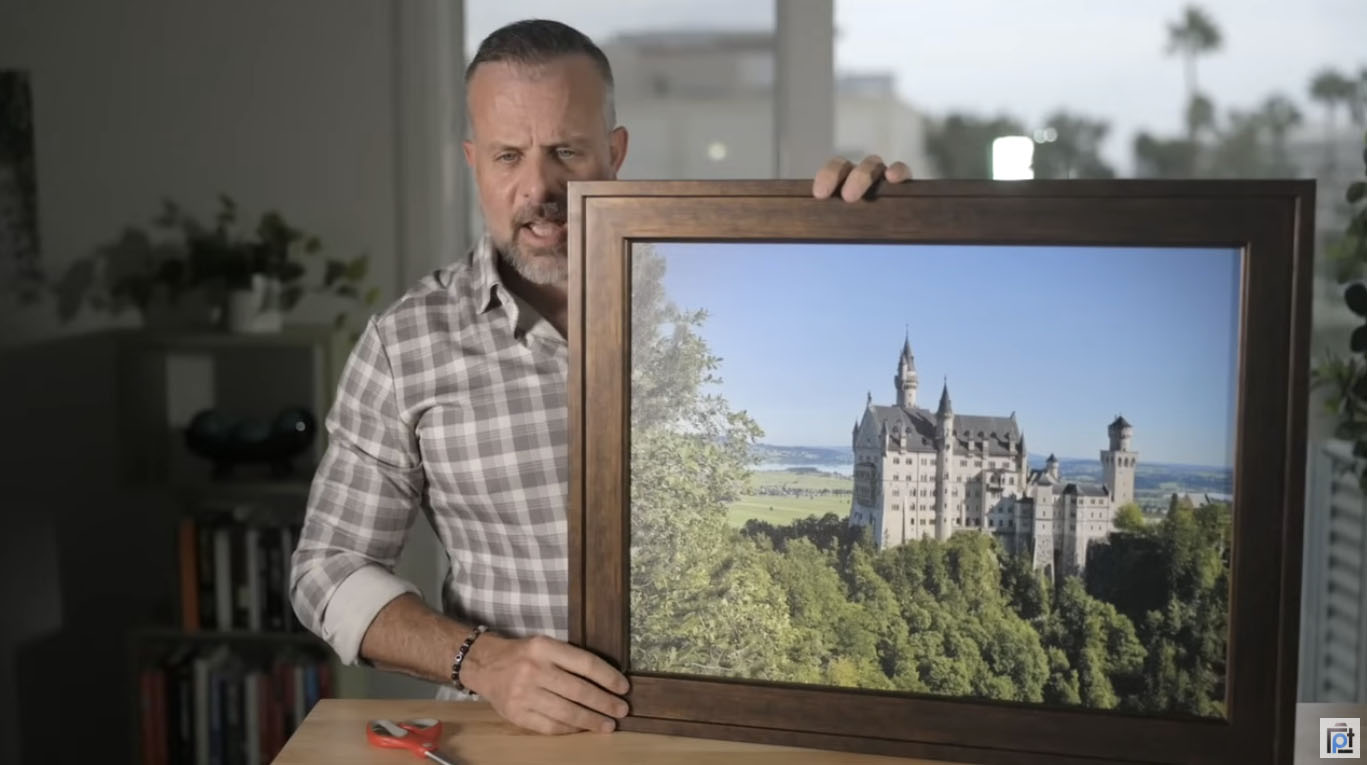
Traditional print sales require photographers to buy inventory upfront, store it, manage shipping, and absorb the cost of damaged or unsold stock. Each of those costs adds to the real overhead per print, which pushes breakeven higher and makes thin markups even thinner.
A print-on-demand model through a lab like Lumaprints removes every one of those costs. Production happens after the client orders. Shipping goes direct to the client. Inventory is zero. Damaged stock is replaced by the lab, not charged back to you. The overhead reduction doesn’t mean you should price lower. It means you keep more of the same retail price. A $189 canvas at 3x lab cost on a POD model returns more actual profit than the same $189 print on a self-managed inventory model. The overhead per unit is dramatically lower with POD.
The second pricing advantage of POD is flexibility. Because you’re not holding stock, you’re not locked into sizes or substrates you’ve already paid for. You price your menu based on what sells at what margin and adjust without writing off inventory. For a full breakdown of how POD fulfillment works with Lumaprints, see our article on selling prints through automated fulfillment. You’ll also find the case for why print-on-demand belongs in your photography business plan.
Price Your Prints with Confidence
Start with Lumaprints’ POD Platform
No inventory, no upfront cost, no shipping headaches. Order only when clients buy and keep more of every sale.
Comparing Your Prices to Online Competitors
The most common reason photographers get how to price photography prints wrong is comparing themselves to services like Shutterfly, Snapfish, or generic canvas sites. Those comparisons are a trap. You’re not selling the same product, and you’re not selling to the same buyer.
A client ordering a $15 canvas from a discount site is buying a commodity product. It’s a digital file printed on an assembly line with no curation. There’s no color profiling specific to the image, and no relationship with the person who made the photograph. A client ordering from a professional photographer is buying a curated, color-corrected, relationship-backed product with a story attached. Those are different products at different price points for different buyers. Trying to compete on price with commodity services is a losing photography pricing strategy. Your comparison point should be custom framing shops, fine art galleries, and boutique print services, not discount mass-market retailers.
For context, our canvas vs. metal print comparison found Lumaprints products outperforming labs charging significantly more per unit. Your lab is already at the premium end of the quality spectrum. Your pricing should reflect the output, not the cost.
Final Verdict
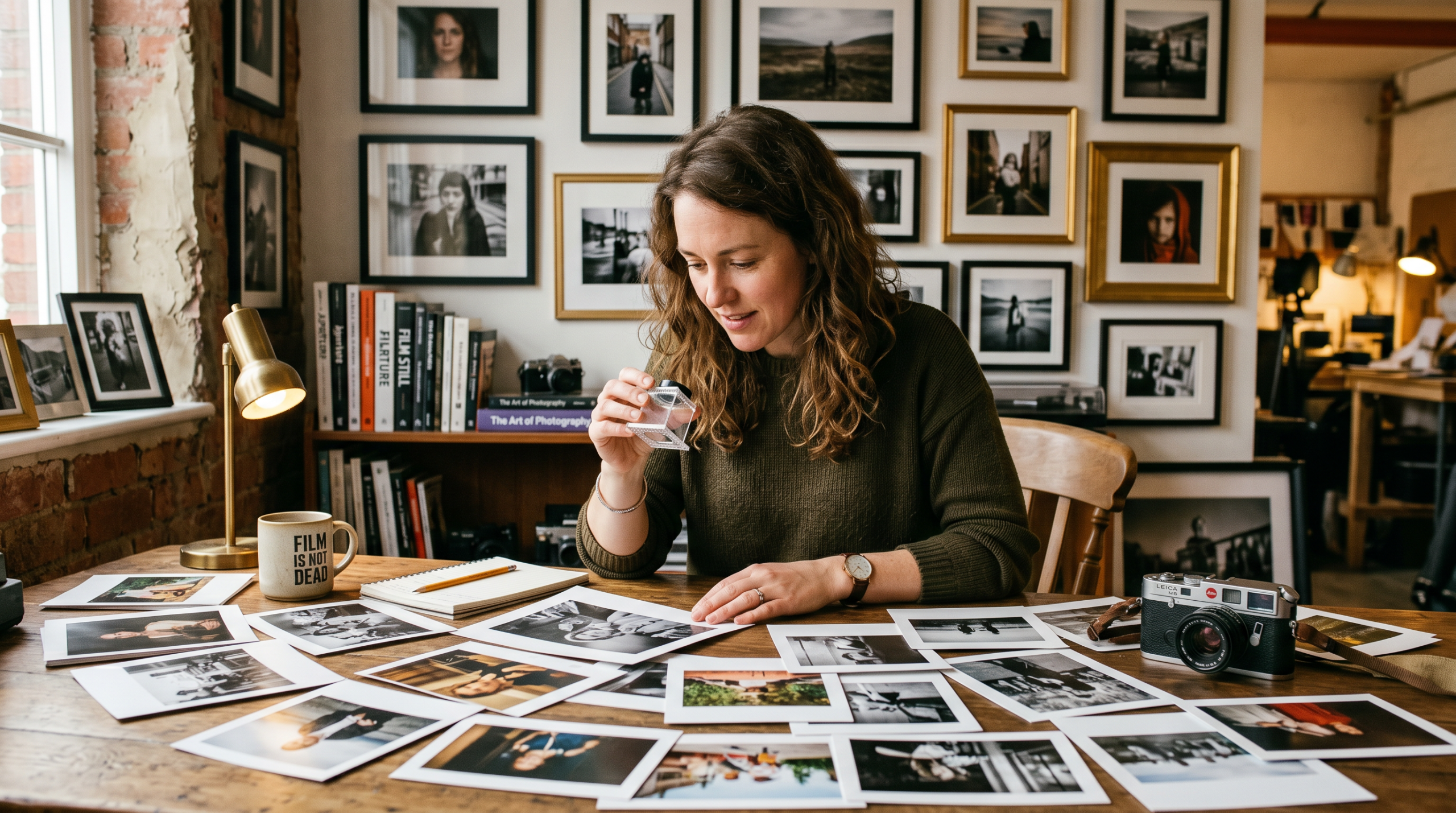
Knowing how to price photography prints for profit starts with a cost baseline, not a competitor’s price list. Once you know your lab cost, time cost, and overhead per unit, the markup math isn’t complicated. A 3x markup gets you to sustainability. A 4x to 5x markup builds a real business. The substrate matters: canvas is your volume driver, metal is your premium anchor, and fine art paper serves your most value-conscious buyers. These three together cover the full margin range.
The photographers who consistently undersell their prints aren’t making a math error. They’re making a positioning error, treating their work as a commodity when their clients are buying something irreplaceable. Fixing the positioning fixes the pricing. Lumaprints’ lab costs are low enough to make 4x and 5x markups viable at prices clients find entirely reasonable. At a $63 canvas and $109 metal print baseline, you’re working with one of the best cost structures in the print industry. The margin is already there. All you have to do is price to claim it.
Ready to Sell Prints for Profit?
Check Current Lumaprints Pricing
Canvas, metal, framed canvas, and fine art paper. See the lab costs behind the markup math above.
Frequently Asked Questions
How much should I charge for photography prints?
The key to knowing how to price photography prints is starting from your lab cost rather than a competitor’s price. Apply a 3x minimum markup from there. A $63 canvas from Lumaprints should retail at no less than $189. More established photographers with strong brand positioning routinely price at 4x to 5x, ranging from $252 to $315 for the same print, without losing clients. The right price depends on your audience, your brand, and your confidence level, but 3x is the floor below which print sales stop being worth the effort.
What is a good markup for photography prints?
A 3x markup is the sustainable minimum. A 4x to 5x markup is the professional standard for photographers with established client relationships and brand presence. Below 3x, overhead and time costs typically erase the profit margin. Above 5x, you’ll want to confirm your perceived value is strong enough to support the premium positioning without pushback.
How do I price canvas prints vs metal prints?
Canvas serves as your volume driver at 3x to 4x markup, converting broadly because clients recognize and trust the format. Metal prints command a higher lab cost but carry even higher perceived value: dramatic lighting, vivid color, and a documented 65-year lifespan from ChromaLuxe testing all justify premium positioning. Price metal at 3x to 4x and don’t discount it below canvas pricing even though the lab cost is higher. Clients expect to pay more for metal, and the premium is justified.
How do I compete with cheap online print services on price?
Don’t try to compete on price with commodity services. Shutterfly, Snapfish, and similar platforms sell volume-priced prints with no curation, no color profiling specific to the image, and no relationship with the photographer. You’re selling a different product to a different buyer. Your comparison point is custom framing shops and boutique print services, not discount retailers. Clients who understand what they’re getting from a professional photographer don’t expect commodity prices.
Does print on demand affect how I should price photography prints?
POD lowers your true cost baseline by eliminating inventory, storage, and self-managed shipping. It doesn’t lower your retail price; it improves your margin at the same retail price. A $189 canvas sold through Lumaprints’ POD model returns more actual profit than the same $189 print self-managed, because overhead per unit is dramatically lower. Keep your retail price the same and let POD improve what you keep per sale.
How do I know if I’m underpricing my photography prints?
Three signals indicate underpricing photography prints. Clients accept your price immediately without any hesitation on every single order. After factoring in time, platform fees, and overhead, your hourly return on print sales falls below your minimum acceptable rate. You feel uncomfortable when clients ask about price because you privately believe you should be charging more. If any of those sound familiar, raise your price by 20% on the next sale and observe what happens.
Heads up: Clicking on our affiliate links and exploring our sponsored content helps us at no extra cost to you, and we only recommend gear we’re absolutely crazy about!

