


Quick Facts:
- Topic: Florida photography road trip
- Locations: 14 photo stops statewide
- Best season: November through April, the dry season
- Skill level: All levels
- Gear: Weather-sealed body, telephoto, wide lens, travel tripod, polarizer
- Subjects: Wildlife, beaches, springs, historic architecture
- Best for: Photographers planning a Florida photo road trip
8 min read
In This Guide
- Best Places to Visit in Florida With a Camera
- Your Florida Photo Trip at a Glance
- South Florida and the Everglades
- The Florida Keys
- The Gulf Coast
- Central Florida Springs and Lakes
- The Atlantic Coast and North Florida
- Best Time to Visit Florida With a Camera
- Final Thoughts on the Best Places to Visit in Florida
- Frequently Asked Questions
Best Places to Visit in Florida With a Camera
Florida packs more photographic range into one state than almost anywhere in the country. Specifically, the best places to visit in Florida with a camera run from alligator marshes to turquoise reefs, Spanish forts, and crystal springs. Because few destinations hand you wildlife, beaches, and history within a single morning, this guide treats the state as one long photo trip.
Below, you get 14 stops grouped by region. For each one, you also get the best light, the right season, and the gear worth carrying. Since the state stretches over 400 miles north to south, smart planning saves both time and fuel. Treat this list as a Florida bucket list built for photographers, not theme-park crowds.
Wildlife shooters will lean toward the wetlands, while landscape photographers chase the coasts and springs. However, most stops reward both styles at once. If you enjoy destination work, our Costa Rica photography guide pairs well with a Florida route, because the subjects and gear overlap closely.
Your Florida Photo Trip at a Glance
Each region below suits a different subject and a different time of day. Match your favorite subject to its peak season, then build a route around it. For instance, a winter wildlife trip looks nothing like a summer storm-chasing run.
| Region | Main Subjects | Best Light | Peak Season |
|---|---|---|---|
| South Florida & Everglades | Gators, wading birds | Early morning | Dec to Mar |
| The Keys | Beaches, sunsets, forts | Sunset, blue hour | Nov to Apr |
| Gulf Coast | Shorebirds, Gulf sunsets | Late afternoon | Spring migration |
| Central Springs | Springs, gators, light beams | Midday sun | Year round |
| Atlantic & North | History, coquina, birds | Blue hour, sunrise | Nov to Apr |
Gear Up for Florida
Travel Tripods Built for Sand, Surf, and Humidity
Florida shoots punish cheap gear. A sealed, lightweight travel tripod holds steady on wet boardwalks and breezy beaches.

South Florida holds the state’s richest wildlife. Moreover, Florida wildlife photography often starts right here, where alligators, herons, and anhingas pose along easy boardwalks. Because the animals stay close, bring a long lens and a wildlife photography gear checklist before you go.
Everglades National Park: Anhinga Trail
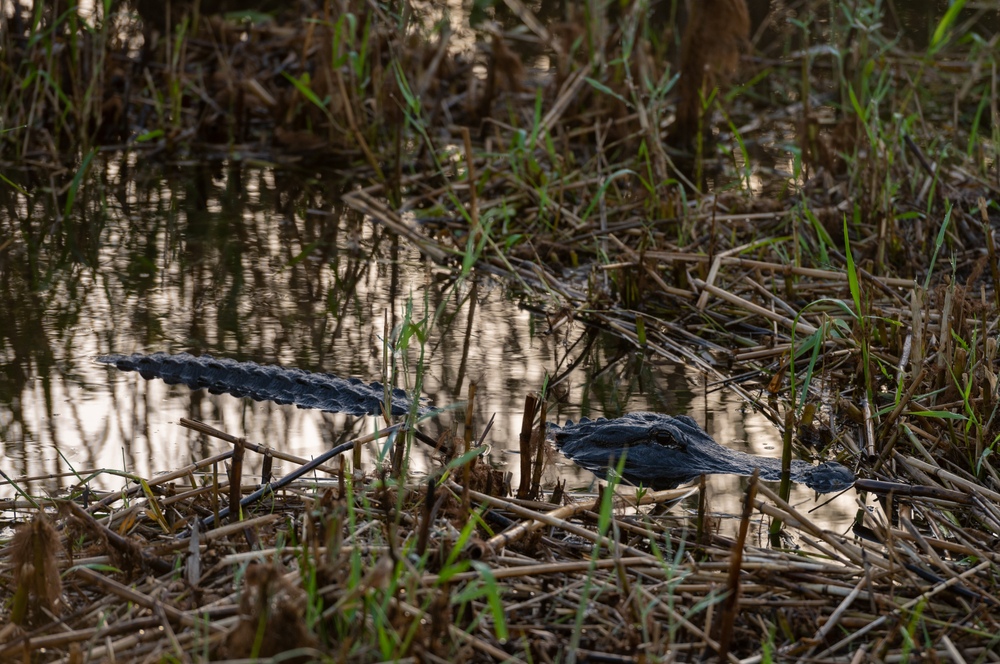
The Anhinga Trail ranks among the easiest wildlife shoots in the country. Specifically, alligators sun beside the path, while anhingas dry their wings an arm’s length away. Arrive at sunrise during the winter dry season, since animals gather near shrinking water. For current trail hours, check the official Everglades National Park site.
Big Cypress National Preserve
Next door, Big Cypress trades crowds for quiet swamp scenes. Loop Road delivers mirror reflections of bald cypress at golden hour. Meanwhile, wading birds stalk the shallows, so a 300mm lens earns its weight. After the summer wet season, the reflections turn glassy and rich.
Wakodahatchee Wetlands

This Delray Beach boardwalk circles a marsh packed with nesting birds. Herons, egrets, and wood storks raise chicks within reach each spring. Soft morning light rakes across the water and lifts every feather, especially in nesting season. For a compact kit, review our guide to bird photography gear for beginners.
The Florida Keys
The Keys leave the marshland behind for turquoise water and salt-bleached history. Sunsets here glow longer, because the horizon sits wide open over the Gulf. Therefore, pack a polarizer to cut glare and deepen the blues.
Key West and Mallory Square
Key West closes each day with the Mallory Square sunset celebration. Street performers, sailboats, and a burning sky fill the same frame. First, shoot the crowd during golden hour, then stay for blue hour silhouettes. Afterward, the Southernmost Point buoy offers a classic marker shot.
Bahia Honda State Park

Bahia Honda hides one of the state’s best beach views. The old rail bridge arcs over clear water, framing the shoreline below. While midday sun saturates the turquoise, sunrise paints the bridge in warm tones. For an elevated angle, climb the approach over Sandspur Beach.
Dry Tortugas National Park
Reaching Dry Tortugas takes a ferry or seaplane from Key West. The reward is Fort Jefferson, a massive brick fortress ringed by reef. Wide lenses capture the walls, while clear nights reveal dense star fields. Because the park sits 70 miles offshore, light pollution stays near zero.
Save on Used Gear
Weather-Sealed Bodies and Telephotos for Less
Florida wildlife rewards a long lens. MPB sells inspected used telephotos and sealed bodies at a fraction of new prices, each with a free six-month warranty.
The Gulf Coast
Florida’s Gulf side offers calm water and long, glowing sunsets in place of surf. For this reason, Florida landscape photography thrives along this coast. Meanwhile, shorebirds work the tide lines, so timing matters more than distance. Pair these stops with solid landscape photography techniques for stronger frames.
Sanibel Island and Ding Darling
Sanibel curves east to west, a rare angle for Gulf sunrises and sunsets alike. The J.N. Ding Darling refuge draws roseate spoonbills, ibis, and herons at low tide. Specifically, shoot the mudflats early, when birds feed and the light stays soft. Shell-strewn beaches also add foreground texture for wide shots.
Fort De Soto Park
Fort De Soto near St. Petersburg blends white beaches with heavy bird traffic. During spring migration, warblers, terns, and skimmers flood the park. Late afternoon light then wraps the dunes and the fishing pier in gold. Bring a telephoto for the birds and a wide lens for the shoreline.
Naples Pier

Naples Pier delivers a clean, iconic Gulf sunset with minimal effort. The wooden pilings march toward the horizon and anchor your composition. For the best result, arrive an hour early, then work the scene through blue hour. A slow shutter also smooths the water for a calmer mood.
Central Florida Springs and Lakes
Inland Florida hides crystal springs and lake reserves few visitors photograph. Still, Florida wildlife photography continues here, where gators and eagles patrol the shoreline. Because the water runs clear, midday sun becomes your ally for underwater light beams.
Circle B Bar Reserve
This Lakeland reserve earned a reputation for dense wildlife on the Alligator Alley trail. Bald eagles, herons, and gators appear within a single sunrise walk. Marsh grasses also glow at first light and frame the action well. Weekdays stay quiet, so you rarely fight for a spot.
Rainbow Springs and Devil’s Den
Rainbow Springs flows a vivid blue-green through shaded hammock. Nearby, the privately run Devil’s Den sits inside a collapsed cavern, where noon sunlight drops through the roof in solid beams. Snorkelers and divers add useful scale to the frame. Because the den stays small, book your slot early.
The Atlantic Coast and North Florida
Northern Florida adds Spanish history and rare rock formations to your trip. Here, the Atlantic surf hits harder, so sturdy footing helps. Above all, plan blue hour shoots around the region’s forts and lighthouses.
St. Augustine

St. Augustine claims the title of oldest city in the United States. For example, the lighthouse, Castillo de San Marcos, and Flagler College all reward a tripod at blue hour. Narrow lanes also glow under string lights after dark. Shoot the fort at sunrise, before tour groups arrive.
Washington Oaks Gardens State Park
This park near Marineland holds coquina rock formations rarely seen on Florida’s east coast. The pitted stone catches sidelight at sunrise and adds bold foreground. Because waves wash through the rocks, a slow shutter builds motion. Check the tide chart first, since low tide exposes more stone.
Merritt Island and Kennedy Space Center
Black Point Wildlife Drive on Merritt Island pairs marsh birds with launch views. Spoonbills and pelicans feed beside the road, an easy car-window shoot. On launch days, meanwhile, the same wetlands frame rockets climbing over Kennedy Space Center. Check the schedule, then arrive hours ahead for a clean angle.
Best Time to Visit Florida With a Camera

The dry season, November through April, suits most photography across the state. Because the air cools and bugs thin out, these months stay the easy choice. Summer instead brings afternoon thunderstorms, which build dramatic skies but threaten gear in heavy rain.
Plan each shoot around the sun, not the clock. While wildlife peaks at dawn, the coasts shine at sunset and blue hour. For deeper timing advice, study the difference between golden hour and blue hour before you travel. Humidity also fogs cold lenses, so let your gear adjust outside first.
Final Thoughts on the Best Places to Visit in Florida
Florida rewards photographers who chase variety over a single subject. In one week, you move from gator marshes to coral forts and glowing springs. As a result, no other state delivers this range with such easy access.
Start with the region matching your favorite subject, then build outward. Wildlife shooters should anchor in the Everglades, while landscape fans belong on the Gulf. For Florida landscape photography, the Gulf coast offers the calmest water and longest sunsets. Either way, these stops sit close enough to chain into one trip.
Pack a weather-sealed body, one telephoto, and one wide lens, and you cover nearly every scene above. Then add a polarizer and a travel tripod, and let the light guide your schedule. Your Florida bucket list starts the moment you set the first alarm.
Frequently Asked Questions
What is the best time of year to photograph Florida?
The dry season, November through April, works best for most subjects. Because wildlife concentrates near shrinking water, your odds climb. Summer offers dramatic storm skies, although afternoon rain threatens your gear.
Where do you photograph birds and alligators in Florida?
The Everglades Anhinga Trail, Circle B Bar Reserve, and Wakodahatchee Wetlands rank highest for close wildlife. Each one offers boardwalks or easy trails near the animals. Notably, morning light and the winter season improve your results.
What are the best beaches in Florida for photography?
Bahia Honda in the Keys and Fort De Soto on the Gulf lead for beach scenes. Both blend clear water with strong foreground interest. For the warmest tones, shoot at sunrise or sunset.
Do you need a permit to photograph in Florida state parks?
Casual handheld photography needs no permit in most Florida state and national parks. However, commercial shoots with crews or props often require a permit and a fee. Therefore, check the specific park office before a paid assignment.
What camera gear handles Florida heat and humidity?
A weather-sealed body and lens resist the salt spray and sudden rain. In addition, pack silica gel, microfiber cloths, and a rain cover for storms. Let cold gear warm slowly outside, since humidity fogs chilled glass.

