


Quick Facts:
- Feature: AirPods Camera Remote in iOS 26
- What it does: Triggers the iPhone or iPad shutter and video recording from a distance
- Supported AirPods: AirPods 4, AirPods Pro 2, AirPods Pro 3, AirPods Max 2
- Software needed: iOS 26, iPadOS 26, or later
- Gesture options: Press Once or Press and Hold
- Default state: Off until you enable it in Settings
- Cost: Free with hardware you already own
- Best for: Self-portraits, group shots, long exposures, and solo vloggers
6 min read
In This Article
- Hands-Free Shooting Explained
- Key Facts at a Glance
- How to Turn On the AirPods Camera Remote
- Press Once vs. Press and Hold
- Photography Use Cases for the AirPods Camera Remote
- Supported Apps and Regional Limits
- AirPods Remote vs. Apple Watch and the Self-Timer
- Final Thoughts
- Frequently Asked Questions
iOS 26 AirPods Camera Remote: Hands-Free Shooting Explained
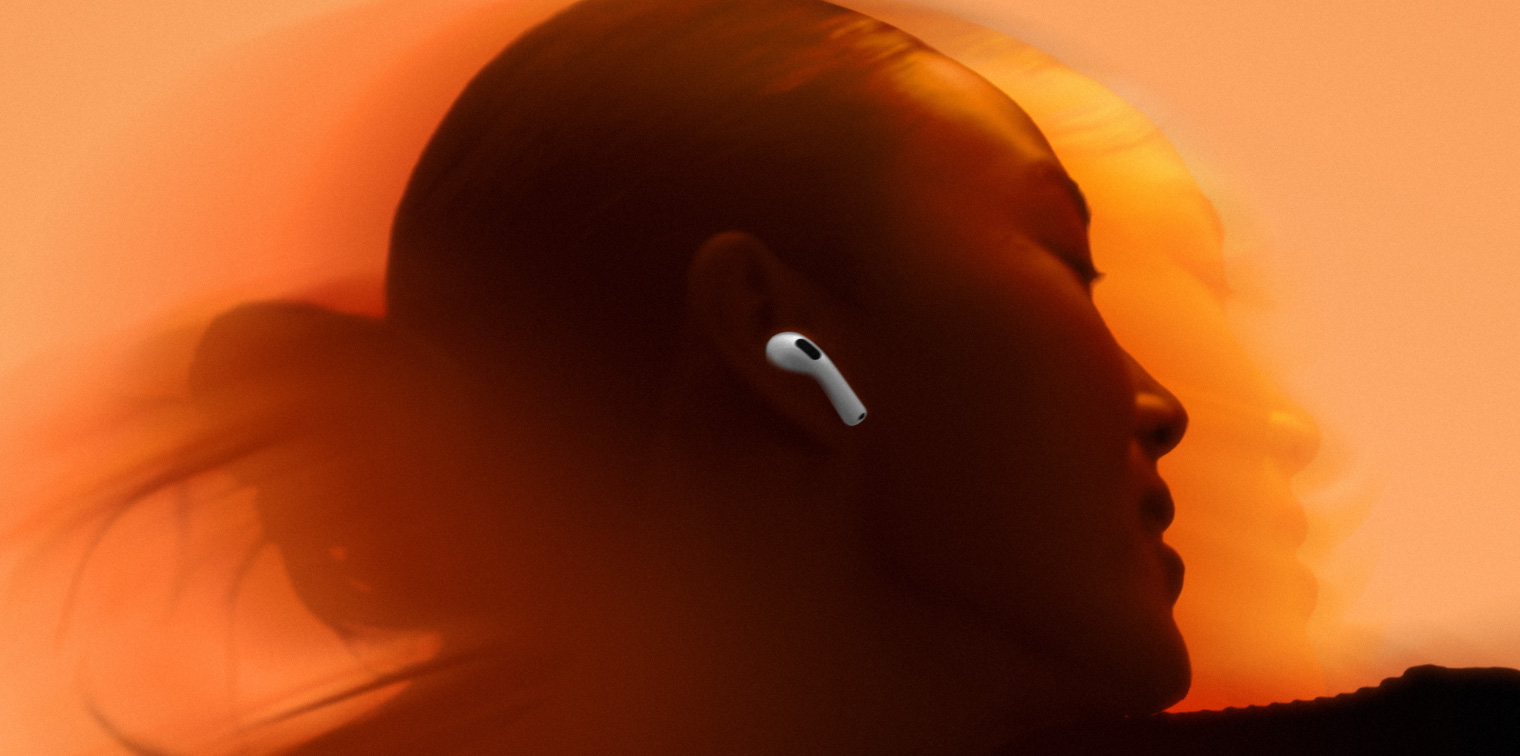
The AirPods Camera Remote in iOS 26 turns a press on your earbud stem into a shutter trigger. Apple built the tool for iPhone and iPad owners who shoot solo, work from a tripod, or set up group photos with nobody left to hold the phone. You frame the scene, step into the shot, and press once. Your iPhone then fires from across the room.
Apple ships this gesture with four models: AirPods 4, AirPods Pro 2, AirPods Pro 3, and AirPods Max 2. Older earbuds miss out, so confirm your model before you depend on it. Compared with the Apple Watch remote, the earbud trigger needs no second screen and no glance at your wrist. Instead, one tap on the stem does the work while the buds stay in place.
Price matters here too, because the gesture costs nothing beyond hardware you likely carry already. Photographers with AirPods gain a free remote shutter, which usually sells as a separate Bluetooth accessory for $10 to $30. For self-portraits, long exposures, and wildlife setups, the convenience adds up fast. Among the new iOS 26 AirPods features, this one speaks most directly to anyone who shoots.
Key Facts at a Glance
| Specification | Details |
|---|---|
| Feature name | Camera Remote (in your AirPods settings) |
| Supported AirPods | AirPods 4, AirPods Pro 2, AirPods Pro 3, AirPods Max 2 |
| Software requirement | iOS 26, iPadOS 26, or later |
| Actions | Take a photo, start or stop video, use AirPods as a microphone |
| Gesture choices | Press Once or Press and Hold |
| Trigger point | AirPods stem, or the Digital Crown on AirPods Max 2 |
| Default setting | Turned off until enabled |
How to Turn On the AirPods Camera Remote

Apple keeps the AirPods Camera Remote switched off by default, so you flip it on once inside Settings. The whole setup takes under a minute. Follow these steps:
- Open Settings on your iPhone or iPad running iOS 26 or iPadOS 26.
- Tap your AirPods name near the top of the screen.
- Tap Camera Remote, the AirPods Camera Control option.
- Choose Press Once or Press and Hold as your trigger gesture.
- Open the Camera app, frame the shot, then press the stem or the Digital Crown on AirPods Max 2.
Because the toggle hides one level deep, many owners overlook it. Set it before your next shoot, and the gesture stays ready every time you open the Camera app. Apple documents the same path in its official AirPods support guide, which also lists the microphone option.
Press Once vs. Press and Hold
Your gesture choice changes which other AirPods controls pause during a shoot. With Press Once, a single tap on the stem fires the shutter. However, media playback gestures sit idle while a supported camera app stays open. For a quick still or a group photo, this option feels the most natural.
Press and Hold suits longer sessions instead. You hold the stem to start or stop a recording, though listening mode and Siri gestures pause while the camera app runs. Notably, neither setting touches your photos or video quality. The gesture only sends the trigger, so the iPhone sensor and lens do every bit of the imaging work.
Photography Use Cases for the AirPods Camera Remote
Self-portraits and group shots gain the most. You prop the iPhone on a tripod or ledge, walk into frame, and trigger the shot yourself. Nobody sits out the photo, and you skip the rushed 10-second timer sprint.
Long exposures are the next obvious fit. A physical tap on a tripod-mounted phone introduces shake, yet a stem press keeps your hands off the device entirely. For night scenes and light trails, the added stability sharpens the result. Our smartphone night photography tips pair well with this hands-free approach.
Then there are solo video creators. You start and stop recording from across the room, and the same AirPods double as a wireless microphone for cleaner audio. Creators comparing dedicated rigs should still review our guide to the best cameras for vlogging. Wildlife and street shooters round out the list, since a silent stem press draws less attention than a bright screen.
Supported Apps and Regional Limits
The gesture works inside the stock Camera app and any third-party app built on Apple’s capture-control framework. Developers wire in support through the same system Apple opened for the Camera Control button, so expect popular apps to adopt it over the coming months. Until then, the native Camera app remains the safest place to take photos with AirPods.
Two limits deserve a flag. First, Apple notes some functions stay unavailable in certain countries because of local laws and regulations, so behavior varies by region. The microphone option, for example, sits out in parts of the EU. Among the wider iOS 26 AirPods features this cycle, the camera remote carries the most region-specific fine print. For broader context on Apple’s camera direction, see our coverage of iOS camera updates for photographers.
AirPods Remote vs. Apple Watch and the Self-Timer
Apple already offered two ways to fire the shutter from a distance. The Apple Watch Camera Remote app shows a live preview on your wrist, and the built-in self-timer counts down before each frame. Both still work, yet each asks something extra from you.
The watch app demands a glance at a tiny screen, and the timer forces you to predict the moment seconds early. By contrast, the AirPods Camera Remote reacts the instant you press, with no screen and no countdown. The watch wins when you need a live preview, since AirPods give no view of the frame.
For most casual setups, the earbud trigger feels quicker and lighter. You keep the buds in for music or calls, then fire a shot without switching devices. Match the tool to the task rather than retire the others.
Final Thoughts
The AirPods Camera Remote suits any photographer who already owns a supported pair and shoots without a helper. Its biggest strength is reach: you trigger the camera from wherever you stand, with a gesture you learn in seconds. For solo portraits, tripod work, and quick group photos, the payoff is immediate.
The trade-offs stay small but real. You lose a media or Siri gesture while shooting, and you get no live preview the way the Apple Watch provides. Owners of older AirPods miss the feature entirely, so the upgrade math depends on your current model.
As a free addition to hardware you carry daily, the value is hard to argue with. It replaces a $10 to $30 Bluetooth shutter for many shooters and removes one more thing to pack. Pair it with a steady tripod, and your iPhone becomes a far more capable solo camera. For more mobile shooting ideas, browse our smartphone photography guides.
Frequently Asked Questions
Which AirPods support the Camera Remote in iOS 26?
The feature works with AirPods 4, AirPods Pro 2, AirPods Pro 3, and AirPods Max 2. Your iPhone or iPad also needs iOS 26 or iPadOS 26. Older AirPods models do not support the gesture.
How do I turn on the AirPods Camera Control setting?
Open Settings, tap your AirPods name, then tap Camera Remote. Pick Press Once or Press and Hold as your gesture. The toggle stays off until you enable it.
Which camera apps let you take photos with AirPods?
You take photos with AirPods in the stock Camera app and in third-party apps built on Apple’s capture-control framework. Support depends on the developer, so the native Camera app remains the most reliable option for now.
Does the AirPods Camera Remote affect photo quality?
No. The gesture only sends a trigger signal to the iPhone or iPad. Your sensor, lens, and processing handle the image, so quality matches any other shot from the same device.
What is the difference between Press Once and Press and Hold?
Press Once fires the shutter with a single tap but pauses media gestures during a shoot. Press and Hold starts or stops recording yet pauses listening mode and Siri gestures while the camera app stays open.

