


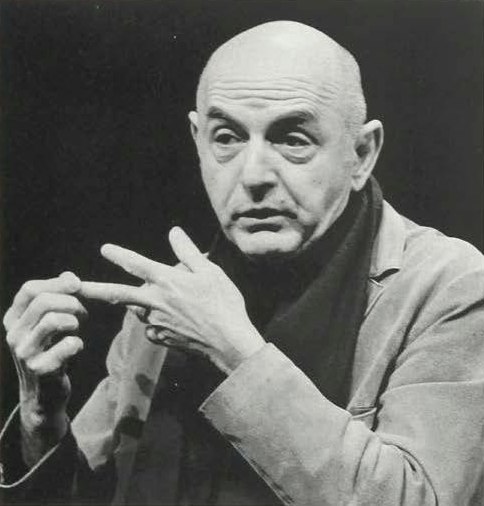
Quick Facts:
- Photographer: Duane Michals (Duane Stephen Michals)
- Born: February 18, 1932, McKeesport, Pennsylvania
- Died: June 9, 2026, New York City, age 94
- Known for: Photo sequences and handwritten text on prints
- Career: 1958 to 2026, mostly in New York City
- Notable books: Sequences (1970), The Journey of the Spirit After Death (1971)
- Output: More than 40 monographs
- Why he matters: He brought narrative and inner life into fine art photography
8 min read
In This Article
- Duane Michals: A Storyteller Who Changed Photography
- Key Facts at a Glance
- How Duane Michals Built Narrative Photography
- Writing on the Print: Text as Part of the Picture
- Portraits Without a Studio
- The Defining Works of Duane Michals
- What Photographers Learn From His Approach
- Awards, Collections, and Influence
- Frequently Asked Questions
Duane Michals: A Storyteller Who Changed Photography
Duane Michals changed how photographers tell stories. The American artist died on June 9, 2026, in Manhattan at age 94, a death confirmed by his gallery, DC Moore. Across six decades, Duane Michals turned the single frame into a sequence, wrote by hand across his prints, and asked questions most photographers avoided.
His audience runs wide. If you shoot portraits, work in black and white, or want images with meaning beyond the surface, his methods still apply. Michals built his body of work without a studio, without costly gear, and without formal training. Instead, he worked from ideas, and the ideas held up.
He also stood apart from his peers. While Richard Avedon and Irving Penn perfected subjects under studio lights, Michals photographed people inside their own rooms. Because he trusted narrative over spectacle, he printed small and asked viewers to lean in. Notably, he treated photography as a way to show feelings rather than facts.
This piece looks at how Michals worked, the photographs people remember, and the lessons you take into your own shooting today.
Key Facts at a Glance
| Detail | Information |
|---|---|
| Full name | Duane Stephen Michals |
| Born | February 18, 1932, McKeesport, Pennsylvania |
| Died | June 9, 2026, New York City (age 94) |
| Education | BA, University of Denver (1953); later studied at Parsons |
| First solo show | 1963, Underground Gallery, New York City |
| Signature methods | Sequences, handwritten text, multiple exposures |
| Monographs | More than 40 |
| Archive | Carnegie Museum of Art, Pittsburgh |
How Duane Michals Built Narrative Photography

Photo sequences became his signature. In the 1960s, while photojournalism and the decisive moment ruled the field, Michals broke the single image into a series. Each frame moved the story forward, much like the panels of a comic or the shots in a film. As a result, time entered the photograph.
His 1970 book, Sequences, gathered these picture-stories in one place. In one, a man meets a stranger. A spirit leaves a body. Elsewhere, a room fills with light and then empties. Because the frames sit side by side, the viewer reads them in order and feels the change between first and last.
This approach reshaped how photographers tell stories. Before Michals, a photograph froze one instant. After him, photographers had a model for telling a full story in five or six frames. Specifically, he proved you do not need motion or video to show events unfolding over time.
For a working photographer, the lesson sits close to home. A single strong frame stops the eye, yet a short sequence holds attention longer. Therefore, the next time you shoot, consider three frames instead of one.
Writing on the Print: Text as Part of the Picture
Michals also wrote on his photographs. Using a steady hand, he added sentences below or beside the image in pen. The words never simply described the scene. Instead, they added a second layer of feeling, memory, or doubt the picture alone left unsaid.
One of his most quoted lines explains the goal. “I want to know what something feels like, not what it looks like,” he said. His handwriting carried the intent onto the paper, turning a print into a small page of poetry and image together.
This blend of word and photograph sat far outside the rules of the 1970s. Galleries treated the clean, untitled print as the ideal. Michals, however, wanted voice. Because he wrote in the first person, his Duane Michals photographs feel like letters from a friend rather than museum objects.
Borrow the idea without copying the style. For example, a short caption in your own words, placed under a personal image, shifts how viewers read it. Words and pictures together often say more than either one alone.
Portraits Without a Studio
Michals never kept a formal studio. While Avedon and Penn built controlled sets, he carried a camera into homes, offices, and plain rooms. Because of this, his portraits show people inside their real surroundings rather than against seamless paper.
His subject list reads like a history of modern culture. He photographed Andy Warhol, René Magritte, and other figures across film, art, and literature. For Vogue, he covered the filming of The Great Gatsby in 1974. Meanwhile, he kept his personal sequences going on the side.
The plain settings did real work. Without studio polish, the viewer notices the person, the light from a window, and the small details of a lived-in space. Michals believed a portrait should reveal a mind, not flatter a face.
For your own portraits, the takeaway is practical. Natural light and a familiar room often beat a rented studio. Comfort in a real space relaxes your subject, and relaxed subjects give you honest expressions.
The Defining Works of Duane Michals
Several series anchor his reputation. “Empty New York,” shot in 1964, shows the city with no people at all. Stairwells, diners, and subway platforms sit silent, and the absence turns ordinary places strange. Decades later, the series found new attention during the quiet of the pandemic.
His narrative sequences carry the strongest charge. “Chance Meeting” follows two men passing in an alley. “The Spirit Leaves the Body” traces a figure rising from a sleeping form. “Things Are Queer” loops back on itself, bending what the viewer trusts as real.
Magazines, Albums, and Film
Books extended his reach. The Journey of the Spirit After Death appeared in 1971, and dozens more followed across the decades. Duane Michals photographs also reached wide audiences through album art, including the cover for The Police record Synchronicity in 1983.
Commercial work paid the bills along the way. He shot for Esquire and Mademoiselle, and in 1968 the Mexican government hired him to photograph the Summer Olympics in Mexico City. Even on assignment, however, he favored real settings over built sets. Because he kept his personal experiments separate from the paid jobs, he stayed free to follow ideas the magazines would never run.
Beyond still images, he also moved into film late in life. Since 2015, Michals had worked mainly in short film, making more than 100 across genres from memoir to dream narrative. As a result, his final decade added a fresh medium to an already wide body of work.
To see the range in one place, browse the series on his gallery, DC Moore. The grouping by theme shows how steadily he returned to memory, desire, and the limits of the single frame.
What Photographers Learn From His Approach
His career offers clear, usable ideas. First, an idea matters more than equipment. Michals worked with simple cameras and small black and white prints, yet his fine art photography reached major museums. Gear did not make the work; thinking did.
Second, sequence beats spectacle when you want to tell a story. Three honest frames in order often move a viewer more than one polished hero shot. Because the eye travels between images, the story does the emotional work.
Third, your voice belongs in the frame. Whether through handwritten notes, titles, or the choice of an ordinary room, Michals showed photography as personal speech. Notably, he treated doubt and questions as worthy subjects, not weaknesses.
Fourth, keep working and keep asking. Michals shot well into his nineties and photographed actor Jacob Elordi for a Bottega Veneta campaign in 2025. Curiosity, not youth, kept his fine art photography alive for six decades.
Above all, these lessons cost nothing. Because they rest on attention rather than money, any photographer puts them to use this weekend. Therefore, the best tribute is simple: shoot a short sequence, write a line beneath it, and tell a story only you would tell.
Awards, Collections, and Influence
Recognition followed his ideas. Michals received a National Endowment for the Arts Fellowship in 1976 and the International Center of Photography Infinity Award in 1989. Later honors include a Royal Photographic Society Honorary Fellowship in 1991 and induction into the International Photography Hall of Fame in 2020.
His prints hang in leading collections. The Museum of Modern Art, the Metropolitan Museum of Art, the J. Paul Getty Museum, the Art Institute of Chicago, and the Philadelphia Museum of Art all hold his work. Meanwhile, his full archive lives at the Carnegie Museum of Art in Pittsburgh.
His influence runs through later artists. Photographers such as David Levinthal and Francesca Woodman built on his staged, narrative photography. In turn, Michals drew from René Magritte, Walt Whitman, and William Blake, linking photography to painting and poetry.
He leaves a model rather than a single famous frame. Because he treated photography as storytelling, visual storytelling now feels normal. Michals made the inner life a fair subject for a camera, and the shift outlives him.
Frequently Asked Questions
What is Duane Michals known for?
Duane Michals is known for his picture-sequences and for handwriting text directly on his prints. Both methods brought storytelling and emotion into fine art photography. His best-known works include “Chance Meeting,” “The Spirit Leaves the Body,” and “Empty New York.”
How did Duane Michals die?
Michals died on June 9, 2026, at a hospital in Manhattan at age 94. His gallery, DC Moore, confirmed the death. He had kept working as a photographer into his nineties.
What are photo sequences in photography?
Photo sequences are short series of images read in order, like frames of a film or panels of a comic. Michals used them to show change over time within still photography. Each frame advances a small story toward its end.
Who did Duane Michals influence?
His staged, narrative photography shaped later artists such as David Levinthal and Francesca Woodman. More broadly, he showed a generation of photographers how to tell stories and add personal text. His handwritten prints remain widely copied.
Where to see Duane Michals’ work
Major museums hold his prints, including the Museum of Modern Art, the Metropolitan Museum of Art, and the J. Paul Getty Museum. His archive sits at the Carnegie Museum of Art in Pittsburgh. His gallery, DC Moore, also shows the work by series.

