


Storytelling Through Nude Art Photography
Nude art is one of the most challenging — and rewarding — genres of photography. It goes far beyond simply capturing the human form without clothing. Fundamentally, it’s about telling stories. Through light, shadow, pose, and expression, the body becomes a narrative tool — one that can communicate vulnerability, strength, intimacy, or even cultural commentary.
When we talk about storytelling in nude photography, we’re not just talking about creating a striking image. We’re talking about crafting photographs that carry emotion and meaning, ones that stick in the viewer’s mind long after they’ve stopped looking. That’s the difference between a technically perfect nude photo and one that truly resonates as art. If you’re new to the genre, reading our complete guide to nude photography alongside this article will give you a solid technical foundation.
In this article, we’ll explore how photographers build stories into their nude art — examining intent, composition, lighting, posing, symbolism, and ethics. We’ll also look at how masters of the craft have used storytelling to make their work last.
Why Storytelling Matters in Nude Art
A photograph of the human body can be beautiful on its own — the curves, the textures, the way light dances across skin. But beauty by itself doesn’t always leave an impact. Storytelling is what transforms beauty into connection.
When you bring narrative into nude art photography, the image takes on layers of meaning. Instead of just observing form, the viewer starts to feel something — perhaps empathy, curiosity, awe, or even discomfort. That emotional reaction is what keeps people engaged.
Storytelling also gives context. Historically, the nude body has always been tied to story. Think of Greek mythology represented in marble, or Renaissance paintings where the nude symbolized purity, sin, or divine power. The human form has always been used as a storytelling device, not just an object of admiration.
What makes the nude especially powerful is its universality. Unlike props or clothing that can date an image or tie it to a specific culture, the human form is timeless. We all understand it on a basic level, which is why it has such potential to communicate across boundaries.
How Do You Establish a Narrative in Nude Art Photography?
Every great story starts with intention. Before you even set up your camera, ask yourself: What am I trying to say with this photograph?
Some common themes in nude art storytelling include:
- Vulnerability and strength — showing the contrast between fragility and resilience.
- Transformation and growth — using the body as a metaphor for change.
- Isolation and connection — exploring themes of loneliness or intimacy.
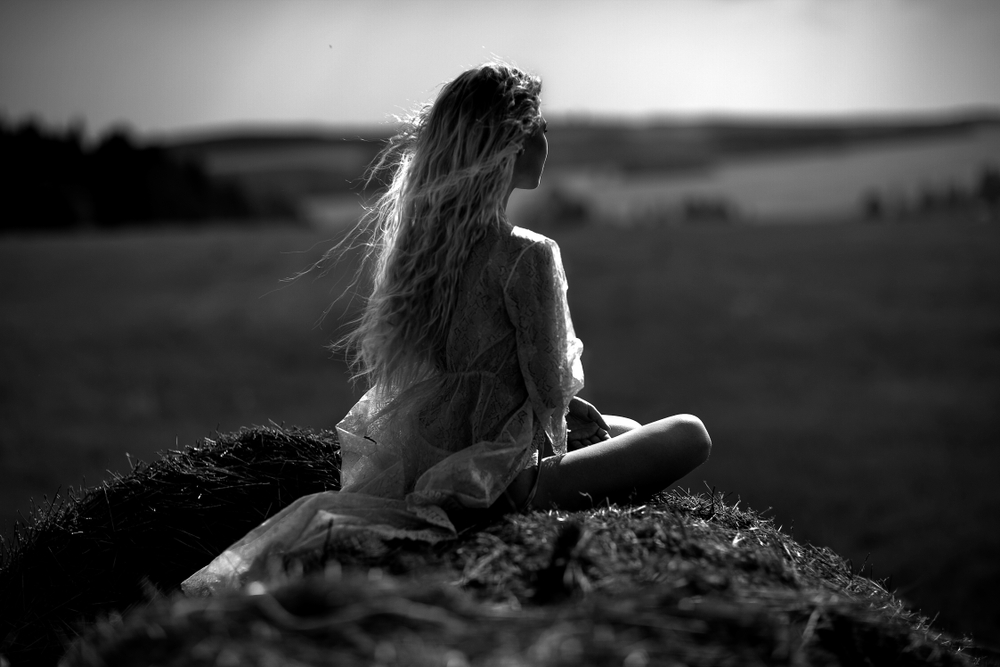
- Humanity’s relationship with nature — situating the body within landscapes or elements.
This doesn’t mean you need a novel-length backstory for every image. Sometimes the “story” can be as simple as “a quiet moment of self-reflection” or “the contrast between softness and harsh surroundings.” The important part is clarity.
Many photographers find it helpful to sketch or write down ideas ahead of time. Others create mood boards to align visual references. Having a clear sense of direction ensures that every choice you make — from lighting to posing — supports the story rather than distracts from it.
How Do Composition and Setting Shape the Story in Nude Art Photography?

Composition is one of the most powerful tools in storytelling. How you frame a subject determines not just what people see, but how they feel about it.
- Framing: A tight crop can create intimacy, while wide shots can emphasize isolation or vulnerability.
- Perspective: Shooting from below might give the model a sense of strength or dominance, while shooting from above might highlight fragility or softness.
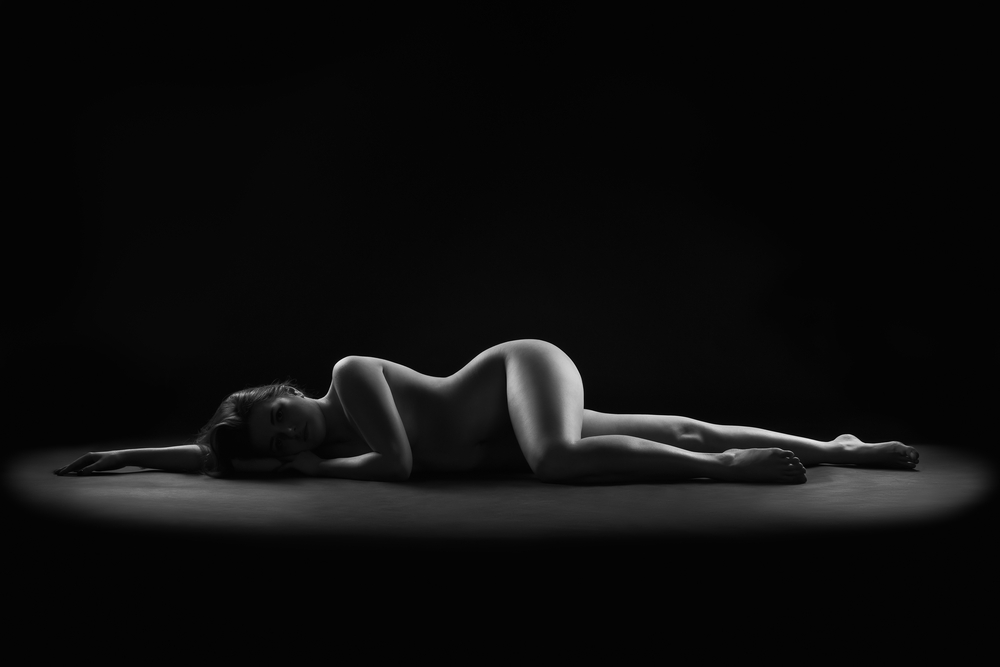
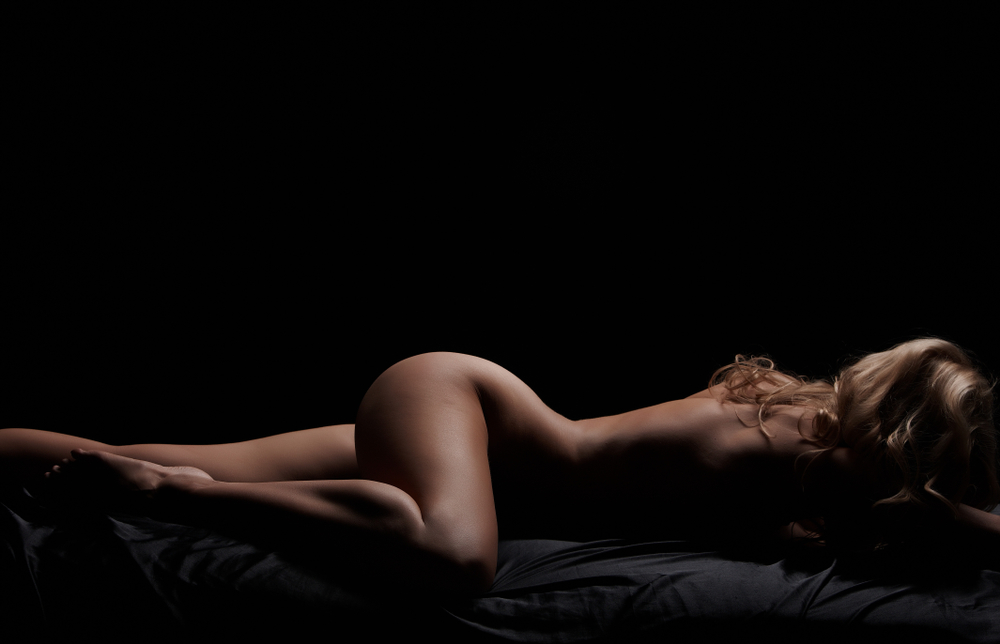
- Negative space: Empty areas around the subject can suggest loneliness, freedom, or introspection.
Setting plays an equally vital role. A body photographed in a studio against seamless paper tells a very different story than one captured in a forest or on a city street. A concrete wall might symbolize confinement or modernity, while a shoreline might suggest freedom, timelessness, or renewal.
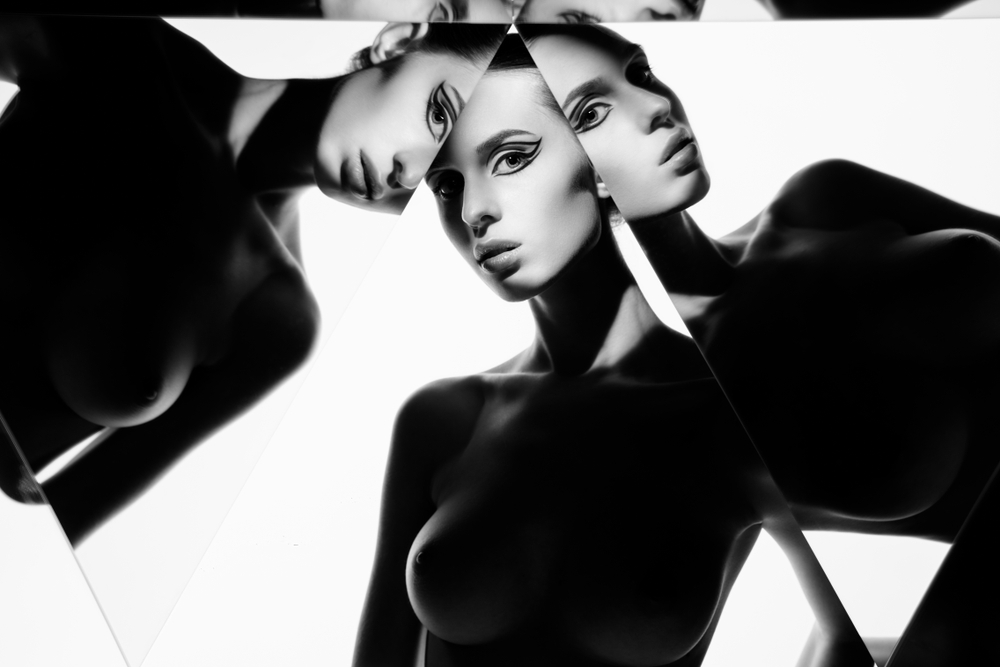
Even minimal props can help. A chair, a piece of fabric, or a mirror can act as narrative symbols without overwhelming the subject. The key is to make sure the environment and props enhance the story, not steal it.
How Does Lighting Function as a Storytelling Tool in Nude Photography?

Lighting is the language of mood. Subtle changes in light direction or quality can completely shift the story an image tells.
- Soft, diffused light (like window light or a softbox) creates tenderness, calm, or vulnerability.
- Harsh, directional light emphasizes drama, strength, or conflict.
- Chiaroscuro (light-dark contrast) can suggest inner struggle, secrecy, or mystery.
- Natural light adds symbolism — dawn can suggest beginnings, dusk can feel like closure, and mid-day light might evoke raw honesty.
Color also matters. Warm tones can feel intimate and inviting, while cooler tones suggest distance or melancholy. In storytelling, you’re not just lighting a body — you’re lighting the mood, the emotion, and the atmosphere.
How Do Posing and Expression Communicate Story in Nude Art Photography?
The body itself is the main narrator in nude art photography. Subtle shifts in posture can completely transform the message of an image.
- Curled or hunched poses may suggest fragility, fear, or introspection.
- Open, expansive poses communicate confidence, freedom, or power.
- Tension in the hands or feet can suggest struggle, while relaxed gestures imply ease or peace.
Facial expression matters just as much. A direct gaze at the camera can challenge or invite the viewer, while an averted gaze leaves more room for interpretation.
The most powerful poses often come from collaboration. Instead of dictating every movement, photographers who work with their models often capture more authentic and emotionally resonant images. Encouraging models to feel the emotion behind the story leads to genuine body language that no amount of technical direction can replicate. When working with male subjects, the emotional register and posing approach shift substantially — our nude male photography tips covers how to adapt these collaborative principles for the male form.
How Do Photographers Use Symbolism and Metaphor in Nude Art?
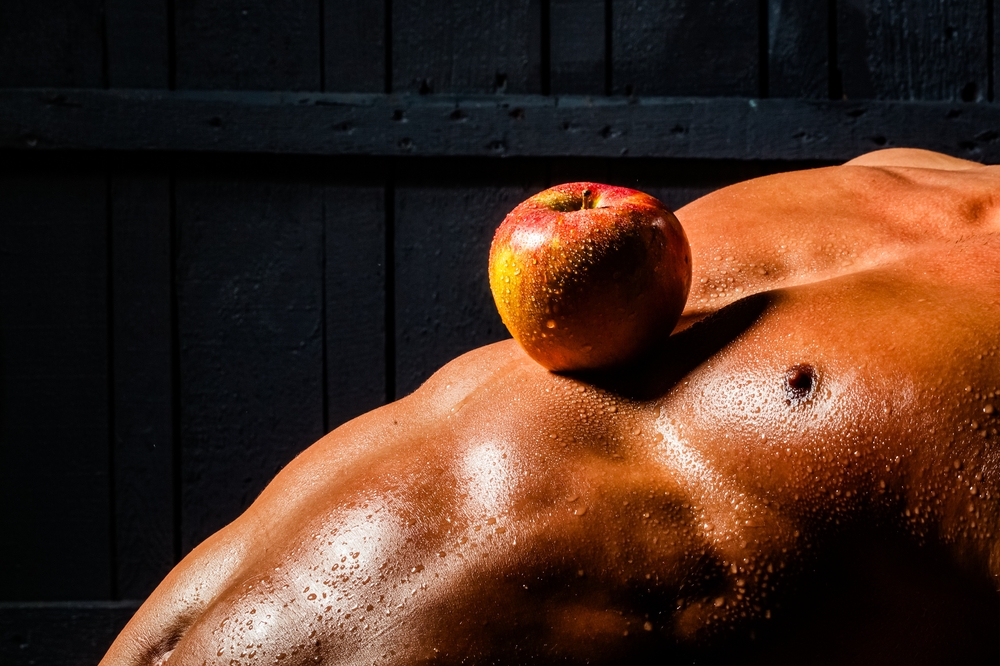
Stories don’t always need to be literal. Symbolism allows photographers to hint at meaning without spelling it out.
- Objects: An apple might suggest temptation, a veil might hint at mystery, a mirror could symbolize identity or self-reflection.
- The body itself: A nude figure lying on the ground can symbolize rebirth, while one in water might suggest cleansing or transition.
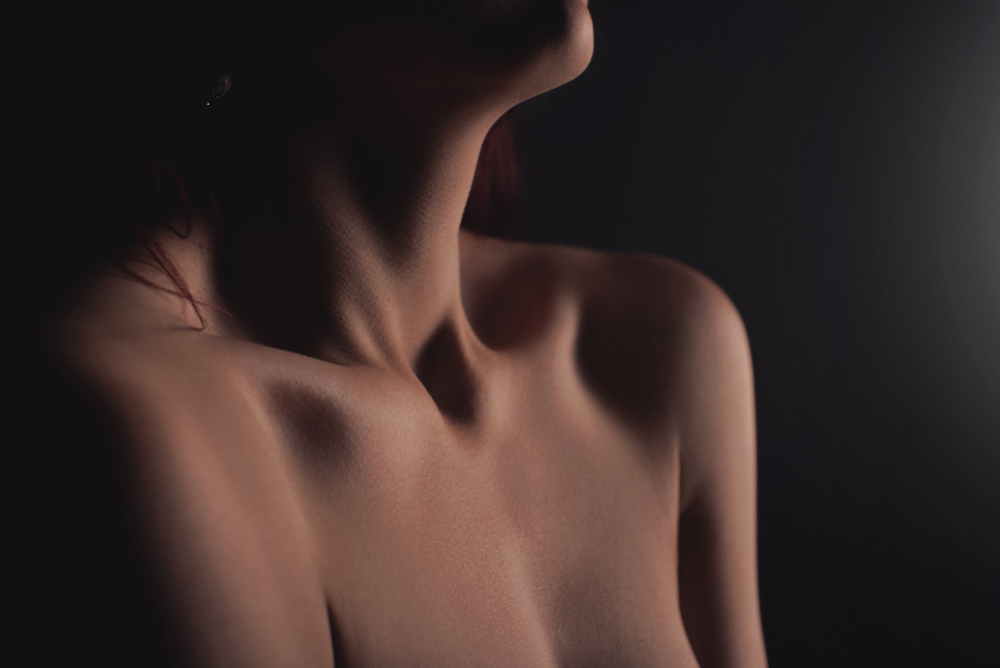
- Abstract approaches: Sometimes cropping or posing so that the viewer doesn’t immediately recognize the form can invite curiosity and multiple interpretations.
The challenge with symbolism is balance. Too obvious, and it feels heavy-handed. Too obscure, and the message gets lost. The sweet spot is when the symbolism enriches the image without overpowering it.
What Are the Ethical Responsibilities of Storytelling in Nude Photography?
Telling stories with the nude form carries added responsibility because the subject matter is so intimate.
- Consent goes beyond nudity. The model must also be comfortable with the story being told. A narrative about vulnerability might not feel right for every subject.
- Collaborate openly. Share the concept in advance, allow input, and be willing to adapt if something feels off.
- Respect boundaries. Even with a signed release, if a model expresses discomfort, pause and reassess.
- Consider cultural sensitivities. What may be seen as empowering in one context could be viewed differently in another.
The goal is not just to create powerful images, but to create them in a way that respects and honors the subject. This same care around consent and communication is central to related disciplines like boudoir photography, where the intimacy of the setting makes mutual trust even more essential.
How Does Editing Reinforce Storytelling in Nude Art Photography?
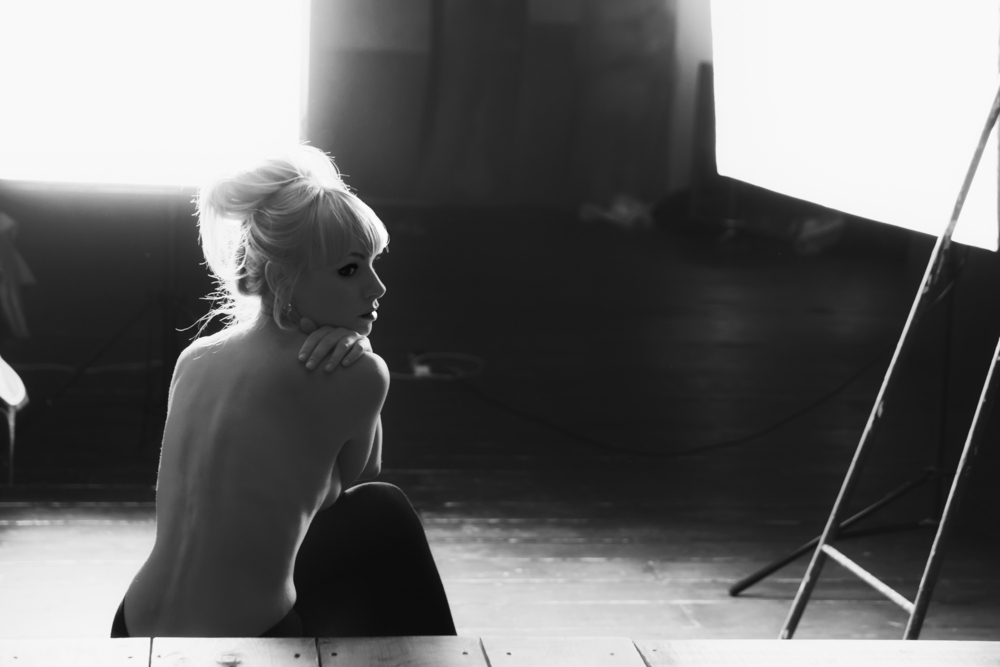
Post-processing is where the storytelling can either be reinforced or derailed.
- Tone and contrast can amplify mood — high contrast for drama, soft tones for intimacy.
- Color grading adds symbolic layers: warm sepia for nostalgia, cool tones for detachment.
- Sequencing in a series can expand storytelling, allowing viewers to follow a narrative arc across multiple images.
Presentation context matters: an image displayed in a gallery with thoughtful captions will be read differently than the same image shared on social media. Titles, captions, and artist statements also play a role — they can clarify or deepen the story without giving everything away.
| Technique | Best For | Mood Created | Difficulty |
|---|---|---|---|
| Lighting | Setting atmosphere and emotional tone | Soft = tenderness; harsh = drama; chiaroscuro = mystery | Beginner–Intermediate |
| Composition | Controlling emotional weight and viewer attention | Tight crop = intimacy; wide frame = isolation | Beginner |
| Posing | Expressing character and emotion through body | Curled = fragility; open = confidence | Intermediate |
| Symbolism | Adding layered meaning and depth | Depends on symbol — mirrors, water, objects | Advanced |
Inspiring Examples and Case Studies
Throughout history, many photographers have used storytelling to distinguish their nude art:
- Edward Weston: Known for his natural, sculptural nudes, Weston used simplicity to tell stories about humanity’s connection to the organic world.
- Ruth Bernhard: Her carefully lit, elegant nudes turned the body into a timeless sculpture, often telling stories of strength and resilience.
- Robert Mapplethorpe: His bold work explored identity, sexuality, and power, often sparking both admiration and controversy. His storytelling was unapologetic, confronting viewers directly.
- Contemporary photographers: Many modern practitioners are incorporating inclusivity and body positivity, telling stories that celebrate diversity, identity, and empowerment in ways past generations rarely did.
What these artists share is intention. Their images weren’t just about the body — they were about what the body could say.
Nude Art is Powerful
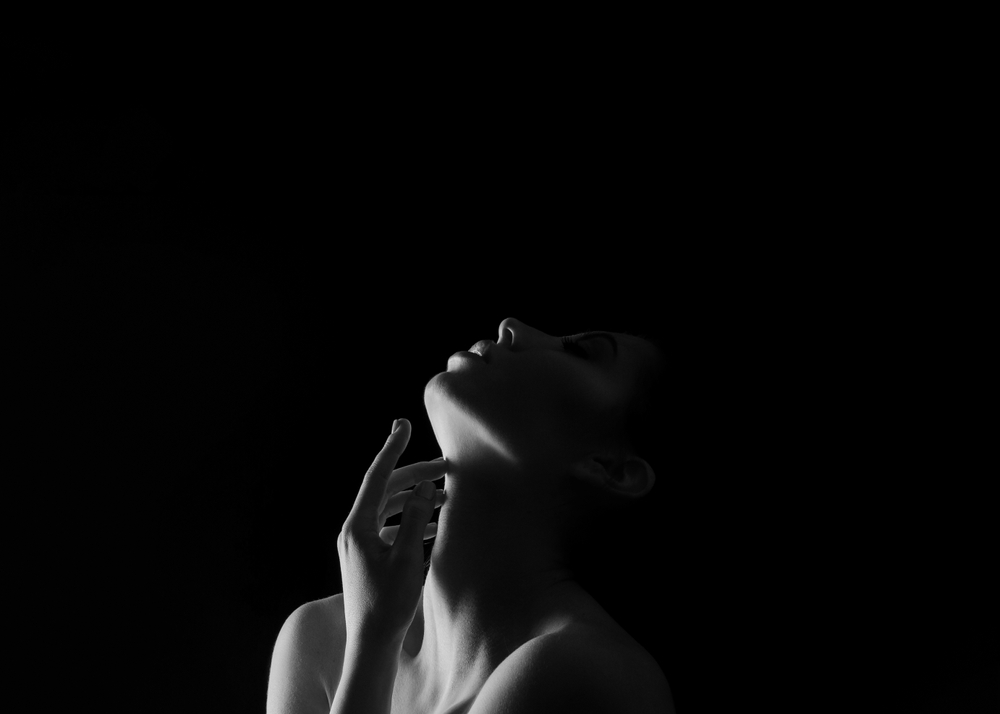
The human story sits at the heart of nude art photography. The body, stripped of clothing and context, becomes one of the most powerful tools for communication we have. Through light, pose, setting, and symbolism, photographers can tell stories that resonate across cultures and generations.
But with that power comes responsibility. The best storytelling in nude art photography happens when the process is collaborative, respectful, and deeply intentional.
When done well, nude art photography stops being just a picture of a body. It becomes a story — of strength, of vulnerability, of humanity itself. And those stories are the ones that endure, reminding us that art isn’t just what we see. It’s what we feel and remember.
FAQs
What is nude art photography?
Nude art photography is a genre built around intention and narrative. While any photograph can capture a body, nude art photography uses that body to communicate something deeper — a feeling, a theme, an idea. The storytelling dimension is what separates it from simple figure photography: every element, from the quality of light to the tension in a pose, is chosen to serve a larger meaning. The result is an image that says something, not just shows something.
Is nude art photography appropriate for all audiences?
Nude art photography is intended for mature audiences and is typically showcased in galleries, exhibitions, fine art books, or private collections. Its appropriateness depends on context, cultural norms, and the intended audience. It is distinct from explicit or pornographic imagery — the focus is on artistic expression, not titillation.
How do photographers ensure ethical practices?
Ethical nude photography starts well before the shoot. Photographers should share the creative concept with models in advance, invite honest feedback, and establish clear boundaries in writing. During the session, checking in regularly — and stopping immediately if a model signals discomfort — is non-negotiable. Signed model releases should specify exactly how and where images will be used. Ongoing respect for the subject’s privacy and autonomy doesn’t end when the shutter clicks.
What are common storytelling techniques in nude art photography?
The most effective storytelling techniques involve layering decisions rather than relying on any single element. Photographers combine lighting quality (soft for tenderness, harsh for drama), compositional choices (negative space for isolation, tight framing for intimacy), deliberate posing (open gestures for strength, curled forms for vulnerability), and symbolic props or settings. When these elements point in the same direction, they reinforce each other and the narrative becomes unmistakable.
Do I need professional equipment to get started?
No. Storytelling and compositional intent matter far more than camera specifications. Understanding how light wraps around a form, how framing changes emotional weight, and how posture communicates feeling — these skills translate across any camera system. Many compelling narrative nudes have been made with natural window light and a basic camera body. Invest first in developing your visual language; upgrade equipment when your vision genuinely outpaces your tools.
How can I protect the privacy of models?
Protecting model privacy means treating image security as seriously as the shoot itself. Store files on encrypted drives, watermark images shared for review, and obtain explicit written permission before publishing or distributing any photograph. Be transparent about every platform or outlet where images may appear, and honor any conditions a model places on usage. Trust, once broken in this context, is rarely recovered.
Can nude art photography be done outdoors?
Yes, and natural environments often add narrative depth that a studio cannot replicate — a forest suggests primal connection, a shoreline evokes transition, an urban setting introduces tension between the body and the built world. That said, outdoor shoots require careful planning: verify local laws on public nudity, scout locations for unwanted foot traffic, and discuss model comfort with changing temperatures, terrain, and exposure. Having a private changing area and a plan for unexpected interruptions is essential.

