


Boudoir Photography Tips
So, you want to break into boudoir photography?
Unfortunately, it’s a little more complex than just making sure your models can pose in a sexy manner all the while wearing little clothing.
You need to think about everything from the gear you use to the purpose of the photoshoot to the manner in which the model is posed. It’s a lot to digest!
To help you out, we’ve put together the following boudoir photography tips.
Table of Contents
- Boudoir Photography Defined
- Boudoir Camera Equipment
- Lens Recommendations
- Accessories
- Boudoir Posing and Composition
- Camera Settings
- Make the Model Feel Comfortable
- How to Pose Hands
- FAQ
What Is Boudoir Photography?
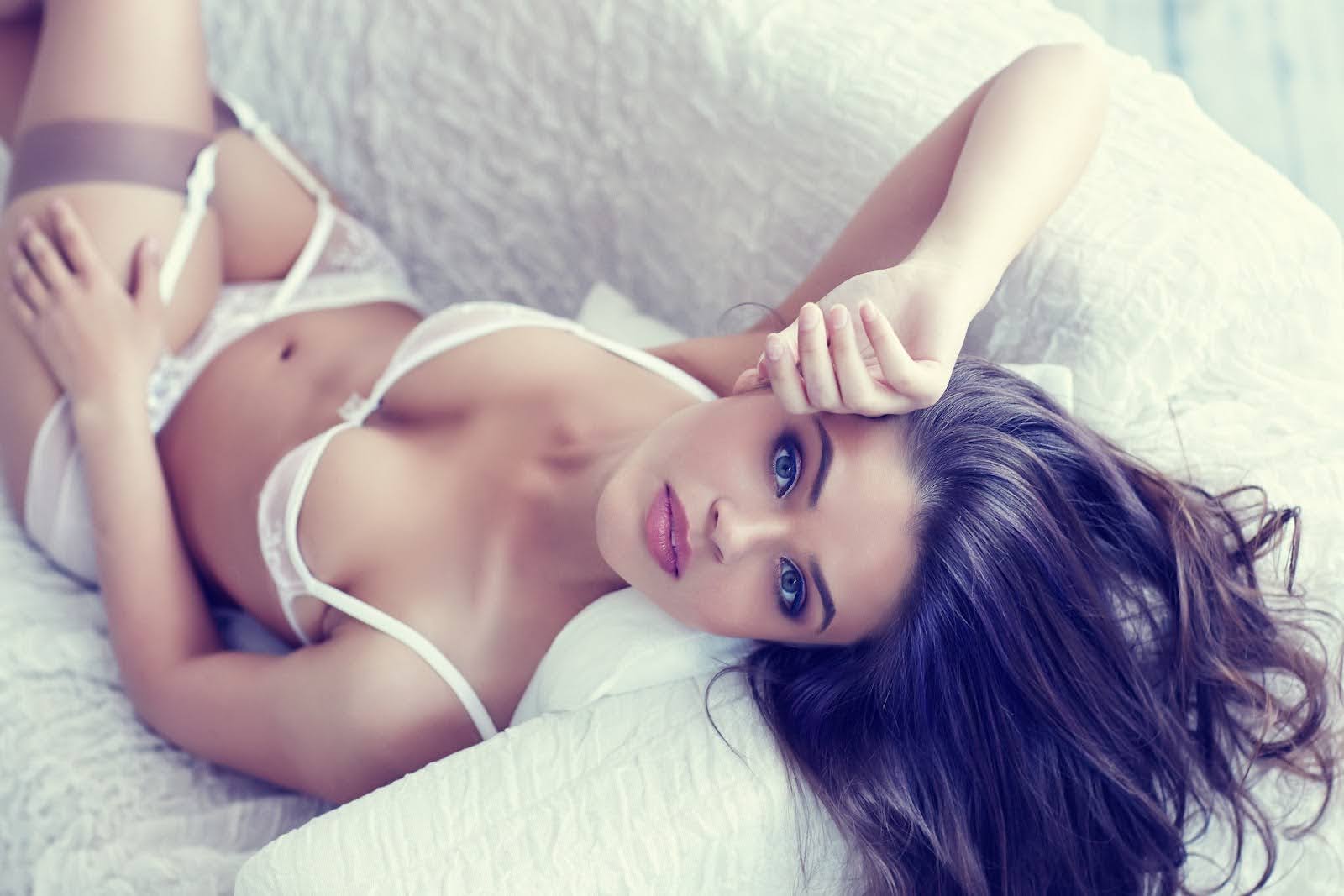
Boudoir photography is a type of photography that has been around ages — kind of like nude art photography — but it has grown to be extremely popular in the last few years.
While many times you will find yourself shooting boudoir for a woman’s partner (say around her wedding day), many women are also reclaiming the art of seduction through boudoir photography and having sessions done for themselves.
Some women believe that feeling sensual for nobody but themselves is empowering and that boudoir photography helps them to love their bodies more.
Typically, boudoir photography is about looking candid and laid back (unposed), and you will usually begin a boudoir shoot with the model completely dressed and work your way down to implied nude shots. If you want a broader foundation before jumping in, our nude photography guide covers the core principles — consent, ethics, lighting, and more — that apply directly to boudoir work as well.
Boudoir photography is provocative but in a PG-13 way. Models should feel at home during the shoot because boudoir photography is about getting the model to be as playful as possible.
Boudoir is all about the model’s body — celebrating it, full stop. The same respect for the subject carries into the male form — if you photograph male nudes as well, our guide to nude male photography explores how posing, lighting, and comfort dynamics differ from boudoir and female figure work.
What Camera Equipment Do You Need for Boudoir Photography?
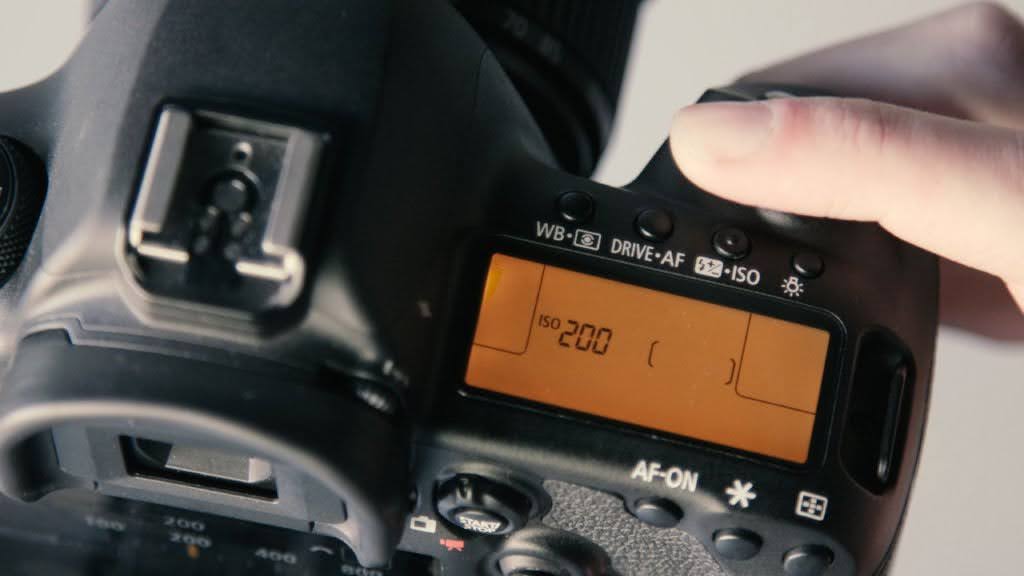
Unless you are starting a full-fledged boudoir photography company, there’s no reason to go out and buy yourself an entirely new camera for one boudoir shoot.
Using a camera you are comfortable with is more than half the battle, anyway.
Besides, you can take beautiful boudoir photos with any type of camera — a smartphone, an entry-level DSLR, a full frame mirrorless… you name it.
It’s not what camera you have that makes a difference — it’s what you do with it.
Ultimately, what will likely determine the camera you use for boudoir photoshoots is your budget. Something like a Canon EOS R5 Mark II will cost far more than a Nikon D3500, but as noted above, that doesn’t mean excellent shots can’t be had with a cheaper, entry-level rig.
What Are the Best Lenses for Boudoir Photography?
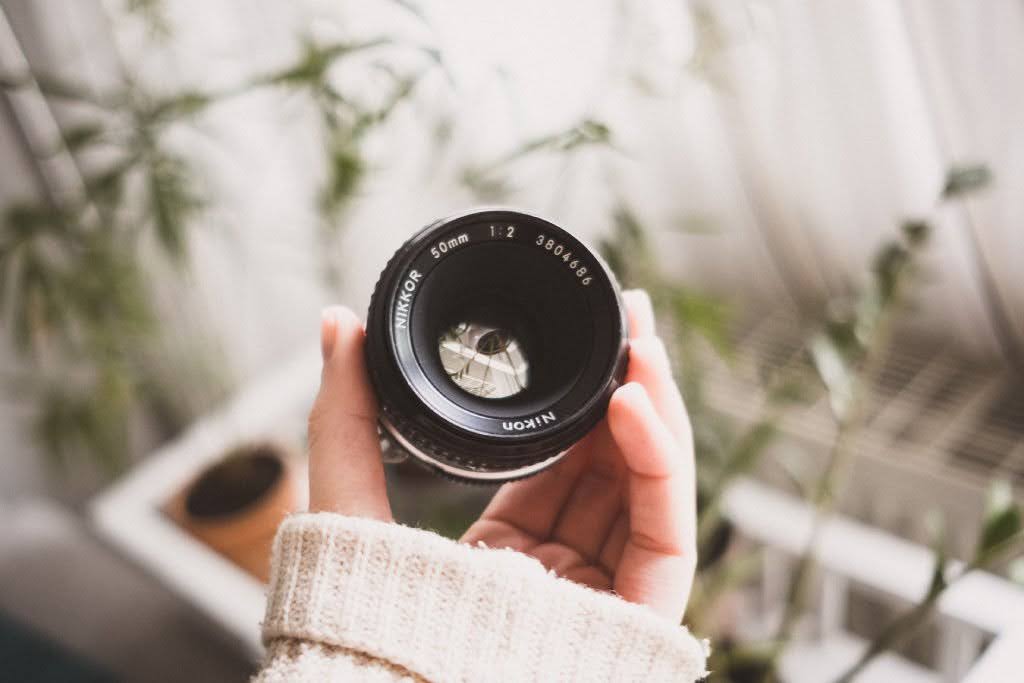
Honestly, the most important piece of boudoir photography gear is the lenses you use.
When learning a new type of photography, there’s no substitute for learning from the best — which is how I stumbled across Rachel Stephens. Stephens is a boudoir photographer who makes over $350,000 per year on individual client sales and books around 500 boudoir shoots per year. She did a tell-all covering everything she brings to a shoot — her boudoir photography essentials.
Stephens recommends three types of lenses:
- A macro lens
- A wide-angle lens (like a 24mm or wider on a crop sensor camera)
- A traditional 50mm
The 50mm handles traditional portrait shots, while the macro lens captures intimate details — a woman’s lips, her eyes, or the way her bra lifts her breast. The wide-angle lens is for shots that give the image enormous depth:
Though using a wide-angle lens for portraits is not terribly common, a wide-angle view adds depth that most competitors won’t bother with. High fashion photographers use this technique to highlight the model’s surroundings, and it translates beautifully to boudoir. Chairs, beds, and mirrors become part of the composition rather than just props.
What Accessories Should You Bring to a Boudoir Photography Session?
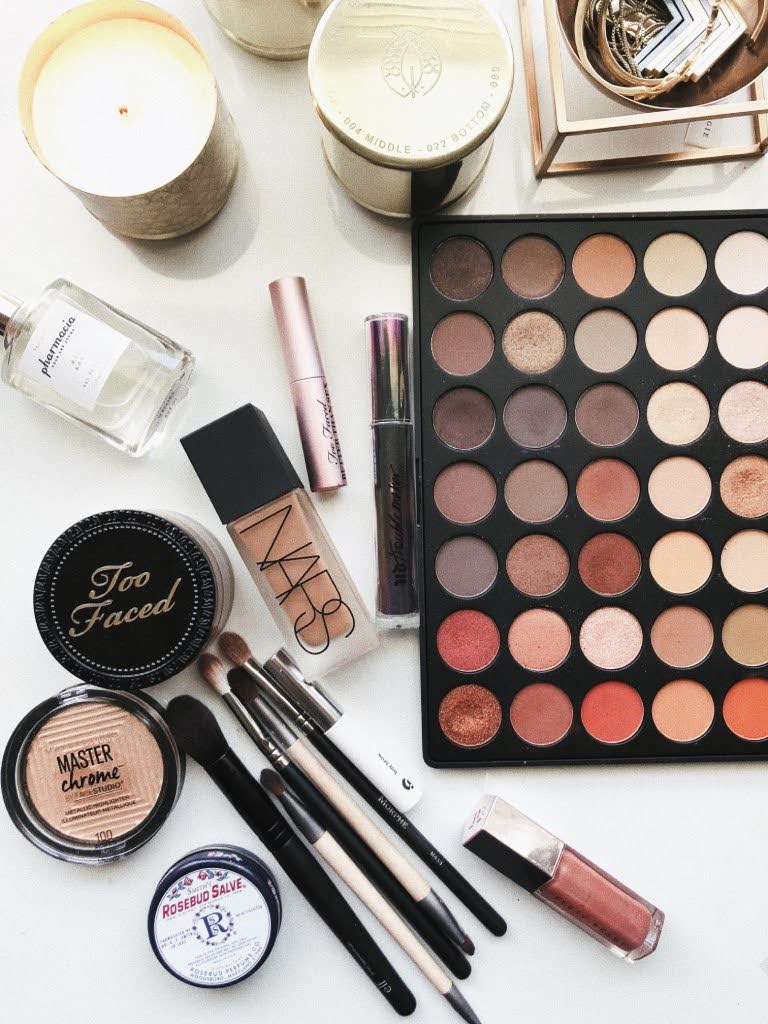
Your client is arriving in thirty minutes. Here’s a boudoir photography gear checklist so you don’t need to interrupt the shoot for anything:
- Your camera, a backup camera, and charged batteries
- Memory cards and backup memory cards
- Lens options
- Makeup kit and accessories (more on this below)
- Water, snacks, maybe a little champagne
- Shot list
- Step stool for high shots
Boudoir photography gear is unique because you’re trying to make your client feel comfortable in a vulnerable setting. For most clients, this will be their first time posing semi-nude or implied nude — even experienced models can have body image concerns. Being prepared defuses anxiety before it starts.
Keep a makeup checklist stocked and ready:
- Setting spray
- Lash adhesive
- Brown and black false eyelashes
- Powder
- A high-definition super palette (so no skin tones are left out)
- Double-sided fashion tape
- Baby wipes
Remind your client to bring any makeup she applied earlier in the day for touch-ups. Have disposable slippers in the studio so her feet stay clean between shots and costume changes.
Also: despite every reminder, you will absolutely encounter a model who shows up having skipped a meal and starts to feel faint. Stock snacks. As for loosening up — champagne works. Turn on music, and better yet, encourage clients to bring their own playlist. There’s nothing like a favorite song to shake off nerves and get someone feeling like themselves.
What Are the Best Poses and Composition Tips for Boudoir Photography?
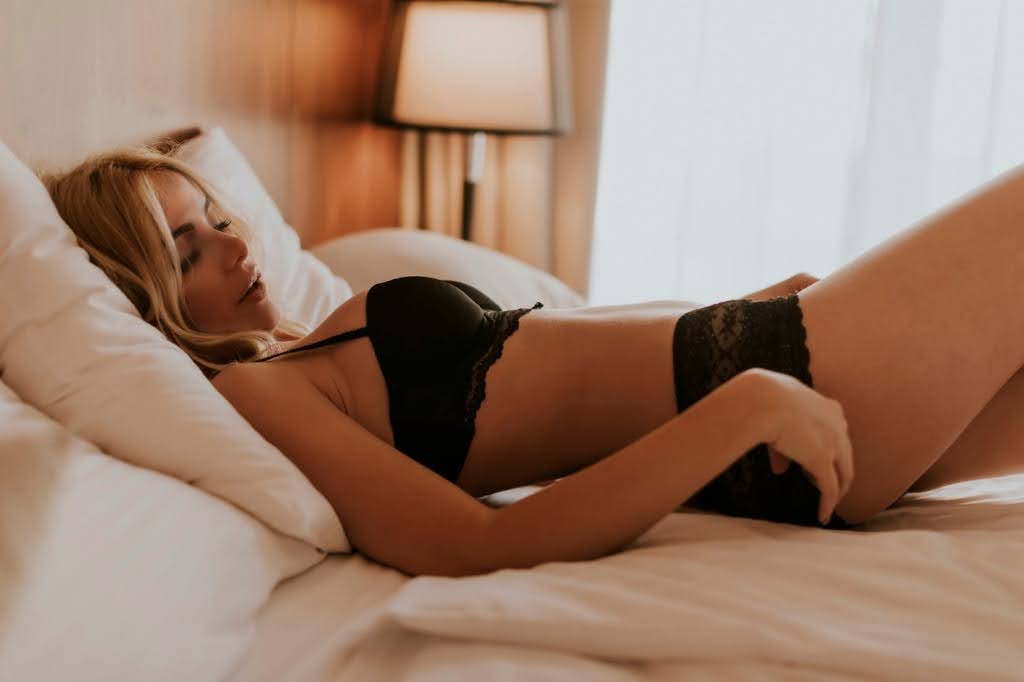
Before diving into specific poses, know this: practice them yourself before you have a model in the studio. You need to be able to explain exactly what each pose does for a specific part of the body, so your model can be just as excited about it as you are. You also need to be able to redirect someone without touching them (unless you have explicit consent).
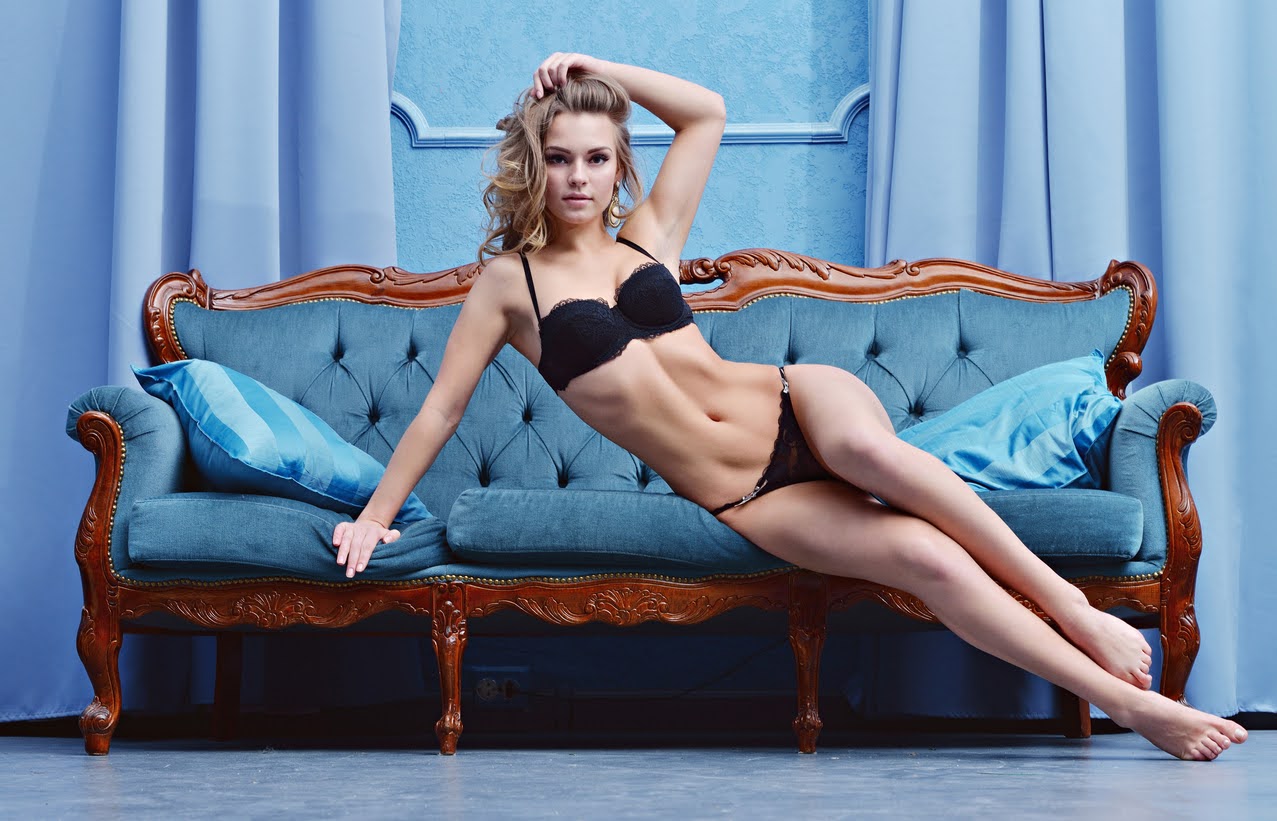
Bent Legs
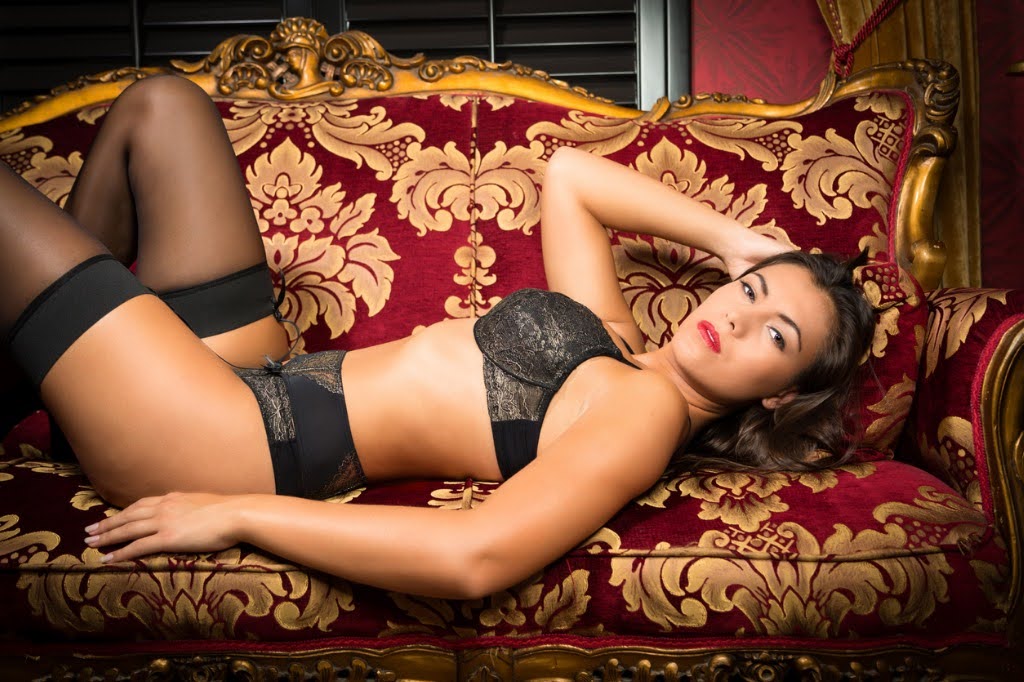
The bent legs shot is one you’ve definitely seen before — it reads as sensual and also works beautifully to conceal any part of the torso a model feels self-conscious about.
During this pose, instruct the model to put one or both arms up behind her head. This evens out the chest and creates a naturally confident line. Because this shot is explicitly sexual, don’t lead with it — work up to it as comfort builds.
Legs in the Air
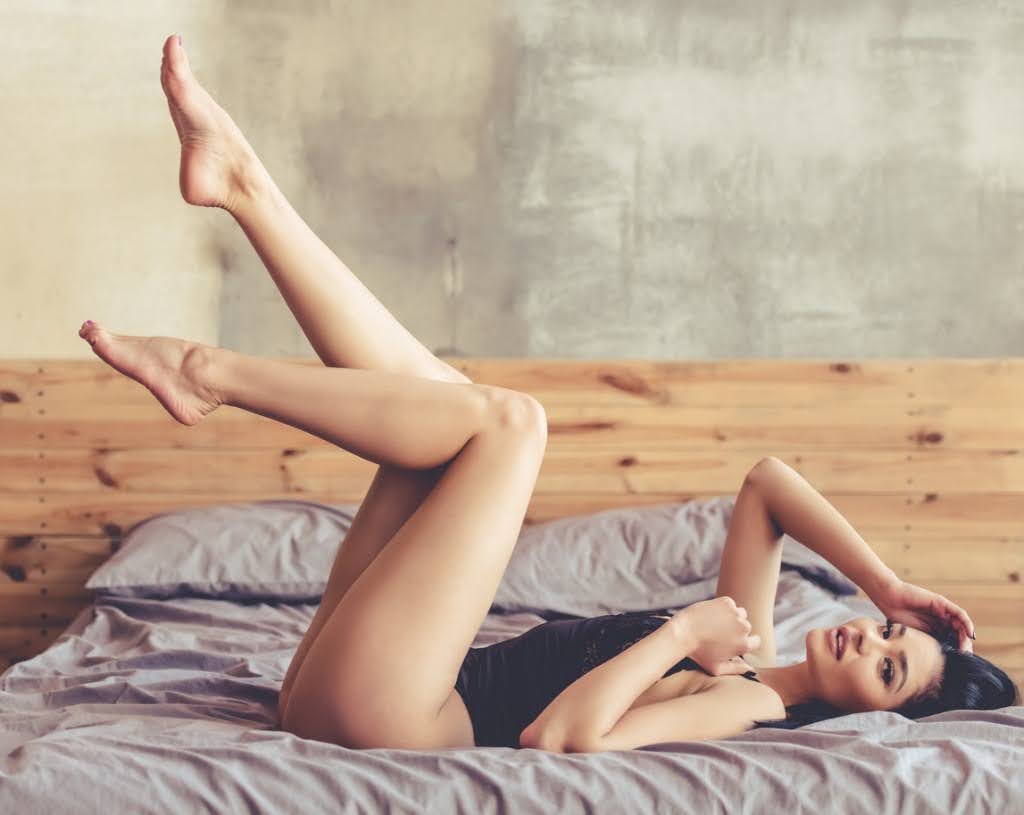
The legs-in-the-air shot is a variation on the bent legs pose. Stretched legs look great on virtually every body type, and this angle lets you shoot from multiple positions without asking the model to move. Play with your own position to get several distinct images from a single setup.
Shy Poses
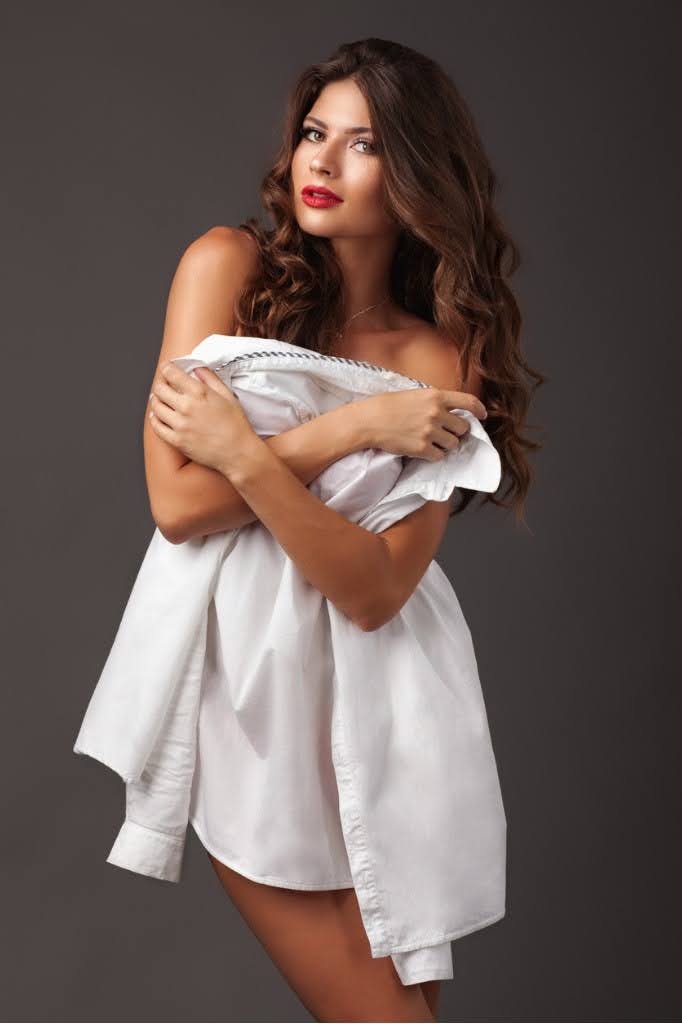
If a model is uncomfortable, ask her to giggle. It reads as innocent and often matches her personality far better than an overtly sexual pose would.
Another approach for shy subjects: tell her not to look at the camera and instead look down or off to the side. Reducing eye contact often reduces tension. Implied nudity — where she strips down and covers with a sheet, shirt, or pillow — also works extremely well with a timid expression. The vulnerability in the face complements the vulnerability of the pose.
Take Your Bra Off
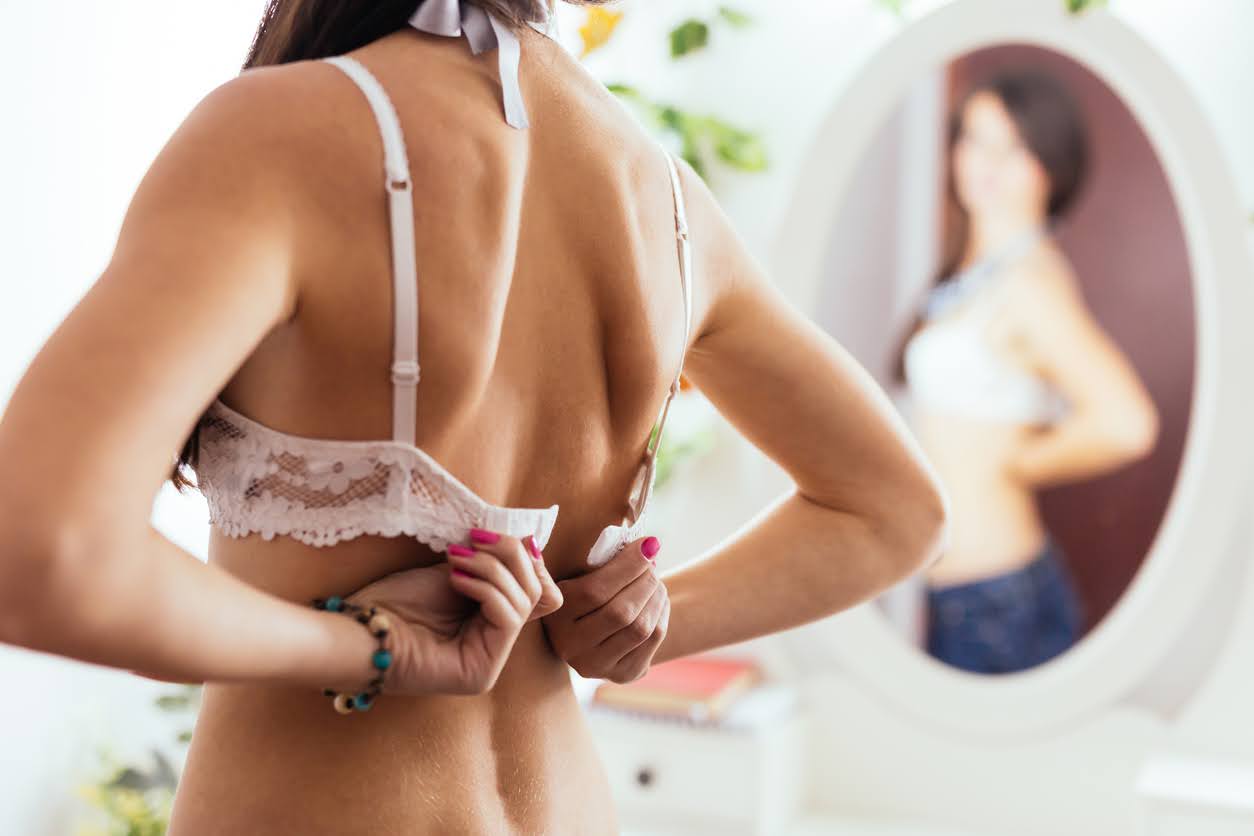
This is something women do every day anyway. It’s a “pose, but not a pose” — natural movement that reads as effortlessly real. You can add a mirror, like in the shot above, to direct the viewer’s eye to the front of her chest. It creates an almost voyeuristic quality that feels intimate rather than staged.
Not only is it sexy, but it’s one of the most disarming setups you can use with a self-conscious client — natural movement beats formal pose direction every time.
| Type | Mood | Cost | Difficulty | Best For |
|---|---|---|---|---|
| Natural Light | Soft, intimate, authentic | Very low | Beginner-friendly | First-time shoots; natural feel |
| Strobe (Flash) | Crisp, controllable, dramatic | $300–$2,000+ | Intermediate | High volume; consistent results |
| Continuous (LED) | Warm, moody, WYSIWYG | $100–$800 | Beginner–Intermediate | Video hybrid; learning to shape light |
What Camera Settings Work Best for Boudoir Photography?
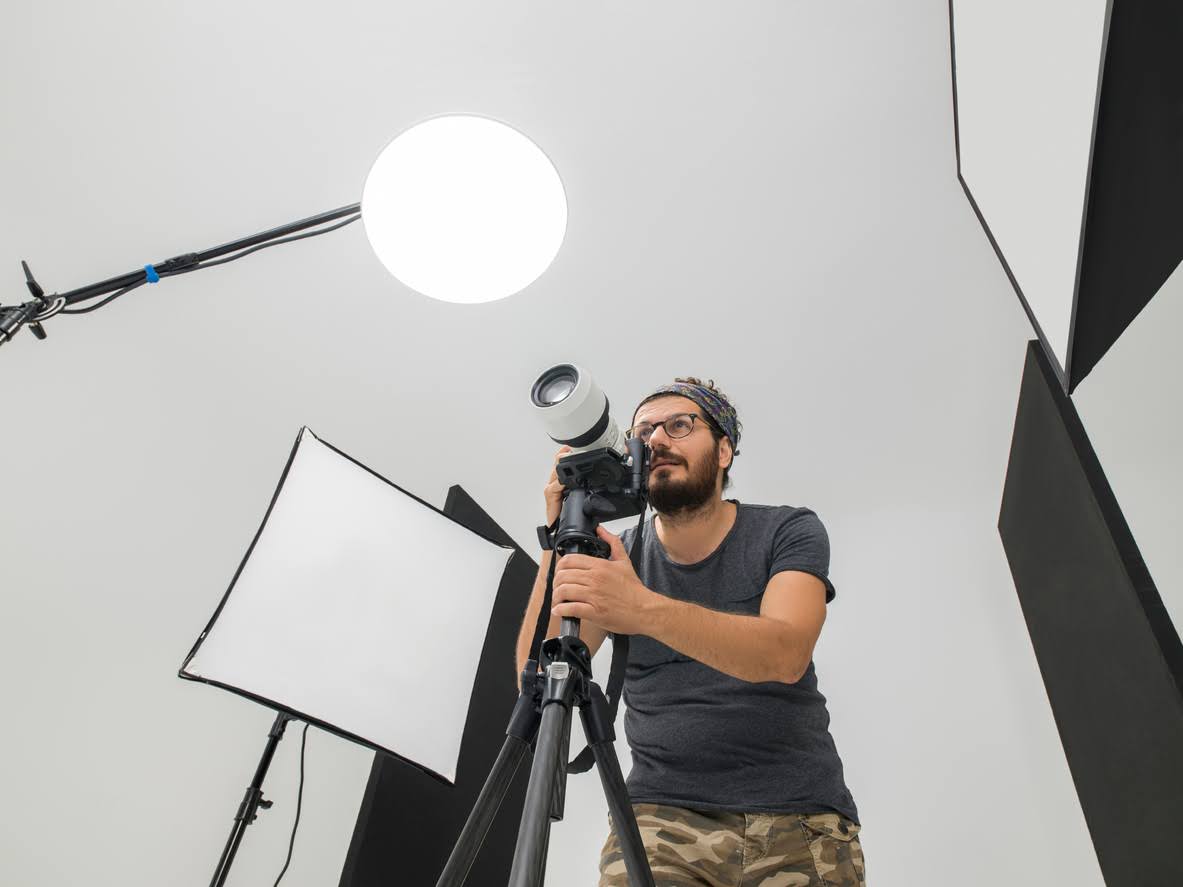
Most boudoir photographers shoot in aperture priority mode. This lets you control depth of field directly while the camera handles shutter speed — simplifying the exposure equation so you can focus on your subject.
White Balance
With so much happening in each shot, auto white balance is a practical default. You can correct white balance in post-processing far more easily than you can redo a session. The one exception: if your model is wearing or sitting against white, blue, or green, those colors will cast onto her skin. Switch to a manual white balance preset in those situations.
Metering
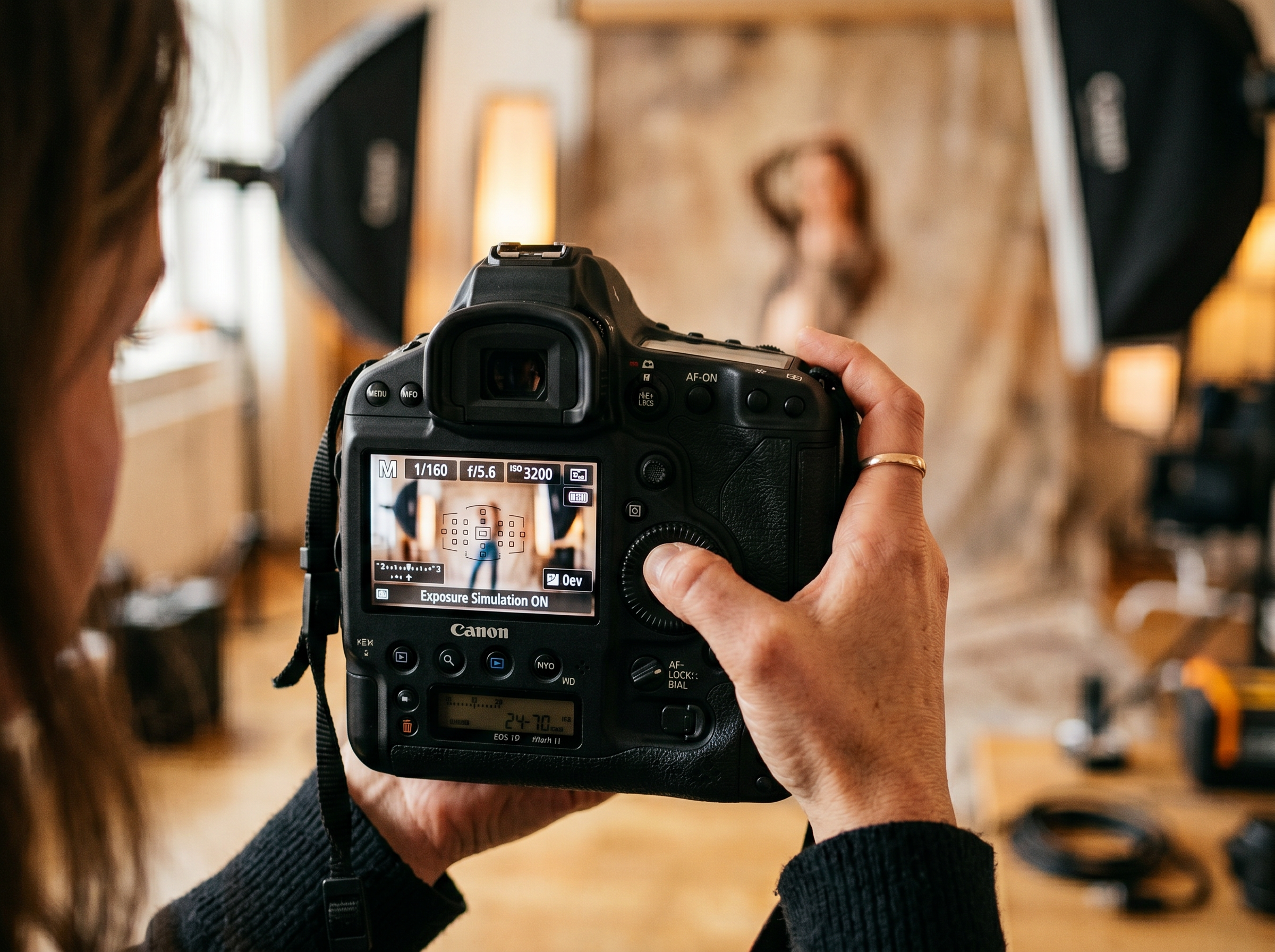
Multi-segment metering works well in most boudoir situations — your camera is good at this. Reserve spot metering for backlit scenarios where the camera would otherwise expose for the background and lose your subject.
Focusing
Always use autofocus for portrait-oriented boudoir shots. Set a single autofocus point (most often the model’s eye, but sometimes a body part if her face isn’t in frame) and use center or off-center positioning to lock sharp focus where it counts.
How Do You Make a Boudoir Photography Client Feel Comfortable?
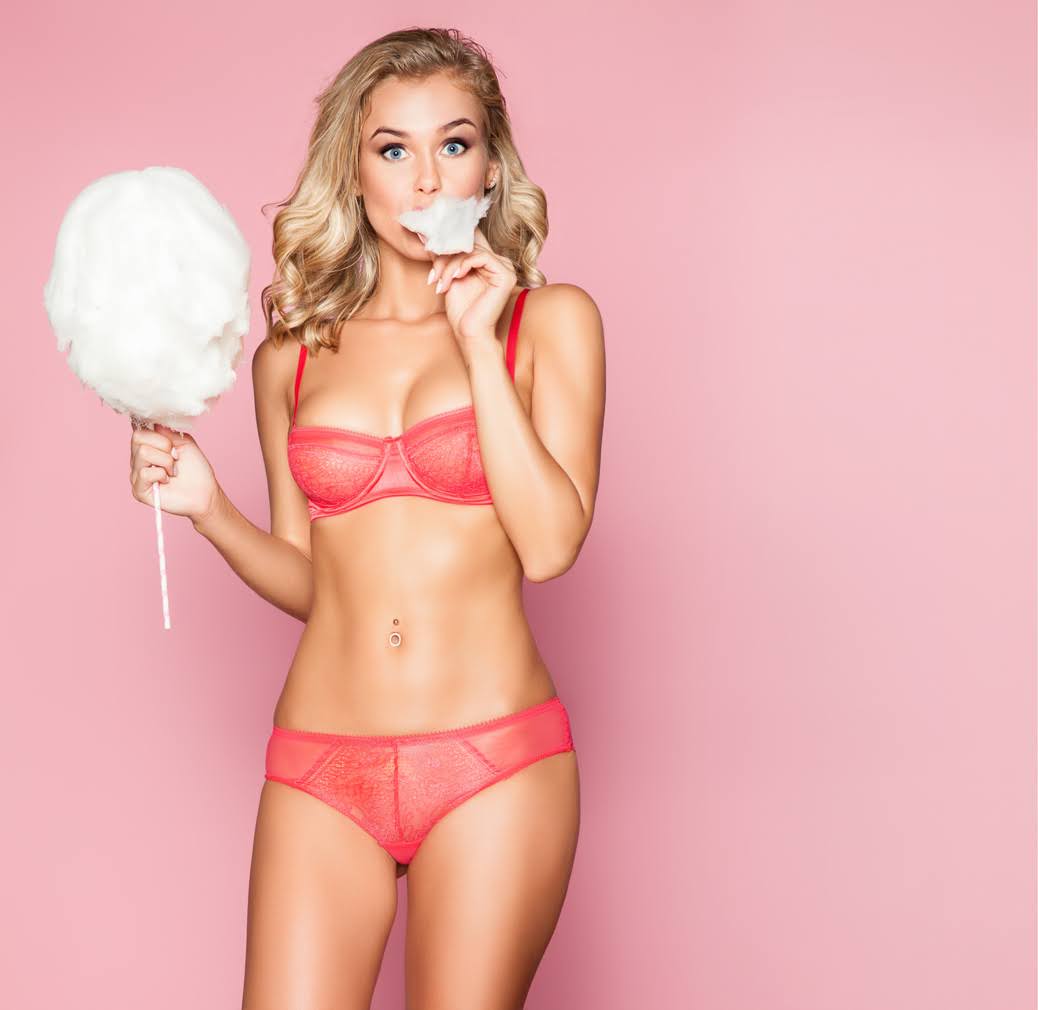
Boudoir photography is playful, but shots come off as creepy the moment a model looks uncomfortable. The entire genre depends on genuine ease in front of the camera — your job is to create the conditions for that.
Don’t Touch Without Asking
Before the shoot, send an email asking the model where and whether she is comfortable being touched. Never adjust posing without explicit consent. If you need her shoulder moved, ask verbally. If the pose still isn’t right, ask permission before any physical adjustment.
Every model has had an uncomfortable encounter with a photographer who pushes past boundaries. Establishing clear expectations upfront is how you ensure clients return and refer others.
Use Her Perspective
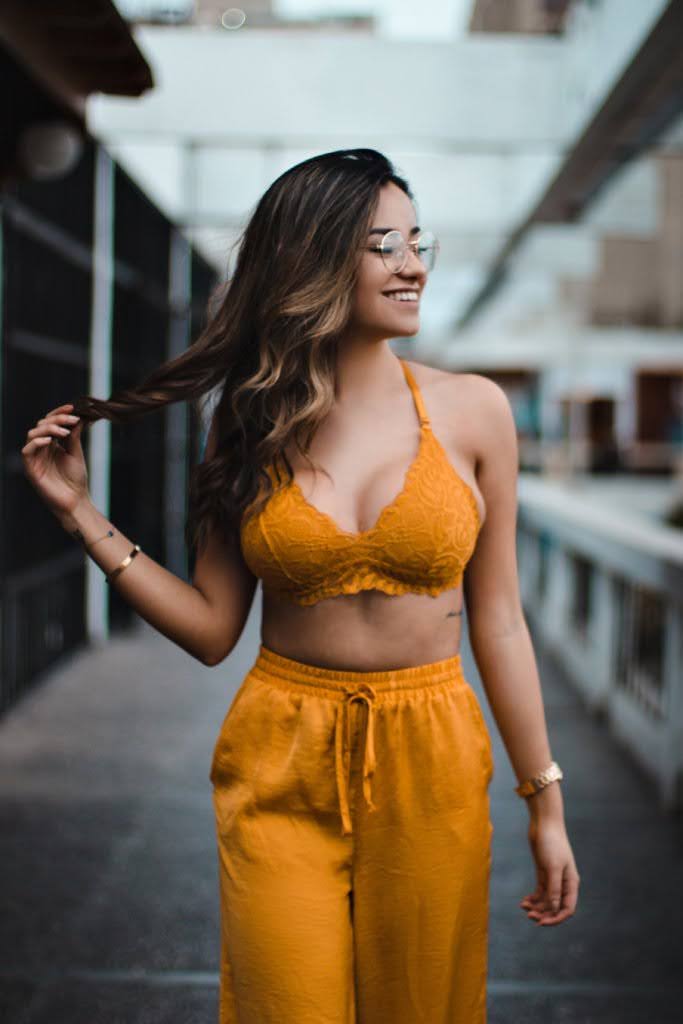
Shoot from the model’s perspective. Are there parts of her body she’d rather you not focus on? Ask. What parts make her feel great? Let those drive your shot list. Boudoir photography tips are only useful if you’re actually listening to the reasons your model is there.
Capture Her Essence
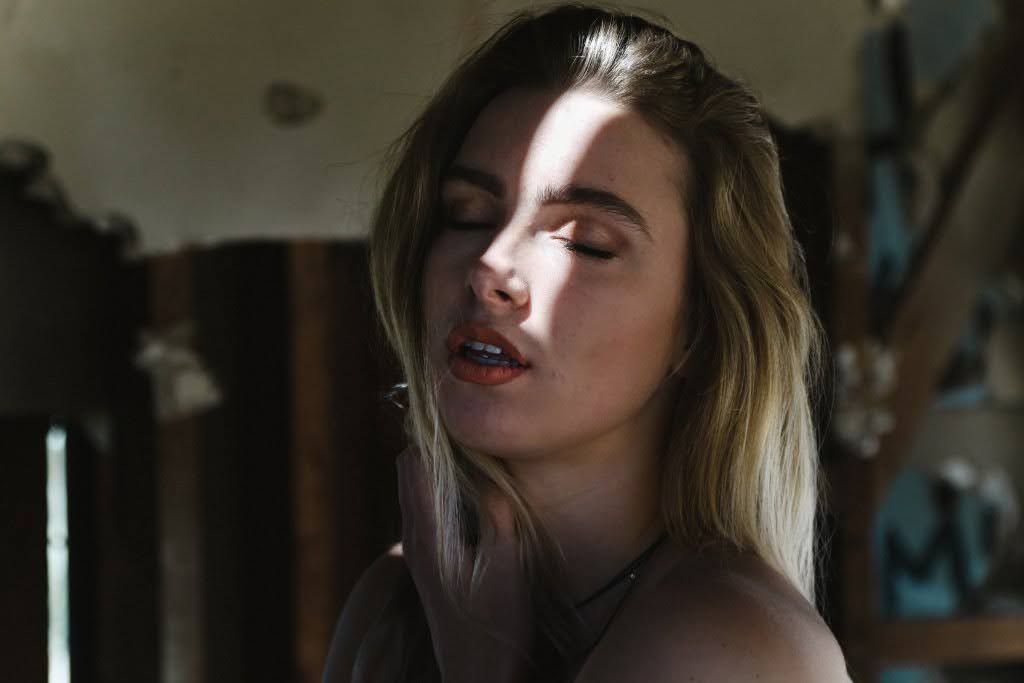
You’ll start to understand your model’s personality through the correspondence leading up to the shoot and the small talk before it begins. If she’s shy, lean into that in the images. If she’s openly playful, use that energy. Real movement — a genuine laugh, a wink, a hair tuck — creates the kind of emotional resonance that separates good boudoir from great boudoir. This is where storytelling through nude art becomes practically relevant: every frame should convey something about who this person is, not just how they look.
Cue real reactions: put on a comedy special, ask her to wink at the camera, or play her favorite song. Authentic moments are far more compelling than any perfectly executed formal pose.
How to Pose Hands
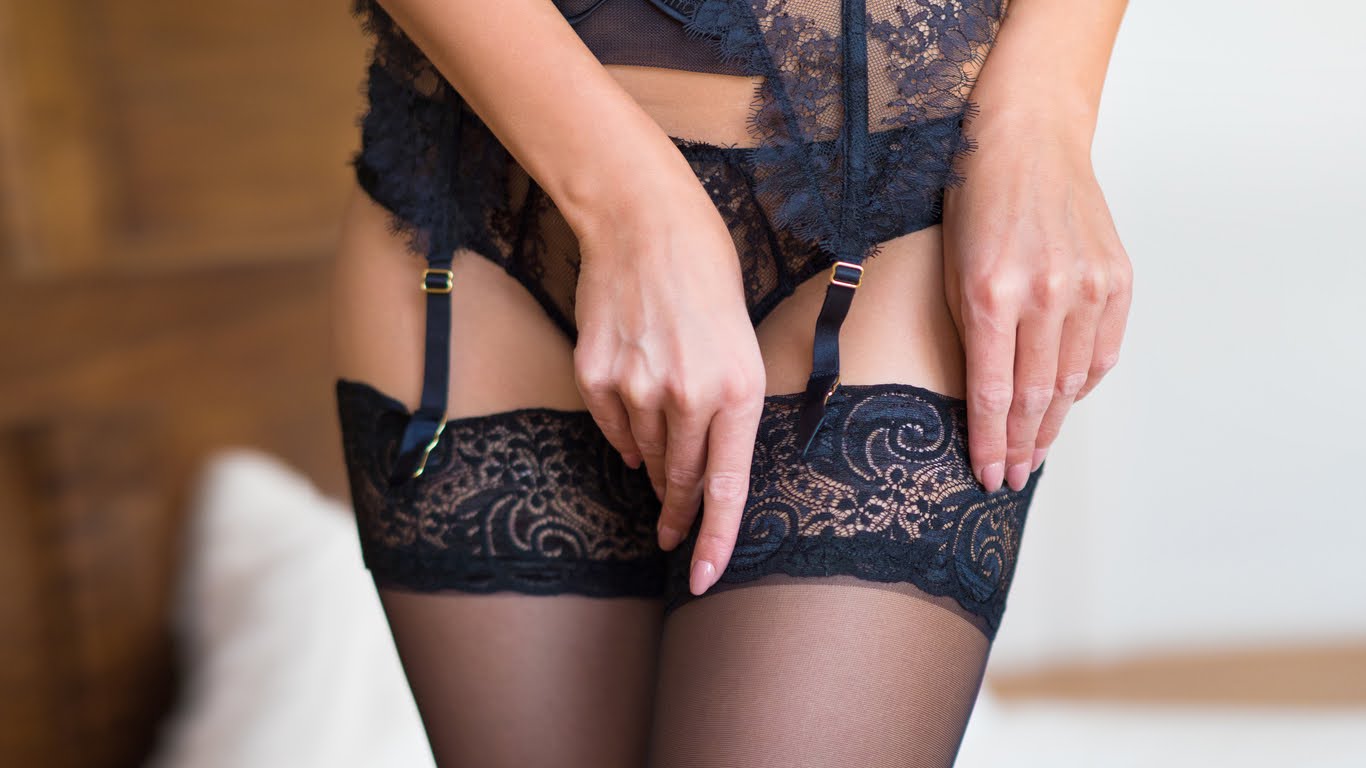
Hands trip up a lot of boudoir photographers — not because they’re hard to work with, but because they haven’t been studied enough. Done right, hands convey playfulness and sensuality that no other body part can replicate.
If It Bends, Bend It
This rule applies to the whole body during a boudoir shoot, but especially to the hands. Bend wrists, elbows, and fingers in every shot. Rigid, fully-extended limbs look posed and stiff. Boudoir is about natural movement — hands should reflect that.
Pretend You’re a Baby
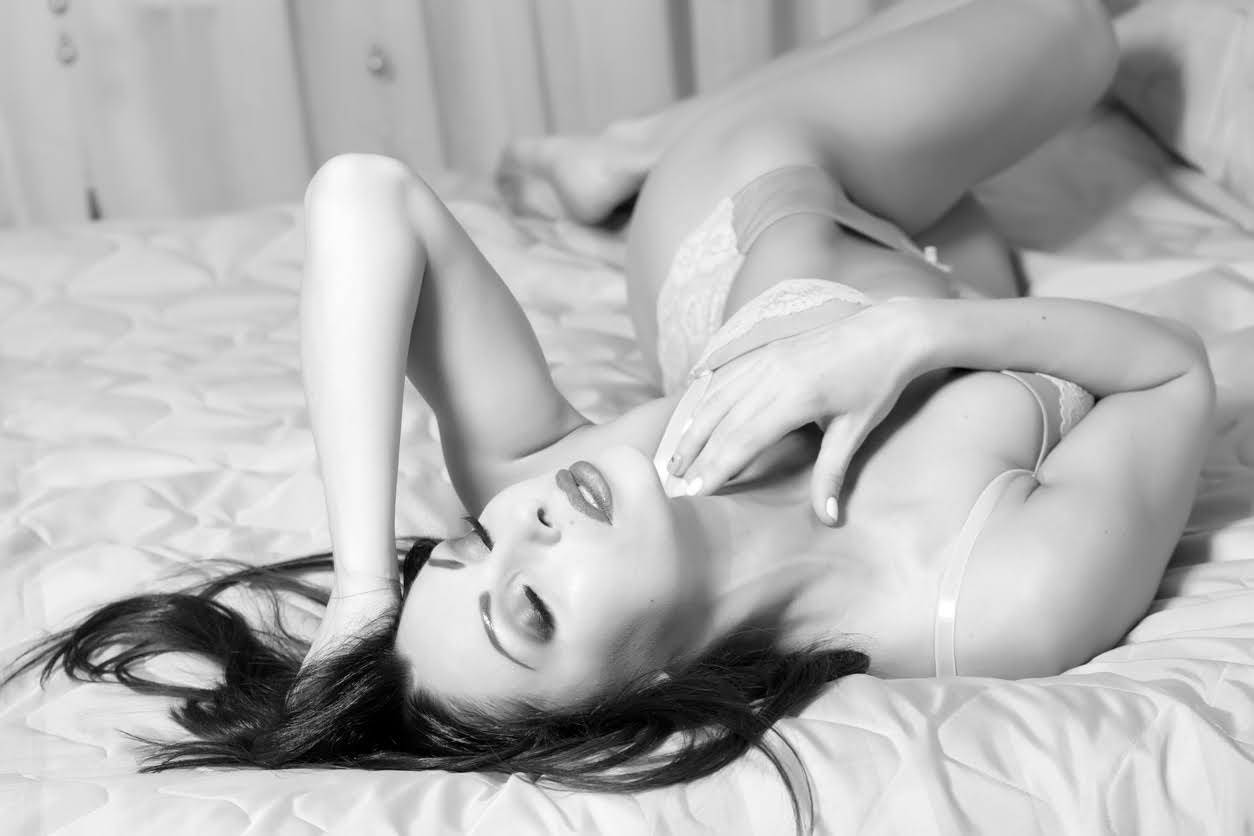
It sounds odd, but it works. Ask the model to touch herself the way you’d touch an infant you’re trying not to wake. That kind of soft, deliberate contact reads as deeply sensual on camera — and it also keeps hands from going limp mid-shot.
It’s All About Intent
Every hand placement should be purposeful. Have her lightly rest them on her chest, or playfully tuck her hair back. Simulate real-life subconscious flirting — the kind of gestures people make without thinking. I spent time studying these micro-gestures when I first started shooting boudoir, and incorporating them into posing direction made an immediate difference in the images.
With that, you have a solid set of boudoir photography tips to get started. The best move now is to find a willing model and start shooting.
FAQ
What is boudoir photography?
Boudoir photography is a style of intimate portraiture focused on celebrating the subject’s sensuality and confidence. It typically involves lingerie, partial dress, or implied nudity, shot in a tasteful and empowering way — often in bedroom or private-space settings.
Do I need expensive camera gear to shoot boudoir?
No. Skill, posing direction, and a comfortable atmosphere matter far more than camera specs. Entry-level DSLRs and even smartphones can produce excellent results in the right hands. If you want to invest anywhere, invest in lenses before upgrading the body.
Which three lenses should a boudoir photographer own?
A 50mm for classic portrait framing, a macro lens for intimate close-up details (eyes, lips, jewelry), and a wide-angle lens (24mm or wider) to add depth and context to full-room compositions. This is the kit Rachel Stephens — one of the highest-earning boudoir photographers in the industry — relies on.
How do I direct a model who has never posed before?
Start fully clothed and work gradually toward more vulnerable setups. Use natural movements (taking off a bra, laughing, looking away) rather than formal poses. Explain what each pose will do for the body before asking for it. Play music the client loves, and never physically adjust posing without verbal consent first.
What camera mode works best for boudoir?
Aperture Priority is the go-to for most boudoir photographers. It lets you set depth of field directly while the camera handles shutter speed, which means one fewer variable to juggle when your attention should be on your subject. Set your ISO at the start of the session and leave it unless the lighting situation changes significantly.

