


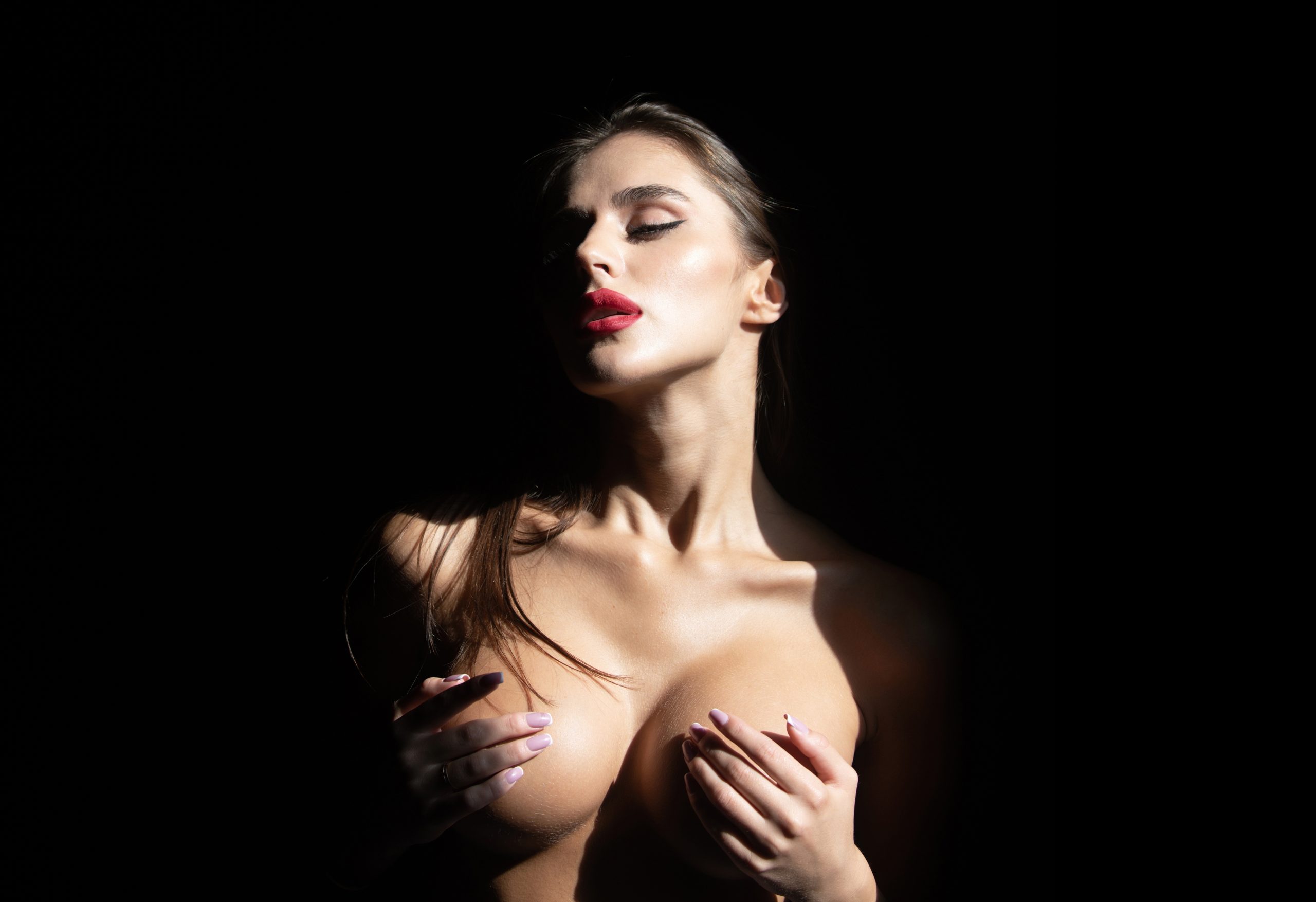
A Complete Guide to Nude Photography: Techniques, Ethics & Creative Tips
Nude photography is a genre of fine art photography focused on the aesthetic depiction of the unclothed human form, emphasizing light, composition, and the body as form rather than explicit content. It is one of the oldest subjects in visual art and one of the most misunderstood in modern practice. For newcomers, directing a nude shoot can feel intimidating — the subject is personal, culturally charged, and often confused with imagery that has nothing to do with art. Handled with craft and respect, though, it becomes a study in form, light, and human presence.
Key Takeaways
- Nude photography is a fine art genre with roots stretching back centuries — intent and respect are what separate it from explicit imagery.
- Every successful shoot starts with clear artistic intent, open communication with the model, and a professional environment.
- You don’t need expensive equipment — a camera with good dynamic range, a 50mm or 85mm prime lens, and window light can produce professional results.
- Editing should enhance what’s already in the frame — preserve natural skin texture, avoid distorting proportions, and let mood drive your toning decisions.
- Collaboration with the model, not rigid direction, produces the most authentic and emotionally resonant images.
- Model releases, age verification, and clear boundaries are non-negotiable legal and ethical requirements.
This guide consolidates everything a serious photographer needs to approach the genre with confidence: its history and artistic foundations, how to find and work with models, how to build a safe and professional environment, gear and lighting fundamentals, posing and direction, post-processing, legal and ethical considerations, and creative techniques gathered from photographers who specialize in this field. Whether you are shooting your first figure study or refining a portfolio, the aim is the same — work that honors the subject and holds up as art.
Table of Contents
- Understanding Nude Photography as an Art Form
- Historical Perspectives: Art vs. Expression
- The Dual Nature of Nude Art Photography
- Defining Your Artistic Intent
- Preparing Yourself as a Photographer
- Finding and Working With Models
- Creating a Safe and Professional Environment
- Rent a Studio, Not a Hotel
- Technical Basics: Gear, Lighting, and Setup
- Composition and Form
- Posing and Directing
- Previsualization and the Shot List
- Creative Techniques: Silhouettes, Angles, and Diagonal Composition
- Channeling Your Model’s Creativity
- Don’t Take Any Rules Too Seriously
- Nude Couples Photography
- Post-Processing: Editing With Respect
- Ethics and Legal Considerations
- Tips for Growing as a Nude Photographer
- A Celebration of Humanity
- Frequently Asked Questions
What Is Nude Photography as an Art Form?
Before picking up your camera, it helps to frame nude photography in its proper context: as art. For thousands of years, artists have used the unclothed body to explore beauty, spirituality, mythology, and emotion. Ancient sculptures celebrated athleticism and idealized proportion. Renaissance painters like Botticelli and Michelangelo used nudity to explore themes of beauty, divine creation, and the Neoplatonic ideal of spiritual purity. Photography, when it emerged in the 19th century, simply extended this tradition into a new medium.
Early photographers used nude studies as references for painters and sculptors. Later figures — Edward Weston, Ruth Bernhard, Robert Mapplethorpe — pushed the work firmly into fine art. The distinction between artistic nude photography and explicit imagery usually comes down to intent and presentation. Artistic nudes are created to tell a story, capture mood, or explore form and light. The subject is treated with dignity and collaboration, not objectification. Keeping that distinction front of mind is what separates a figure study from a snapshot.
How Has Nude Photography Evolved from Classical Art to Modern Expression?
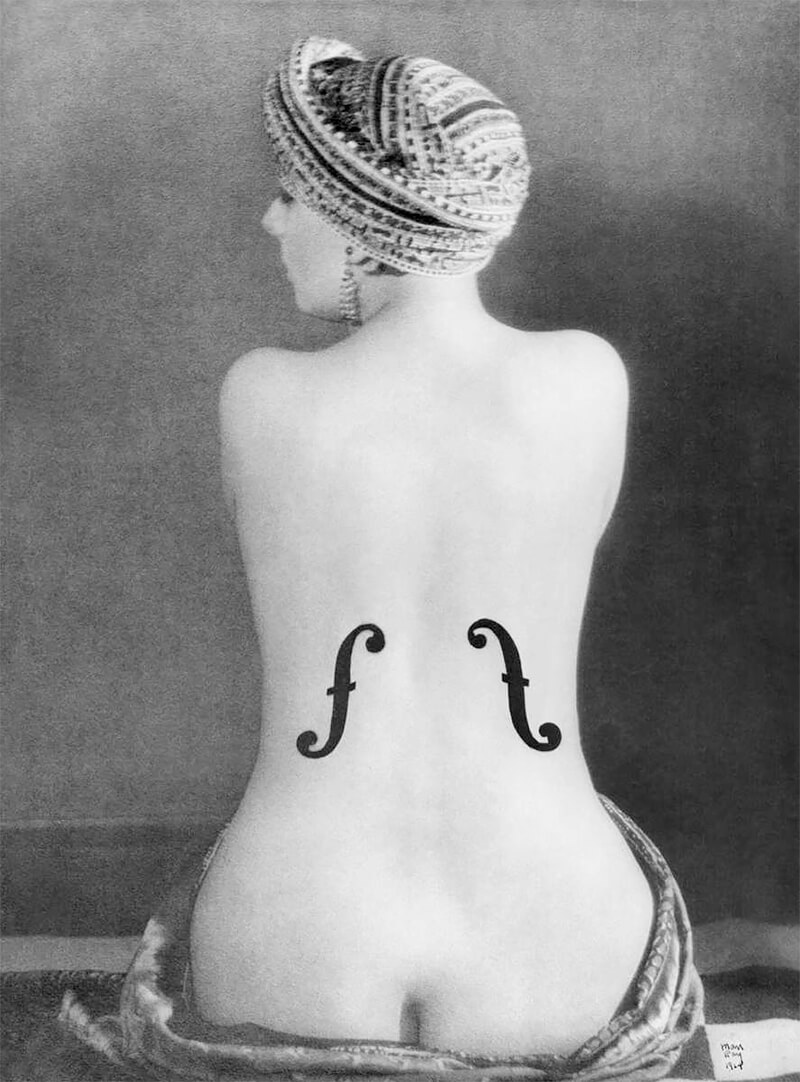
The tension between polished artistry and raw expression is not a new challenge — artists have wrestled with it for centuries. In classical sculpture and Renaissance painting, the focus leaned heavily toward idealized form. Figures were symmetrical, proportioned, and often stripped of individuality; expression was confined to mythological or religious allegory.
In the modern era the pendulum swung the other way. Artists began using the nude body as a vehicle for vulnerability, sexuality, and social commentary. Instead of presenting a “perfect” body, they explored identity, imperfection, and the human condition. Photography inherited both traditions. Man Ray’s Le Violon d’Ingres treated the back as both canvas and witticism. Edward Weston leaned into pure form — photographing peppers, shells, and sand dunes so that their curves and surfaces resembled the human body, and nudes so that the body dissolved into landscape. His work collapsed the boundary between organic object and human form. Robert Mapplethorpe used symmetry and bold framing to confront audiences with sexuality and identity. Ruth Bernhard arguably exemplified the balance best: her sculptural lighting produced artful form while her models radiated emotional presence.
These examples show that balance isn’t a formula. It’s a choice — how much weight you give to structure versus feeling depending on the story you want to tell.
What Are the Two Dimensions of Nude Art Photography?

Nude art photography operates on two tracks at once: visual design and emotional communication.
- The art side is about structure. Composition, lighting, angles, technical execution. These are the building blocks that give an image shape and coherence. Without them, photographs feel messy.
- The expression side is about feeling. A subject’s pose, their gaze, their energy in the frame. These communicate vulnerability, power, confidence, or intimacy. Without expression, a photo can look beautiful but hollow.
Imagine two extremes. A perfectly lit, technically flawless frame where the model looks stiff and uncomfortable — art without expression. Now picture a raw, emotional image where the model pours themselves into the moment but the lighting is flat and the composition sloppy — expressive, but undermined by weak presentation. The sweet spot is where the two meet: technical mastery amplifies expression, and emotional depth gives the artistry weight.
| Aspect | Fine Art Nude | Boudoir | Glamour |
|---|---|---|---|
| Intent | Artistic expression; body as form, metaphor, or narrative | Personal empowerment; intimate keepsake for subject or partner | Commercial appeal; idealized, aspirational imagery |
| Setting | Studio, nature, or conceptual environments | Bedroom, hotel suite, or private domestic space | High-end studio or fashion-forward locations |
| Subject Relationship | Collaborative; model as creative partner | Client-centered; subject is the primary audience | Directed; photographer and client serve a commercial brief |
| Lighting Style | Conceptual; light serves mood and narrative | Flattering; soft, warm, and intimate | Polished; high-key or dramatic fashion lighting |
| Typical Client | Gallery, editorial, or personal portfolio | Individuals — often for personal milestones | Commercial brands, magazines, or talent agencies |
Why Does Artistic Intent Matter in Nude Photography?
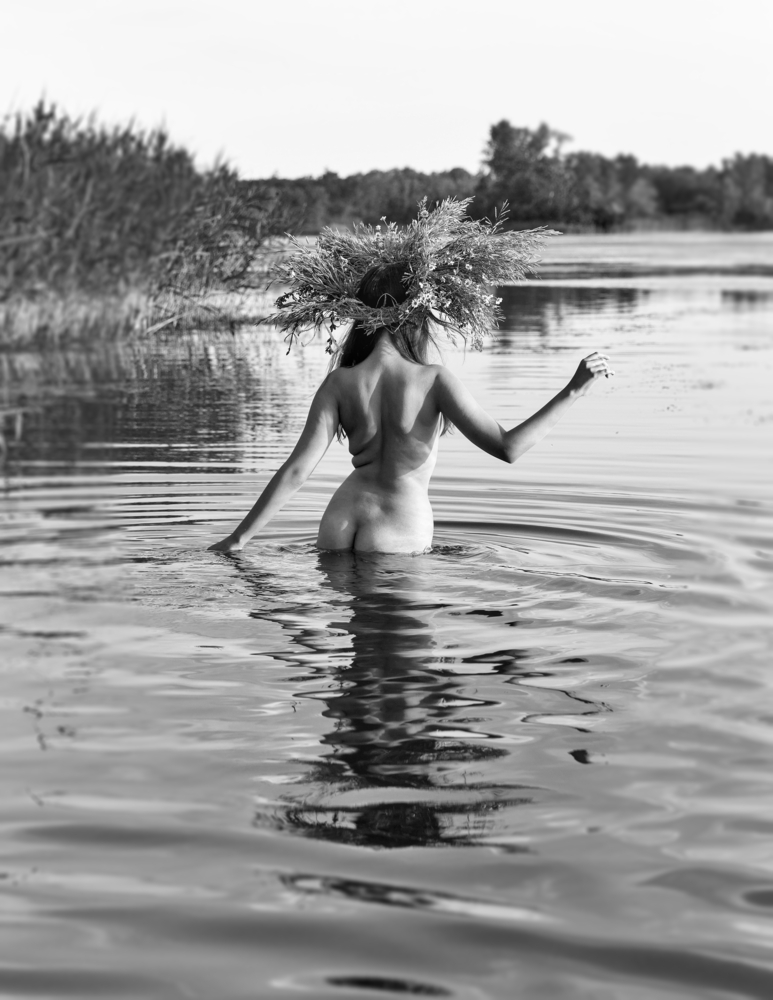
Before you begin a shoot, the most important step is clarifying your why. What do you want this image to say? Ask yourself:
- Am I more focused on the beauty of form, or the depth of story?
- Do I want viewers to admire the technical craft, or feel something when they see it?
- Am I highlighting vulnerability, strength, empowerment, sensuality, or something else?
Clarity of intent is your compass. If the goal is vulnerability, you may lean into softer light and more expressive poses while still using artistic tools to frame that vulnerability. If the goal is abstraction, you’ll prioritize compositional precision but preserve emotional nuance in small gestures. The balance between art and expression doesn’t come from luck — it comes from defining intent and making every creative choice in service of it. This kind of planning also dovetails directly with storytelling in nude art photography, where the narrative shapes every technical decision.
How Should You Prepare Before Shooting Nude Photography?
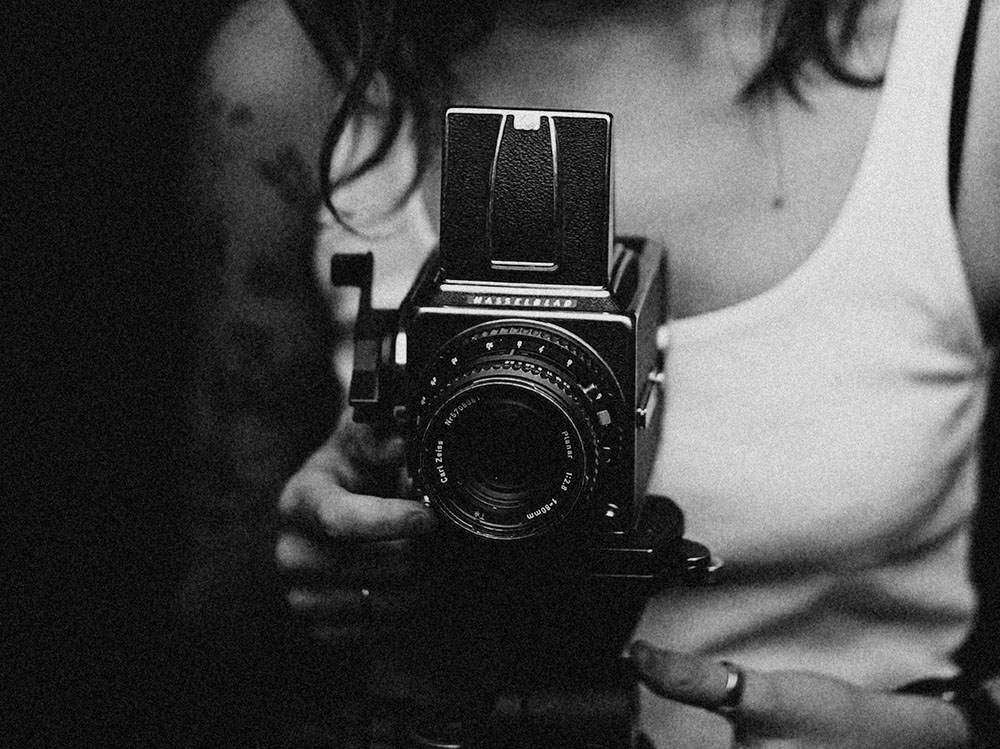
Before you invite anyone else into the process, prepare yourself — mentally and professionally.
- Respect the genre. Nude photography is intimate. If your approach is casual or unserious, it will show in your images and erode trust with your subject.
- Study other photographers. Look closely at Weston, Bernhard, Mapplethorpe, or contemporary artists whose work moves you. Notice how they use light, pose, and mood to tell stories.
- Know your comfort level. If directing a nude shoot makes you uneasy, the model will feel it. Practice giving confident, specific direction in clothed portrait sessions first.
- Be professional in communication. The way you write about your work — on your website, in DMs, in email — should read as professional. Avoid language that could be misinterpreted.
Preparation isn’t only about technical skill. It’s about signaling to future models that you understand the responsibility of photographing someone in a vulnerable state.
How Do You Find and Work With Models for Nude Photography?

One of the first hurdles for new photographers is finding someone willing to pose. There are well-established professional channels.
- Modeling platforms: Communities like Model Mayhem, PurplePort, and dedicated photography groups on social platforms can connect you with experienced figure models.
- Workshops and classes: Many photo workshops include figure study sessions with professional models, offering a safe, structured environment for practice.
- Networking: Over time, reputation brings models to you. Early on, you’ll do the outreach.
Once you’ve found a potential collaborator, communication is everything. Whether you’re working with a male or female model, they need to know your creative vision before the shoot. Pull them aside and run through the purpose of the session: the kinds of images you want, the mood you’re after, and any must-have shots. Just as important, ask straightaway what they are and are not comfortable with. No matter what you want to accomplish, the model’s comfort level is more important than any shot on your list.
- Discuss boundaries in advance: Clarify poses, levels of nudity, and any off-limits areas before the shoot.
- Use model releases: A signed release protects both of you by defining usage rights for the images.
- Collaborate: Ask for their input. Experienced models often have great posing instincts and can help bring your vision to life.
Remember: this is a partnership. Treat your model as a co-creator, not a subject.
How Do You Create a Safe Environment for a Nude Photography Shoot?

Even the most skilled photographers won’t get strong work if the environment feels off. The atmosphere you create is as important as your technical setup.
- Keep it private. Use a closed studio space or a secluded location where interruptions are unlikely.
- Limit the team. Beginners should work one-on-one whenever possible. If you need an assistant, make sure the model is comfortable with that person being present.
- Professional demeanor. Speak respectfully, avoid unnecessary physical contact, and explain any adjustments clearly.
- Encourage feedback. Check in often — “Are you comfortable?” “Do you need a break?” Small gestures go a long way.
On the subject of contact: don’t touch your model during a shoot unless you have explicit permission. Phrase requests in a way that gives them an out — “May I lay your hair over your shoulder, or would you like to do it?” A model who wants to please the photographer may otherwise feel pressured to say yes. Always give them the chance to fix the frame themselves first, and never approach without consent. This is one of the non-negotiable rules of the genre.
Rent a Studio, Not a Hotel
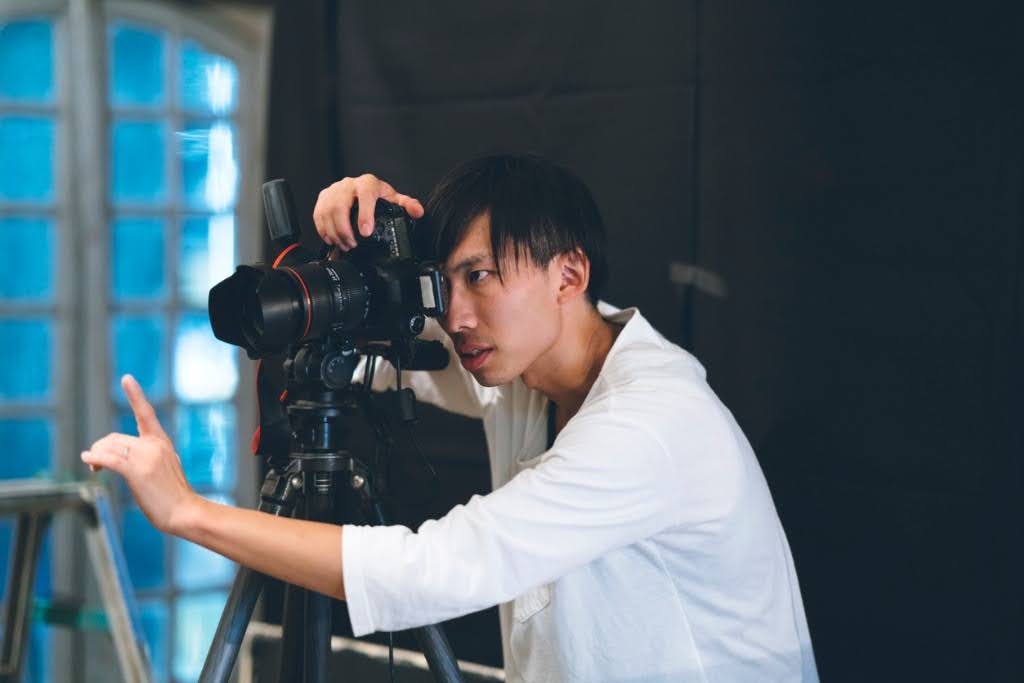
Not every photographer agrees on this point, but for most work — especially when you haven’t collaborated with a model before — rent a studio rather than a hotel room. Some hotel shoots can produce beautiful results, but meeting a model at a hotel raises legitimate safety concerns on their end. Disreputable photographers work out of hotel rooms because the privacy suits bad behavior, and you don’t want to be mistaken for one. A rented studio signals a professional, legitimate operation, and that alone goes a long way toward putting a new model at ease.
What Gear and Lighting Do You Need for Nude Photography?
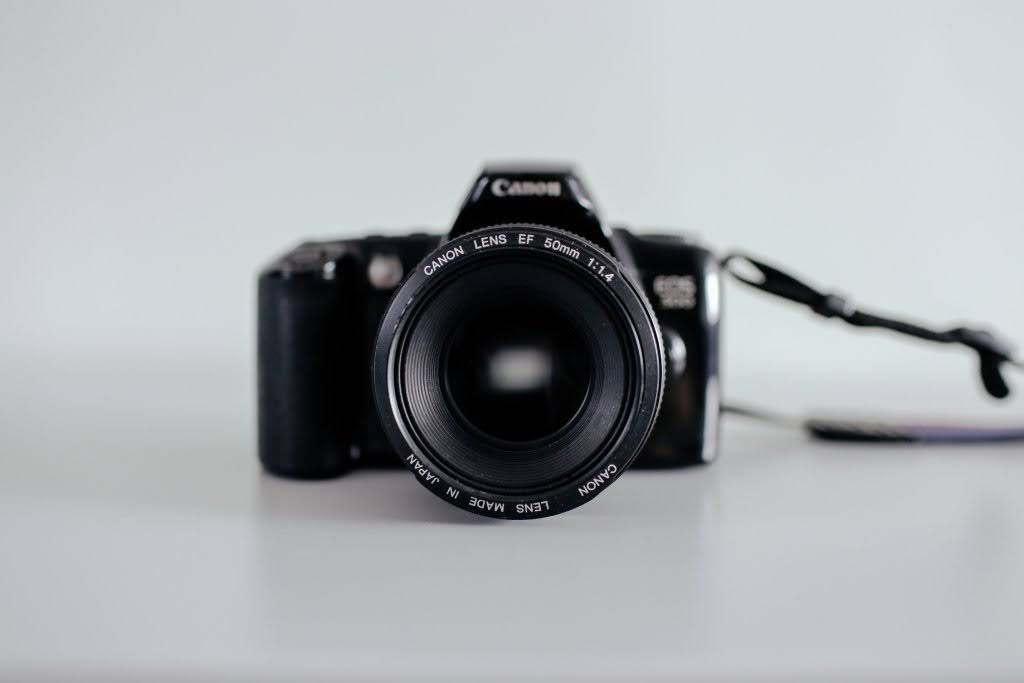
You don’t need a warehouse of equipment to start. You do need to understand how gear and light shape the story.
- A DSLR or mirrorless camera with good dynamic range.
- A prime lens (50mm or 85mm is a strong starting point) for flattering portraits and shallow depth of field.
- A tripod for steady framing, especially at slower shutter speeds.
Lighting basics:
- Natural light: Window light is one of the most forgiving and beautiful options for nude photography. Soft daylight creates intimacy and mood.
- Studio lights: A single softbox or umbrella can mimic window light. More advanced setups — rim lights, grids, gels — add drama once you’re comfortable with single-source work.
- Shadows matter: In nude work, shadows aren’t mistakes. They are tools to sculpt the body and carry emotion.
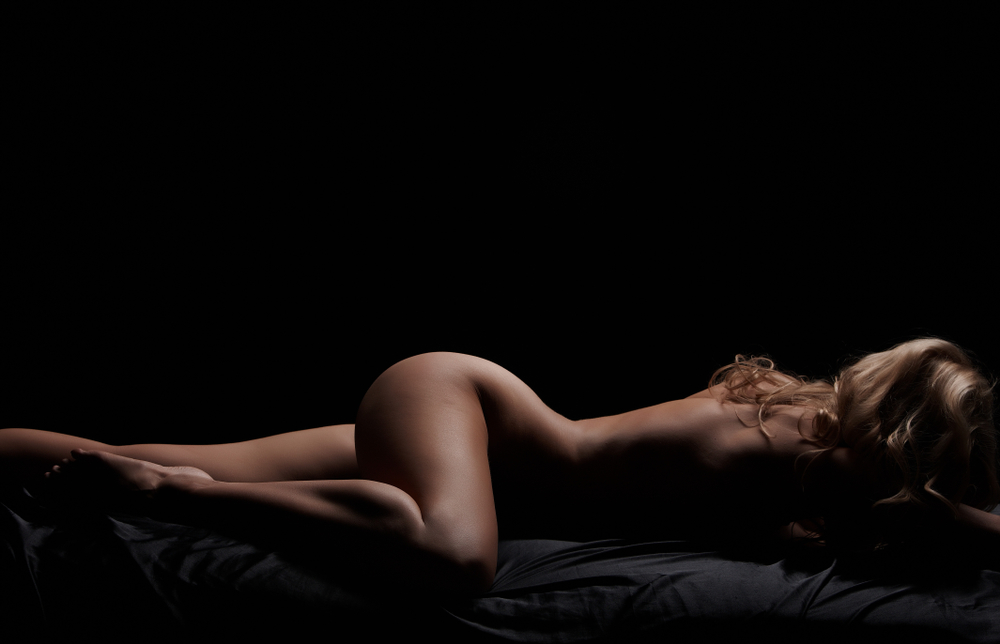
On the technical side, lighting shapes form. Side lighting sculpts muscles, front lighting flattens and reveals, backlighting creates silhouettes. On the expressive side, lighting sets mood: soft window light feels intimate and vulnerable; harsh directional light feels dramatic, even confrontational; warm tones evoke closeness, cooler tones create distance. The best lighting decisions do both jobs at once — a strong sidelight that emphasizes physical strength while adding emotional intensity.
Keep backdrops and props simple. A plain wall, a length of fabric, or a single chair often works better than an elaborate set. The attention should be on the subject and the story.
How Does Composition Work in Nude Photography?

Composition is where the “art” side of nude photography comes most clearly into focus. The arrangement of elements in the frame controls how viewers experience the image.
- Rule of thirds: Placing the body off-center creates dynamism and tension.
- Symmetry and balance: Mirrored poses or central framing communicate harmony and control.
- Leading lines: Outstretched limbs or environmental lines guide the viewer’s eye through the image.
- Framing: Windows, doorways, and shadows can isolate and emphasize the body.
The human body offers unique compositional possibilities. Curves suggest softness, angles suggest strength. Cropping can transform a torso or shoulder into near-abstract design. Negative space can make a subject feel isolated or expansive. A word of caution: too much emphasis on composition and an image starts to feel like an anatomy study rather than art. Let form provide structure while leaving room for expression to breathe.
How Do You Direct Poses in Nude Photography?

Directing poses is often the hardest part for newer photographers. The key is to start simple.
- Begin with natural positions: Standing, sitting, or reclining in relaxed postures.
- Watch hands and feet: Stiff fingers or awkward feet can ruin an otherwise strong image. Encourage relaxation.
- Encourage movement: Instead of rigid posing, ask the model to shift slowly between positions. You’ll get fluid, natural shots.
- Use body language: A curled posture suggests vulnerability; an open, expansive stance communicates strength.
- Expressions matter: Direct gaze versus averted gaze completely changes the mood.
Give direction clearly and specifically. Instead of saying “do something sexy,” say “cross your arms softly” or “turn your head toward the light.” Precision removes awkwardness. And don’t make your subject hold a pose longer than two or three frames from different angles — the images will start to look stoic and static. Tell the model they can always shift out of a pose when it starts to feel uncomfortable, and work around their movement instead of fighting it.
Why Is Previsualization Important in Nude Photography?

Previsualization is one of the most underrated skills in this genre, and it works on two levels.
First, for you: a shoot rarely goes well without a shot list. Before the session, pre-visualize the whole arc of the day and ask yourself — how do I want this to unfold? What is my creative vision? What would I be happy to walk away with? Which images are non-negotiable in the time we have?
Second, for the model: allow them to previsualize their own movements. A useful approach is to find example images similar to the poses you want to capture. As you discuss what you’re after and what they’re comfortable doing, look at reference images together so they know what you’re seeing in your head. This also gives them room to offer creative input, which almost always improves the final result.
What Creative Techniques Elevate Nude Photography?

Three techniques consistently separate amateur figure work from images with real presence.
Silhouettes for anonymity and mood. Depending on the project, a model may not want their identity visible in the final image. Backlighting the subject so their form reads as a clean black shape against a bright background is both practical and striking. Silhouettes cover identifying features, can obscure genitalia, and give an image an air of mystery — often turning what could have been a casual nude into a piece of fine art.
Work every angle. A lot of nude imagery is the same viewpoint repeated. Break that habit by identifying specific parts of the body you want to feature and then moving your camera position to serve them. Keep a chair, a sturdy ladder, and a couple of pillows in your studio so getting high, low, or flat on the floor is never a production. Then force yourself to use each position during the shoot — you’ll come out with a far more varied set of frames.

Diagonal composition. Positioning the model on a diagonal adds depth and drama to an image, but the body isn’t the only lever. Props, leading lines in the environment, and diagonal shafts of light across the subject all create the same sense of movement and energy. Use them in combination for images that feel dynamic rather than static.
How Do You Involve Your Model’s Creativity in a Nude Shoot?
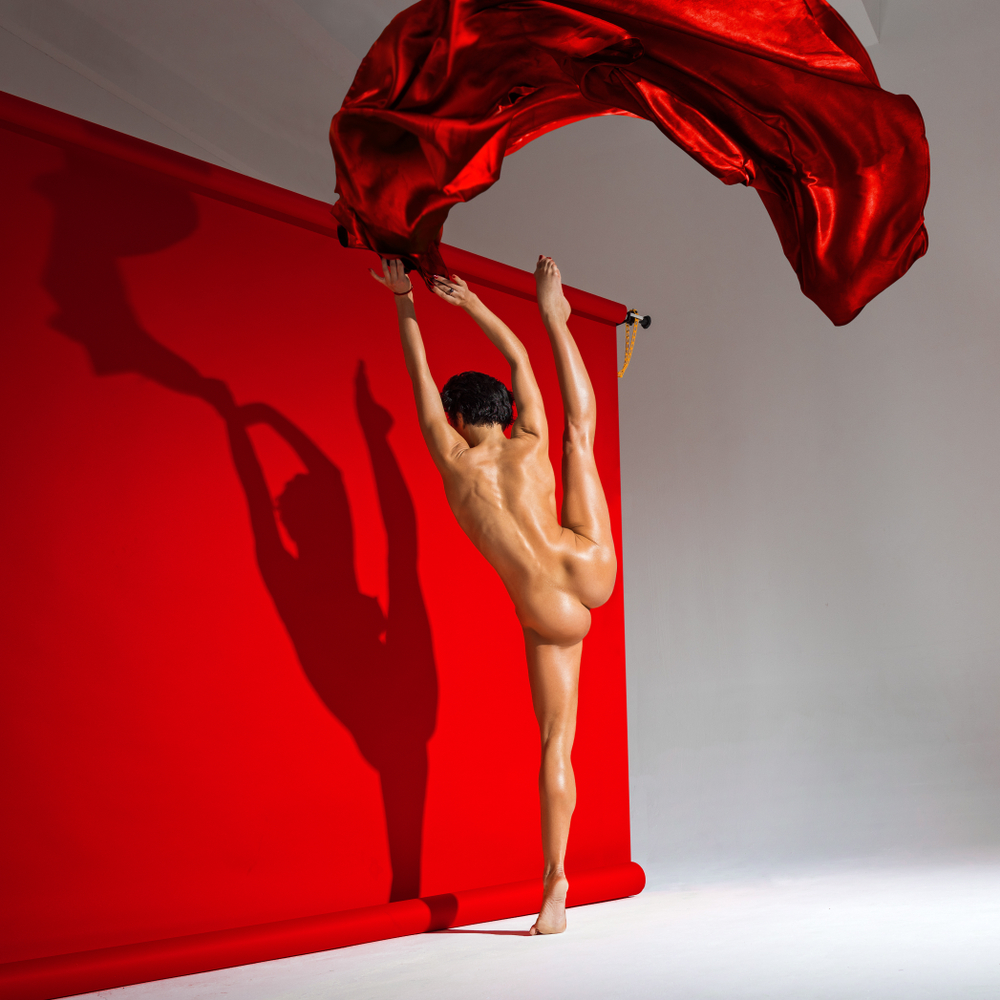
Photographers sometimes forget that models are equal partners in the creative process, and that oversight is easier to fall into on more intimate shoots. One simple way to include them is to show sample shots during the session — both your own work and references from other photographers you admire. Seeing what you’re going for tends to do two things: it builds confidence in your ability to make them look great, and it often sparks a suggestion they wouldn’t have offered otherwise.
You can go a step further by asking, before the shoot, whether there are any particular images they’d love to come away with. Folding their must-haves into your shot list turns the session into a genuine collaboration. Review frames together mid-shoot when appropriate; their feedback often leads to adjustments that improve both the artistry and the authenticity of the work.
Don’t Take Any Rules Too Seriously

One rule is non-negotiable: professionalism. Everything else is a guideline. If something a little outside the box comes up during a shoot — a pose, a setup, a moment — and your model is game, go for it. Some of the strongest images in this genre are the ones where conventional wisdom got tossed out the window. Keep your finger on the shutter, roll with what’s happening in front of you, and capture the moments that surprise you.
What Should You Know About Nude Couples Photography?
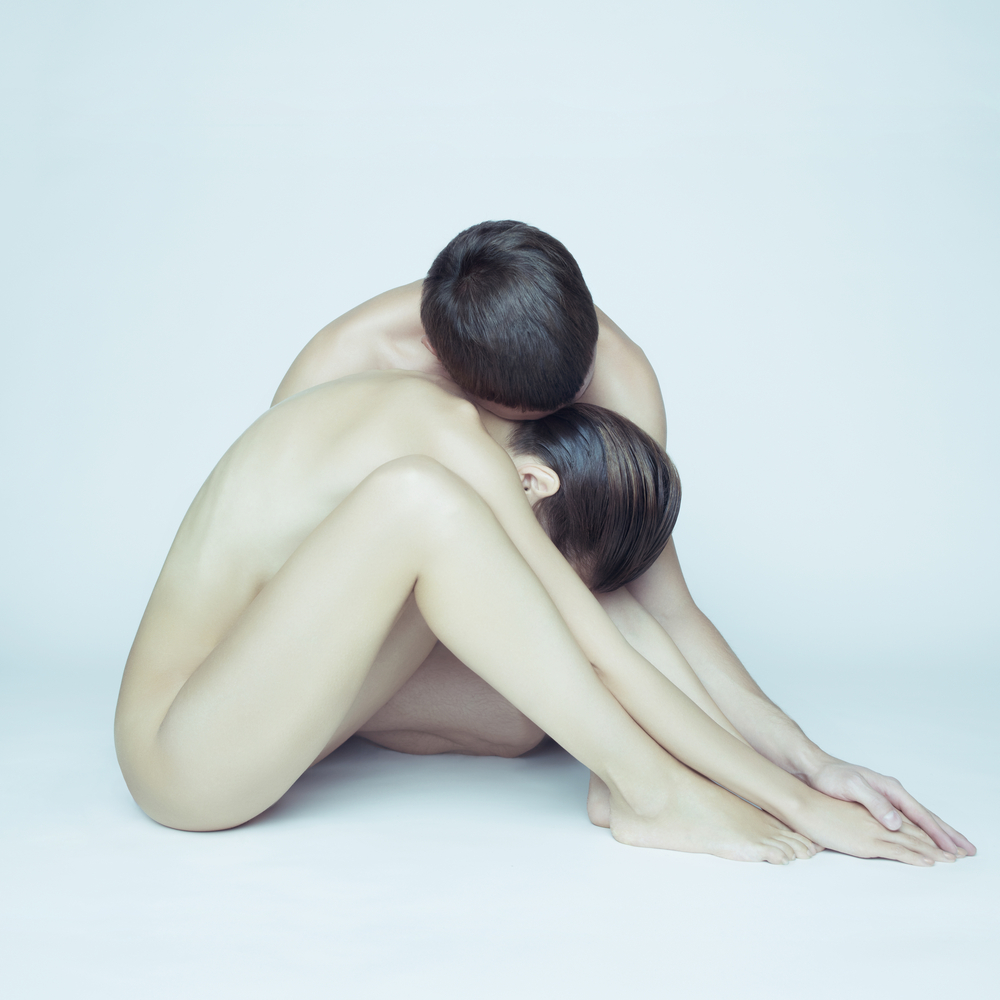
Nude photography doesn’t have to be one body at a time. Nude couples work is a rich sub-genre with plenty of creative range. Everything in this guide — rapport, previsualization, consent, lighting, composition — applies. Posing simply gets more complex with two bodies in the frame. Pay close attention to how both subjects are positioned so that each person’s form is complemented rather than obscured by the other, and give yourself extra time to work through the blocking. For photographers interested in the more intimate and narrative-driven end of two-person work, our boudoir photography tips cover pose, wardrobe, and set design in more depth.
How Should You Edit Nude Photographs Respectfully?
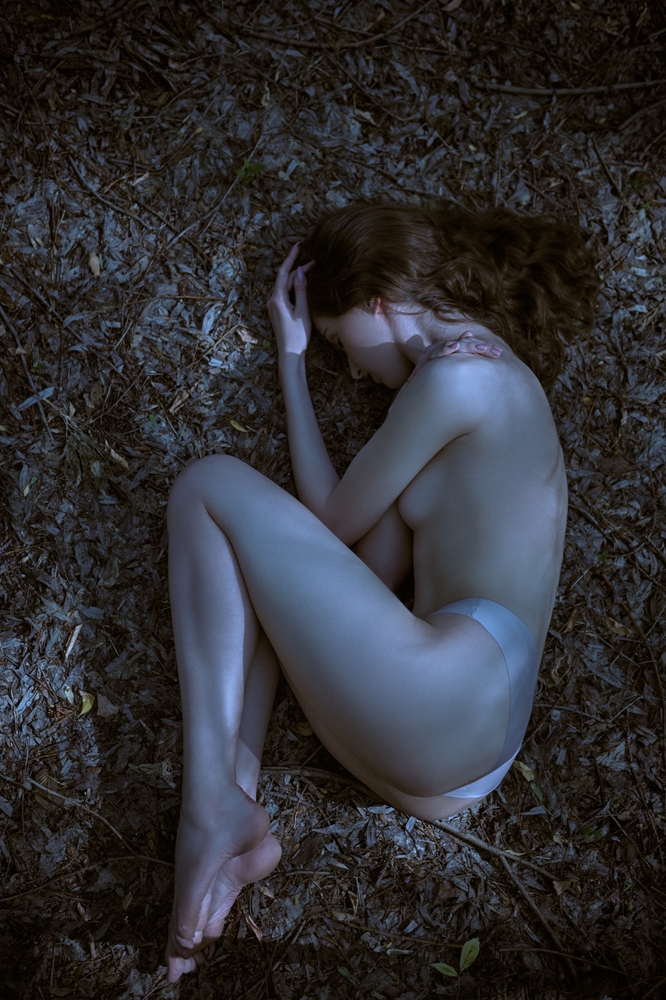
Editing nude photographs demands the same respect as the shoot itself.
- Basic adjustments: Exposure, contrast, and white balance are foundational.
- Enhance, don’t distort: Avoid manipulating body proportions or heavily airbrushing skin unless you discussed it beforehand.
- Texture matters: Keeping natural skin texture adds honesty. Over-smoothing sterilizes expression.
- Mood through toning: Black-and-white conversions highlight form and shadow; warm tones add intimacy; cooler tones add distance.
- Cropping: Tightening a frame can sharpen composition, but be mindful not to strip away the emotional context that gave the image meaning.
- Sequencing: In a portfolio or series, the order of images builds rhythm and narrative.
The golden rule in post is that editing should enhance what’s already there. Avoid processing that makes an image feel artificial or erases what the model brought to the frame. Ask yourself on every adjustment: does this push the mood I wanted, or does it pull away from it?
What Are the Ethics and Legal Requirements for Nude Photography?
- Age verification: Always confirm your model is of legal age with government-issued ID. No exceptions.
- Model releases: Signed releases protect both parties and clarify usage rights.
- Copyright: The photographer typically owns the images, but models may restrict distribution through contract.
- Publication: Know where your work can live. Most social platforms ban nudity; galleries and print publications have their own guidelines.
- Cultural sensitivity: What reads as art in one context may be taboo in another. Be aware of your audience.
- Consent beyond nudity: A model may be comfortable posing nude but not with certain expressive narratives — vulnerability, sexuality, specific themes. Clarify in advance.
- Avoid objectification: Cropping or framing that reduces a subject to disconnected body parts can read as demeaning unless it’s discussed and intentional.
- Responsible presentation: Think about where and how you’ll share expressive images — online, context can be lost in a scroll.
Following these rules isn’t only about legality. It’s about respect, and it’s what keeps the genre credible.
How Do You Grow as a Nude Photographer?
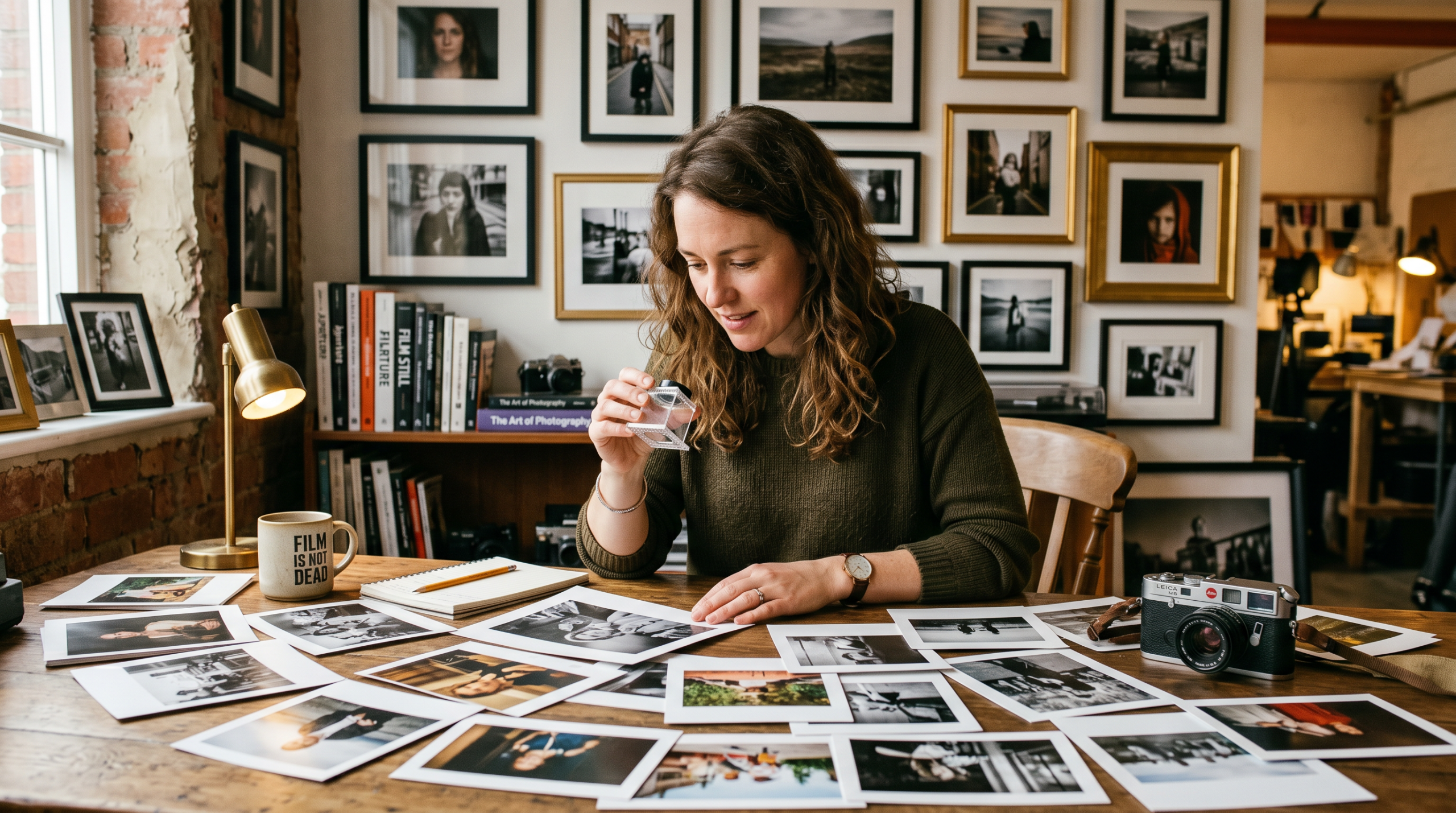
- Start with workshops. Practicing in a structured environment with professional models builds confidence quickly.
- Study the masters. Analyze how Weston used form, how Bernhard used light, how Mapplethorpe framed confrontation. Learn by looking.
- Practice lighting on anything. Draped fabric, mannequins, self-portraits — all let you study how light describes shape without the pressure of another person in the room.
- Build slowly. Don’t rush a huge portfolio. A small set of strong, coherent images says more than a hundred mediocre ones.
- Seek feedback from people who know. Trusted mentors and serious photo communities accelerate growth in ways that online strangers rarely do.
- Start structured, then loosen. Begin a session with carefully composed setups, then invite the model to move naturally and express themselves once they’re warmed up.
- Curate thoughtfully. Mix technically polished frames with emotionally resonant ones in your portfolio to showcase range.
Confidence builds over time. The more you work, the more natural the process becomes — for you and for the people in front of your camera.
A Celebration of Humanity
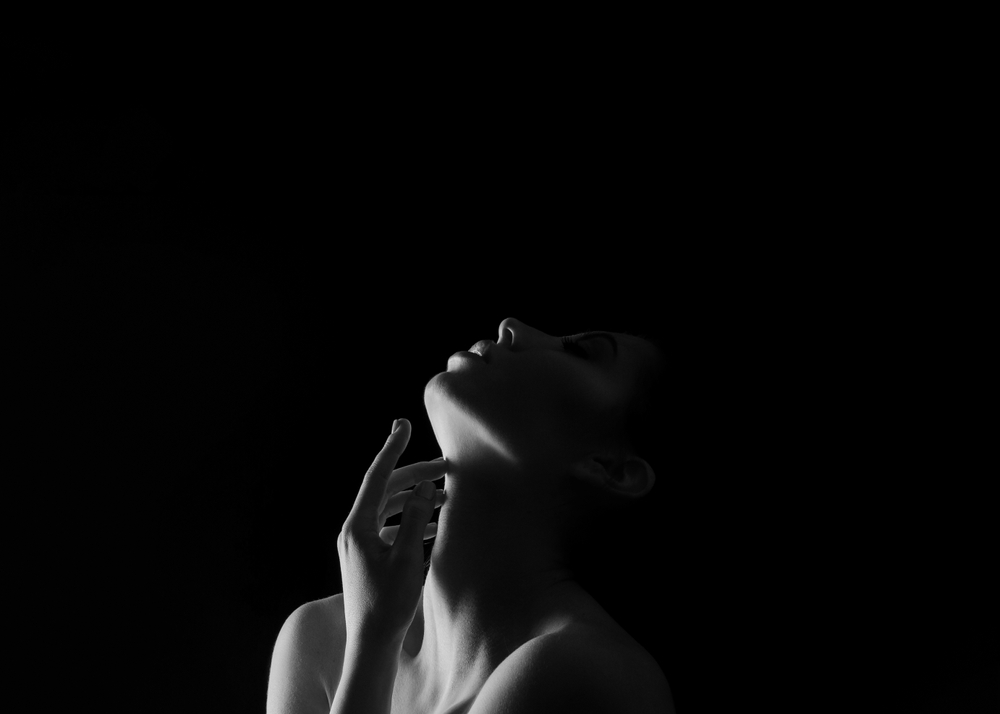
Starting in nude photography is both exciting and daunting. There’s the challenge of working with a vulnerable subject, the responsibility of ethics and professionalism, the technical demands of light and composition. There’s also immense creative reward. When you approach the work with respect, storytelling, and collaboration, nude photography becomes more than images of bodies. It becomes art — a record of vulnerability, strength, and beauty in human form.
If you’re just beginning, take it step by step. Learn light first. Build trust with your models. Keep your editing honest. Remember that your role is to honor the story, not just capture the form. With patience and intention, you’ll find that nude photography isn’t only about what’s seen — it’s about what’s felt. That is what makes it one of the most powerful forms of image-making you can practice.
Frequently Asked Questions
What is nude photography?
Nude photography is a genre of fine art photography that depicts the unclothed human form with an emphasis on light, composition, pose, and mood rather than explicit content. It sits within a centuries-long tradition of artists using the body to explore beauty, vulnerability, strength, and the human condition, and it is distinguished from erotic or explicit imagery by artistic intent and the dignity with which the subject is treated.
How do I find models for nude photography?
Most new photographers find collaborators through dedicated modeling platforms like Model Mayhem and PurplePort, through photography-specific groups on social platforms, and through figure-study workshops that include professional models. Workshops are particularly valuable early on because they provide a structured, supervised environment with experienced subjects. Over time, as your portfolio and reputation develop, models will begin to approach you directly, but for your first sessions expect to do the outreach yourself — and expect the process to take time, because experienced models are selective about who they work with.
What equipment do I need for nude photography?
The kit is simpler than most beginners assume. A DSLR or mirrorless camera with good dynamic range, a prime lens in the 50mm or 85mm range for flattering compression and shallow depth of field, and a tripod for stability will cover the vast majority of situations. For lighting, a single softbox or a large window is enough to produce professional results; more advanced modifiers like rim lights, grids, and gels are useful once you have single-source work mastered. Backdrops and props should stay minimal — a plain wall or a length of fabric keeps attention on the subject.
Is nude photography legal?
Artistic nude photography of consenting adults is legal in most jurisdictions, but several rules apply without exception. All models must be verified as of legal age with government-issued identification, a signed model release should be on file for every session, and public locations are subject to local indecency and public-nudity laws that vary widely by region and country. Distribution is a separate question: most social media platforms prohibit nudity regardless of artistic intent, while galleries and print publications have their own submission guidelines. When in doubt, consult a lawyer familiar with photography and publishing law in your jurisdiction.
How do I start as a nude photographer?
Begin by studying the work of established figure photographers — Weston, Bernhard, Mapplethorpe, and contemporary artists whose images resonate with you — to develop an eye for the genre. Next, practice light and composition on lower-pressure subjects like clothed portraits, draped fabric, or self-portraits so you can give confident direction before a model is in the room. When you’re ready to shoot, start in a workshop or figure-study setting with a professional model, invest in a proper studio space rather than a hotel room, prepare a clear shot list, and focus early sessions on trust and communication rather than ambitious concepts. Build your portfolio slowly with a small number of strong, coherent images rather than rushing to quantity.
What is the difference between nude and boudoir photography?
Nude photography is a fine-art genre focused on the unclothed human form as a study in light, composition, and shape — the body is treated as subject and, often, as sculptural object. Boudoir photography is an intimate portrait genre typically shot for the subject themselves, featuring lingerie, partial nudity, or suggestive posing in a bedroom or similarly private setting, with an emphasis on sensuality, personal empowerment, and flattering personal imagery rather than gallery-oriented fine art. There is overlap — both require trust, careful lighting, and strong direction — but the audience, setting, and intent differ. For more on that second genre, see our boudoir photography tips.

