


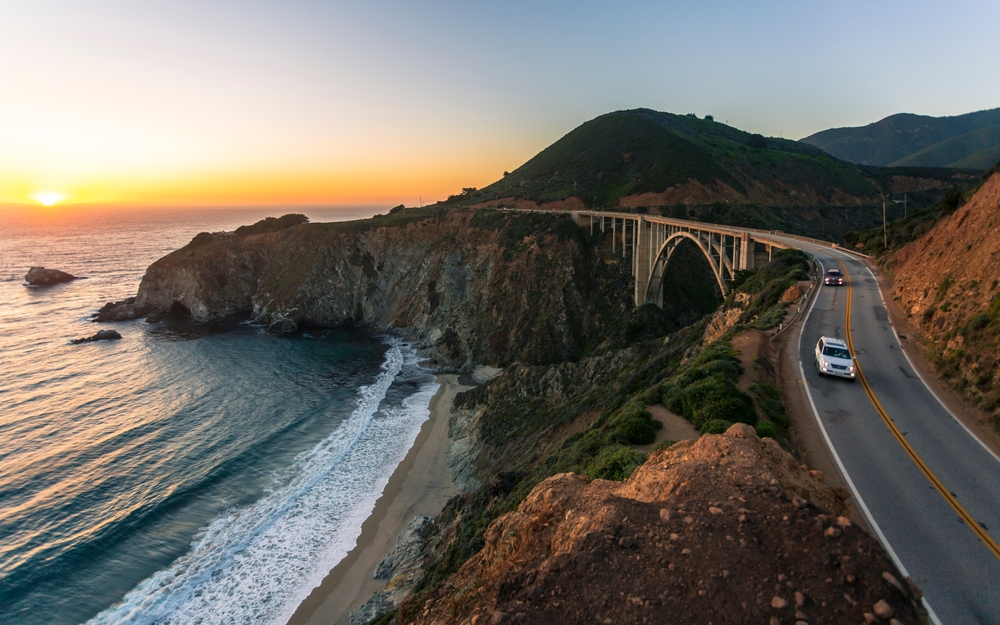
Quick Facts:
- Location: Bixby Creek Bridge, Big Sur, California (Highway 1)
- What happened: Monterey County’s Bixby Bridge parking ban suspends roadside parking on both sides of the span
- No-parking zone: 900 feet north and 700 feet south of the bridge
- Reason cited: Traffic gridlock and safety hazards from photo stops
- Duration: 12-month trial restriction, subject to county review
- Distance from Carmel: About 15 miles south
- Still legal: Photography from designated turnouts and the Coast Road
- Best for: Landscape and travel photographers planning a Big Sur shoot
8 min read
In This Article
- What the Bixby Bridge Parking Ban Means
- The Ordinance at a Glance
- Why Photographers Flock to Bixby Bridge
- Why the Bixby Bridge Parking Ban Happened
- Big Sur Overtourism and the Global Pattern
- Where to Legally Photograph the Bridge
- Safety Versus Access: A Balanced Look
- How Photographers Should Adapt Their Plans
- Final Thoughts
- Frequently Asked Questions
What the Bixby Bridge Parking Ban Means
Monterey County approved a Bixby Bridge parking ban in June 2026, and the decision changes how landscape photographers reach one of California’s most photographed spans. Supervisors voted to suspend roadside parking on both sides of the bridge. The county will post no-parking signs along both approaches as the restriction takes effect. For photographers who travel to Big Sur for the shot, the new rules close the informal pullouts they have relied on for years.
Bixby Creek Bridge sits about 15 miles south of Carmel on Highway 1. Its open-spandrel concrete arch and ocean backdrop draw crowds at sunrise and sunset. However, the same popularity now fuels gridlock. On busy Saturdays, drivers describe a near standstill right before the bridge. Officials point to safety as the core reason for the change.
This article walks through the exact ordinance, the county’s reasoning, and where you still hold legal options to shoot the bridge. It also places the wider overtourism trend in a global frame. Throughout, the tone stays neutral, because both residents and photographers raise fair points worth weighing.
The Ordinance at a Glance

Here are the concrete details from the Monterey County ordinance and the surrounding coverage. Each figure below traces to the county draft ordinance and reporting by The Tribune. For quick reference, the table groups every key number in one place. Notably, the restriction reaches well beyond the bridge deck itself. It covers a stretch of shoulder on both approaches, which removes the informal spots photographers once used for a quick roadside frame.
| Detail | Specifics |
|---|---|
| Location | Bixby Creek Bridge, Big Sur, California (Highway 1) |
| Action | Roadside parking suspended on both sides of the bridge |
| No-parking zone | 900 feet north and 700 feet south of the span |
| Reason cited | Traffic gridlock and safety hazards from photo stops |
| Spaces affected | 12 previously unofficial roadside spaces |
| Duration | 12-month parking restriction |
| Distance from Carmel | About 15 miles south |
| Open question | One supervisor doubts enforcement in a remote area |
Why Photographers Flock to Bixby Bridge
Bixby Creek Bridge opened in 1932 and remains one of the most recognizable structures on the California coast. The open-spandrel concrete arch rises high above Bixby Creek, framing the Pacific in a single sweep. Photographers chase it most at golden hour, when low light wraps the canyon walls in warm color. For help timing those conditions, our guide on shooting at golden hour breaks down the narrow window.
Coastal scenes reward patience too. Many photographers reach for a long exposure landscape technique to smooth the ocean and soften moving fog beneath the arch. Because the bridge faces west, sunset sessions pull the heaviest crowds. Those crowds, in turn, created the parking pressure the county now confronts.
Social media amplified the draw even further. A single viral reel sends thousands of new visitors toward the same turnout within weeks. Drone footage and sunset panoramas spread the location across feeds worldwide. Within a few seasons, a once-quiet pullout became a bucket-list checkbox. Many travelers now arrive with one frame in mind, copy it, and leave, which concentrates foot and car traffic into a tight window around the bridge.
Why the Bixby Bridge Parking Ban Happened
The Bixby Bridge parking ban grew out of a simple capacity problem. Roughly 12 unofficial roadside spaces would never absorb the volume of visitors. First, the county closed those spots, hoping drivers would continue past the bridge. Instead, people kept stopping anyway. One commenter on the r/BigSur forum described “literal gridlock” before the bridge on Saturdays.
Monterey County supervisors then voted to suspend parking on both sides after citing repeated hazards. Stopped cars on a two-lane highway force other drivers to brake hard and swing wide. On a road with blind curves and steep drops, the danger compounds quickly. As a result, the board moved to suspend roadside parking, with the draft ordinance setting the no-parking zone at 900 feet north and 700 feet south of the span.
Big Sur Overtourism and the Global Pattern
The Bixby story fits a much larger trend. Across the globe, Big Sur overtourism mirrors what beauty spots face once a single location goes viral online. Near Mount Fuji in Japan, residents struggle with the flood of visitors during cherry blossom season. Authorities there even erected a barrier to block one crowded photo angle. In Rome, meanwhile, officials have moved toward a two-euro fee to enter the Trevi Fountain area for close-up photos under a crowd-control system. Each case shows the same tension between open access and the strain a famous frame places on a small place. The Bixby Bridge parking ban is simply California’s version of this same fix.
For photographers, Big Sur overtourism raises an uncomfortable question. The same images we share online help turn quiet turnouts into traffic jams. One useful response is dispersal. Our roundup of underrated parks away from the crowds points toward locations with thinner crowds and fresh compositions. Spreading out eases pressure on famous landmarks while opening new creative ground for your portfolio.
Where to Legally Photograph the Bridge
The parking ban does not erase every option. The established Bixby Bridge vista point on the inland side of Highway 1 offers a classic elevated angle of the arch. From the Coast Road, an unpaved route at the bridge’s north end, you gain a dramatic side profile. Both lie outside the new no-parking corridor. Still, conditions shift, so confirm current signage before you travel.
Plan the visit with respect for residents and through traffic. Park only in legal, designated areas, and never block a lane for a frame. The Bixby Bridge vista point remains the safest bet for a wide establishing shot. Our essay on a more intentional way to shoot makes the case for fewer, stronger images over rushed grab shots. A slower approach suits a fragile coast where access now hinges on photographer behavior.
Safety Versus Access: A Balanced Look

Both sides of this debate carry real weight. Supporters frame the Bixby Bridge parking ban as a safety measure first. Residents and county officials echo this view. A two-lane highway with sudden stops creates genuine danger for everyone, including the photographers themselves. From this angle, the new rules protect lives and keep emergency access clear along a critical coastal route.
Photographers and some officials push back, though. One supervisor openly doubts whether the rule holds up across such a remote stretch, roughly 15 miles from Carmel. Critics also point to a missed alternative. Instead of a blanket ban, the county might have built a proper pullout or a managed lot. A designed parking solution would balance access with safety, rather than removing roadside access outright.
How Photographers Should Adapt Their Plans
The Bixby Bridge parking ban rewards photographers who plan ahead. A few practical adjustments keep your trip productive under the new rules. First, build the schedule around early morning. Crowds thin out before sunrise, and the soft light flatters both the arch and the canyon. Moreover, coastal fog often lifts in those hours, which opens cleaner sightlines toward the Pacific. Arriving early also lowers your odds of meeting a full turnout or a posted enforcement officer.
Map your legal stops before you leave home. Mark the inland vista turnout, the Coast Road entrance, and a backup pullout farther south. Because cell coverage drops along this stretch, download an offline map in advance. In addition, pack a tripod and neutral density filters, since the strongest coastal frames often need a slow shutter. Finally, leave room for other Highway 1 subjects, such as McWay Falls and Pfeiffer Beach, so a single closed turnout never sinks the whole day.
Final Thoughts
The Bixby Bridge parking ban marks a clear shift for anyone who builds a Big Sur trip around this single span. The classic roadside angle now carries legal risk during the 12-month restriction. Photographers who value the location should adjust plans early rather than gamble on a citation or a tow.
The trade-off is real. Safety gains arrive at the cost of spontaneous roadside stops. Residents and through drivers likely see the relief outweigh the loss, since gridlock and blind-curve hazards fade once cars stop pulling over. For traveling photographers, however, the change removes a convenient habit and pushes them toward designated turnouts or the Coast Road instead. Either way, planning replaces improvisation as the key to a successful Bixby shoot.
Neither side wins outright here, and the enforceability question stays open. Still, the smart move for photographers reads clearly. Scout legal vantage points ahead of time, shoot during quieter hours, and treat Bixby as one stop among many along Highway 1. The California coast holds countless compositions well beyond the most crowded frame.
Frequently Asked Questions
Why did Monterey County ban parking at Bixby Bridge?
Monterey County supervisors approved the rules on safety grounds. Large numbers of visitors stopped on Highway 1 to photograph the bridge, which created gridlock and hazards on a two-lane road. The ordinance now prohibits parking 900 feet north and 700 feet south of the span.
Are photos of Bixby Bridge still allowed?
Yes. Photography itself stays legal. The restriction targets roadside parking and stopping near the bridge, not the act of taking pictures. Shoot from a legal, designated turnout such as the Bixby Bridge vista point, and avoid blocking the highway.
Where do you park for Bixby Bridge now?
Use designated turnouts outside the no-parking corridor. Spots on the inland side of Highway 1 and pullouts farther along the route remain legal. Confirm current signage on arrival, because the county now posts no-parking signs along both approaches.
How long do the new parking rules last?
Local reporting describes a 12-month trial restriction. Officials will review its impact during this period. Check Monterey County updates before a trip, since the timeline or the rules might shift after the review.
Where is Bixby Bridge located?
Bixby Bridge spans Bixby Creek on Highway 1 in Big Sur, California. It sits roughly 15 miles south of Carmel and about 120 miles south of San Francisco. The drive ranks among the most scenic stretches on the West Coast.
Is Bixby Bridge worth visiting?
For many photographers, yes. The arch, the canyon, and the ocean backdrop deliver a world-class composition. Plan around the new parking rules, arrive early, and shoot from legal turnouts to enjoy the view without adding to congestion.

