


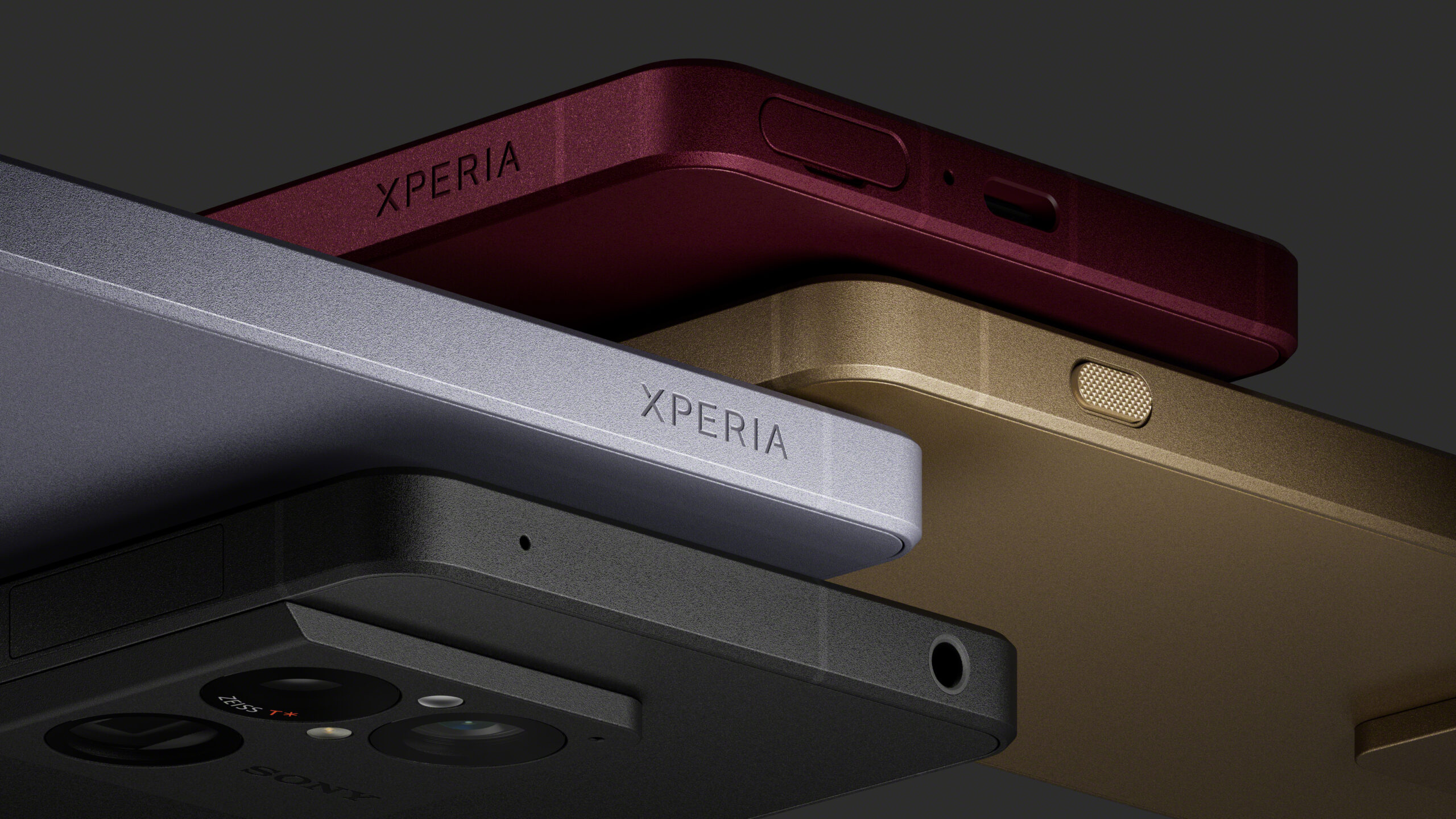
Quick Facts:
- Product: Sony Xperia 1 VIII smartphone
- Headline change: 1/1.56-inch telephoto sensor, 4x larger than the Xperia 1 VII
- Cameras: Triple 48MP (24mm f/1.9, 70mm f/2.8, 16mm f/2.0)
- Processor: Snapdragon 8 Elite Gen 5
- Display: 6.5-inch LTPO OLED, 120Hz, 1080×2340
- Battery: 5,000mAh, 30W wired, 15W wireless
- Weight: 200g
- Price: From €1,499 / £1,399 (256GB), up to €1,999 / £1,849 (1TB Native Gold)
- Release: Pre-orders May 13, 2026 (EU/UK), ships June 19, 2026
- Best for: Photographers shooting portraits, low-light scenes, and short-tele compositions on a phone
8 min read
In This Article
Sony Xperia 1 VIII Overview: A Camera-First Flagship With One Big Compromise
A bigger sensor or longer zoom? Sony picked sensor. The Sony Xperia 1 VIII launches today with the company’s boldest camera trade-off in years. Pre-orders open across Europe and the UK, with shipping set for June 19, 2026. Pricing begins at €1,499 or £1,399 for the 256GB version. Also, the 1TB Native Gold edition sells exclusively through Sony at €1,999 or £1,849.
The headline change for photographers is the new periscope telephoto camera. Sony swapped the variable 85-170mm continuous zoom from the Xperia 1 VII. Now, a fixed 70mm lens sits on a 1/1.56-inch sensor. The new sensor is roughly four times the size of the previous unit, according to Sony’s launch press release. As a result, image quality at the optical zoom length improves dramatically. However, users lose the ability to step continuously through longer focal lengths.
Snapdragon 8 Elite Gen 5 powers the phone. Also, the 6.5-inch 120Hz OLED display returns alongside a 5,000mAh battery. Sony retained the audio jack and microSD slot. However, the real story sits in the camera bump. There, Sony’s new AI Camera Assistant and Alpha-derived color science aim to bring α-series DNA to a pocket-sized device. Notably, this is a deliberate swap of focal range for sensor area, and the kind of trade-off photographers will debate for months.
Xperia 1 VIII Specs at a Glance

Here are the Xperia 1 VIII specs Sony confirmed in its launch press release.
| Specification | Details |
|---|---|
| Main camera | 48MP, 1/1.35-inch, f/1.9, 24mm equivalent, OIS |
| Telephoto camera | 48MP, 1/1.56-inch, f/2.8, 70mm equivalent, OIS, 2.9x optical |
| Ultrawide camera | 48MP, 1/1.56-inch, f/2.0, 16mm equivalent |
| Front camera | 12MP, f/2.0, 24mm equivalent |
| Processor | Qualcomm Snapdragon 8 Elite Gen 5 |
| RAM / Storage | 12GB/256GB, 12GB/512GB, 16GB/512GB, 16GB/1TB |
| Display | 6.5-inch LTPO OLED, 1080×2340, 120Hz, HDR BT.2020 |
| Battery | 5,000mAh, 30W wired, 15W wireless, reverse wireless |
| Build | 162 x 74 x 8.3mm, 200g, Gorilla Glass Victus 2, IP65/IP68 |
| Software | Android 16, 4 years of OS updates, 6 years of security patches |
| Audio | 3.5mm jack, matched stereo speakers, Hi-Res wireless |
| Colors | Graphite Black, Iolite Silver, Garnet Red, Native Gold |
The New Telephoto Sensor: 4x Bigger and Why It Matters

The Sony Xperia 1 VIII camera system leads with a single piece of hardware. Notably, Sony moved the telephoto camera to a 1/1.56-inch sensor. As a result, the new sensor sits roughly four times larger than the unit on the Xperia 1 VII. Behind that sensor sits a fixed 70mm f/2.8 periscope lens. To illustrate the impact, this is the most capable smartphone telephoto camera Sony has shipped.
For context, sensor size drives low-light performance, dynamic range, and depth-of-field rendering. The lens itself sits at 2.9x optical zoom from the main camera. By cropping to 12MP, the phone effectively doubles the reach. As a result, you get roughly 140mm equivalent without optical penalty. Compared to the previous generation, you trade flexibility for image quality at the focal length most photographers shoot.
Low-Light Performance and RAW Multi-Frame Processing
Picture a wedding photographer shooting reception toasts at ISO 6400 with a long lens. Before this generation, the Xperia 1 VII’s smaller tele sensor crushed shadows and threw noise into faces. However, the new 1/1.56-inch sensor changes that math. Notably, Sony claims all three rear cameras deliver noise levels and dynamic range comparable to a full-frame digital camera. To verify the claim, the company tested at light values of LV 2 or lower against its own α (Alpha) mirrorless lineup. For shooters ready to push the system, our guide to smartphone night photography techniques covers field skills the new hardware rewards.
Sony also applies RAW multi-frame processing to all three rear cameras. The technique expands dynamic range and suppresses noise in low light. Highlight clipping and shadow crushing drop noticeably in high-contrast scenes. Sony pairs the new tele sensor with Zeiss T* lens coating, the same anti-reflective treatment Sony uses on its higher-end optics. Therefore, sun flare and ghosting drop in backlit conditions. The ultrawide carries over from the Xperia 1 VII unchanged: 48MP on a 1/1.56-inch sensor at 16mm f/2.0, which remains the favorite focal length for many smartphone landscape photography techniques Sony users rely on.
The Lost Continuous Zoom: What Sony Took Away

Now picture a sideline parent at a youth soccer game. Previously, with the Xperia 1 VII, you reached 170mm and pulled tight crops of midfield action. After this launch, with the Xperia 1 VIII, you get 70mm and have to either crop or move closer. That is the real shape of the trade-off.
For context, Sony’s Xperia 1 VII shipped with a continuous zoom periscope covering 85mm to 170mm. For photographers working in wildlife, sports, or candid street work, the variable reach was the Xperia line’s defining feature. However, with the new Xperia 1 VIII, Sony killed it.
To get past 70mm, the camera relies on digital crop. For instance, at 12MP center crops, the system delivers usable 2x output. The result is roughly 140mm equivalent at acceptable quality. Also, Sony’s RAW multi-frame processing keeps detail respectable in the 70mm to 140mm range. However, above 140mm, image quality falls off in a way the old continuous-zoom design did not.
Reaction across photography forums and review sites split immediately. For example, GSMArena commenters called the move a step backward. They pointed to OPPO’s similar trade-off three years earlier. DPReview labeled the change a major camera trade-off in its launch headline. In contrast, Sony’s defense is straightforward. A bigger sensor producing cleaner images at one focal length beats a smaller sensor stretched across many focal lengths.
Both sides have a point. For studio-style portrait work, low-light street shooting, and short-tele compositions, the new design wins on raw output quality. For wildlife photographers and field reporters needing 170mm reach without a real camera, the design loses. The decision rests on what each photographer shoots most often.
AI Camera Assistant: Alpha DNA in Software
Sony’s second major camera story is software. Notably, the AI Camera Assistant runs on Xperia Intelligence. It points the camera at a scene and suggests creative settings in real time. For example, the system reads the subject, the weather conditions, and the scene. Then it recommends color tones, lens choice, and bokeh effects pulled from Sony’s α-series Creative Look library.
The Creative Look connection matters because it is the same color science Sony uses across the Alpha mirrorless lineup. Photographers shooting with the A7 IV or A7R V already know the looks the new Xperia will pull from. As a result, the AI Assistant works less as a generic computational-photography crutch. Instead, it is a fast way to access the color profiles Sony Alpha shooters work with daily. The same week Sony launched the Xperia 1 VIII, the company also revealed the Sony A7R VI launch details. Both products share Sony’s color philosophy.
In practice, the AI Assistant runs as a non-intrusive layer. If you point at a backlit subject in soft afternoon light, the system might suggest a warmer color tone. It might also suggest a longer focal length. You tap once to accept or ignore the suggestion. Sony notes the suggestions disable during RAW capture and continuous burst shooting. Therefore, the feature stays out of the way for serious workflow shooters.
Xperia 1 VIII vs. Xperia 1 VII: Should You Upgrade?

How does the Xperia 1 VIII stack against the Xperia 1 VII? The differences fall into three buckets.
First, the telephoto. The new phone gives you a 70mm fixed lens on a 1/1.56-inch sensor. The result is much better image quality and less zoom flexibility. In contrast, the Xperia 1 VII offered 85-170mm continuous zoom on a smaller sensor. The trade was worse low-light performance for more reach.
Second, the processor. Snapdragon 8 Elite Gen 5 in the new phone delivers roughly 20% better performance over the older Snapdragon 8 Elite. Therefore, app launches, multitasking, and computational-photography processing all benefit.
Third, the design and price. Sony reshapes the camera island into a tighter square layout. Also, the new ORE finish arrives in four gemstone-inspired colorways. Pricing holds at €1,499, matching last year. Pre-order buyers receive Sony’s WH-1000XM6 headphones during the launch window. The bundle adds roughly €400 of value for buyers who do not already own the headphones.
For photographers prioritizing image quality at portrait and short-tele focal lengths, the upgrade is meaningful. For those who shot the older model at full 170mm reach for wildlife or sports, the new phone is a step backward.
Sony Xperia 1 VIII Pros and Cons
Pros
- Telephoto sensor roughly 4x larger than the Xperia 1 VII, with full-frame-comparable low-light performance across all three rear cameras at LV 2
- All three rear cameras use 48MP sensors with RAW multi-frame processing
- AI Camera Assistant pulls from the same Creative Look library as Sony Alpha cameras
- Dedicated camera shutter button, microSD slot, and 3.5mm headphone jack all retained
- Snapdragon 8 Elite Gen 5 with up to 16GB RAM and 1TB storage
- IP65/IP68 dust and water resistance, plus options for phone camera protection in challenging environments
- 5,000mAh battery rated for two days of use, with Sony promising 4 years of healthy battery life
Cons
- Continuous zoom range from the Xperia 1 VII (85-170mm) replaced by a fixed 70mm lens
- Starting price of €1,499 / £1,399 sits high for a non-foldable phone
- No formal US release planned, limiting reach for North American buyers
- Front camera stays at 12MP, unchanged from previous generations
- 30W wired charging trails competitors offering 90W or faster
- Phone gains weight at 200g, up from 197g on the Xperia 1 VII
Sony Xperia 1 VIII Review: Final Verdict
The Sony Xperia 1 VIII review verdict comes down to one decision. First, do you shoot wide-and-tight scenes between 16mm and 140mm? Or do you reach for 170mm enough that giving it up hurts? Above all, the phone is built for the first photographer and not the second.
For portraits, low-light candid work, and short-tele scenes at 70mm to 140mm, this is the strongest smartphone Sony has built. Notably, the 1/1.56-inch telephoto sensor delivers image quality previously reserved for compact mirrorless gear. Also, the AI Camera Assistant brings Alpha-grade color science to a phone-sized device.
However, the trade-off is real. Wildlife shooters, sports photographers, and anyone who relied on the older 170mm reach will find the new phone restrictive. Sony bets most users do not need continuous long-zoom range. For photographers who do need it, the predecessor remains the better fit. Used Xperia 1 VII units offer the same reach at lower cost.
At Sony Xperia 1 VIII price levels of €1,499 to €1,999, the phone occupies premium territory. The Xiaomi 15 Ultra and several foldables compete in the same range. However, this Sony justifies the spend with retained features no other flagship offers anymore. The 3.5mm jack, the microSD slot, the dedicated shutter button, and the Sony-developed color pipeline all return. For Sony Alpha system owners, the consistency between phone and dedicated camera workflows pays off in editing time alone.
Sony built a phone for photographers who shoot deliberately. If this describes you and long-zoom reach is not a priority, the Xperia 1 VIII ranks as one of the most considered camera devices on the market in 2026. For shooters who need 170mm reach, the Xperia 1 VII or the Xiaomi 15 Ultra serve better.
Frequently Asked Questions
Does the Xperia 1 VIII have a headphone jack?
Yes, Sony retained the 3.5mm headphone jack on the Xperia 1 VIII. Notably, the audio circuitry inherits from Sony’s WALKMAN line. Therefore, Hi-Res wired output works through standard 3.5mm headphones. Sony also added matched left and right stereo speakers for wireless or open-air playback.
When does the new Xperia release?
Pre-orders open May 13, 2026. After that, shipping starts June 19, 2026. Also, pre-order buyers during the launch window receive Sony’s WH-1000XM6 wireless headphones at no extra cost.
How much does the new flagship cost?
Sony Xperia 1 VIII price starts at €1,499 or £1,399 for the 12GB/256GB version. Moreover, the 16GB/1TB Native Gold edition sells through Sony directly at €1,999 or £1,849 in select European markets.
Is the new phone coming to the US?
No, Sony has no formal plans to release the new phone in the United States. Instead, the device launches in Europe and the UK first. For now, pre-orders open today through Sony and select retailers. Therefore, American buyers will need to import an unlocked unit.
How big is the Xperia 1 VIII telephoto sensor?
The Sony Xperia 1 VIII camera system uses a 1/1.56-inch telephoto sensor. Notably, the sensor is roughly four times the size of the unit on the Xperia 1 VII. Also, Sony pairs the sensor with a fixed 70mm f/2.8 periscope lens and OIS for sharp handheld shots.
What is the AI Camera Assistant?
The AI Camera Assistant is a real-time photography helper powered by Sony’s Xperia Intelligence platform. For example, the assistant reads the scene, the subject, and the lighting conditions. Then it suggests color tones, lens selection, and bokeh effects pulled from Sony’s α-series Creative Look library.

