


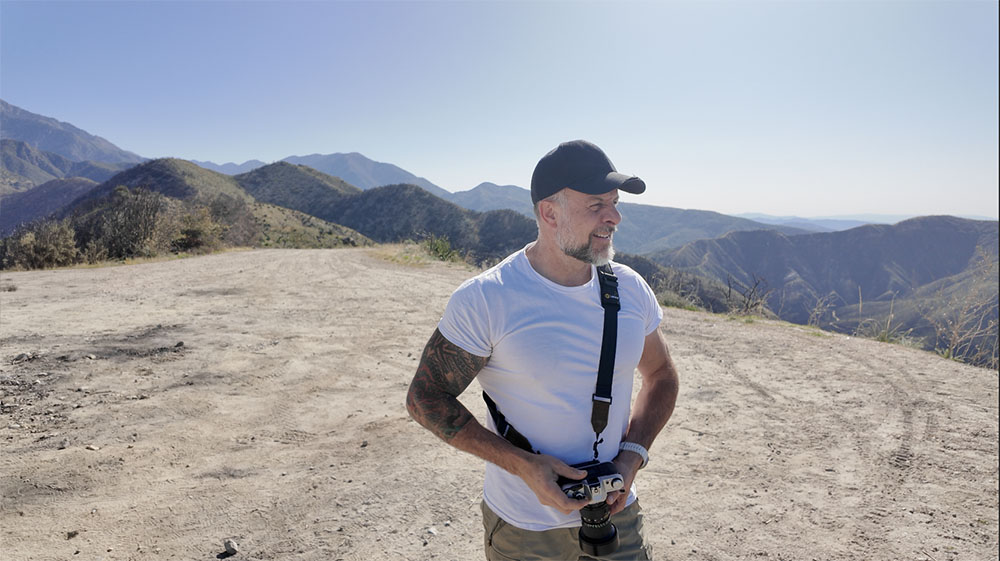
Most photographers spend months agonizing over sensor size, autofocus systems, and lens sharpness. They obsess over megapixels, crop factors, and dynamic range. Then they throw the camera over their shoulder on a flimsy stock strap and wonder why their neck hurts by noon. The physical experience of carrying a camera gets almost no attention in the photography world. Yet it shapes almost everything about how you shoot.
Camera comfort is more than an ergonomic checkbox. It is the underlying condition that determines camera choices. It determines whether you pick up the camera in the first place. It shapes how long you stay in the field. It also determines whether physical discomfort starts stealing mental bandwidth you would rather spend on composition. This article examines six dimensions of how camera comfort affects your work. It also looks at how a well-designed system like the LemurStrap addresses each one.
Quick Facts:
- Topic: Camera comfort, ergonomics, and shooting endurance
- Product Featured: LemurStrap, a quick-release camera carrying system
- Strap Price: $119.95 USD (full kit with baseplate and tripod adapter)
- Strap Sizes: Regular (adjustable 45-55 in.) and Long (adjustable 45-62 in.)
- Load Tested To: 50 lbs, compatible with all major camera brands
- Key Features: Patented baseplate, ARCA-compatible tripod adapter, locking cam buckle, grippy silicone shoulder pad
- Warranty: 90-day manufacturing defect coverage; 30-day money-back guarantee
- Best For: Photographers who shoot for extended periods and want comfort without sacrificing access speed
8 min read
In This Article
- Why Camera Comfort Matters
- Key Facts: The Physical Cost of Carrying a Camera
- Photography Ergonomics and Your Carry System
- Shooting Endurance and Why It Disappears
- Accessibility, Speed, and Reaction Time
- Creativity and Fatigue
- Long-Term Body Strain
- Why Photographers Stop Bringing Their Cameras
- LemurStrap vs. Traditional Straps
- Pros and Cons
- Final Verdict
- Frequently Asked Questions
Why Camera Comfort Matters More Than You Think
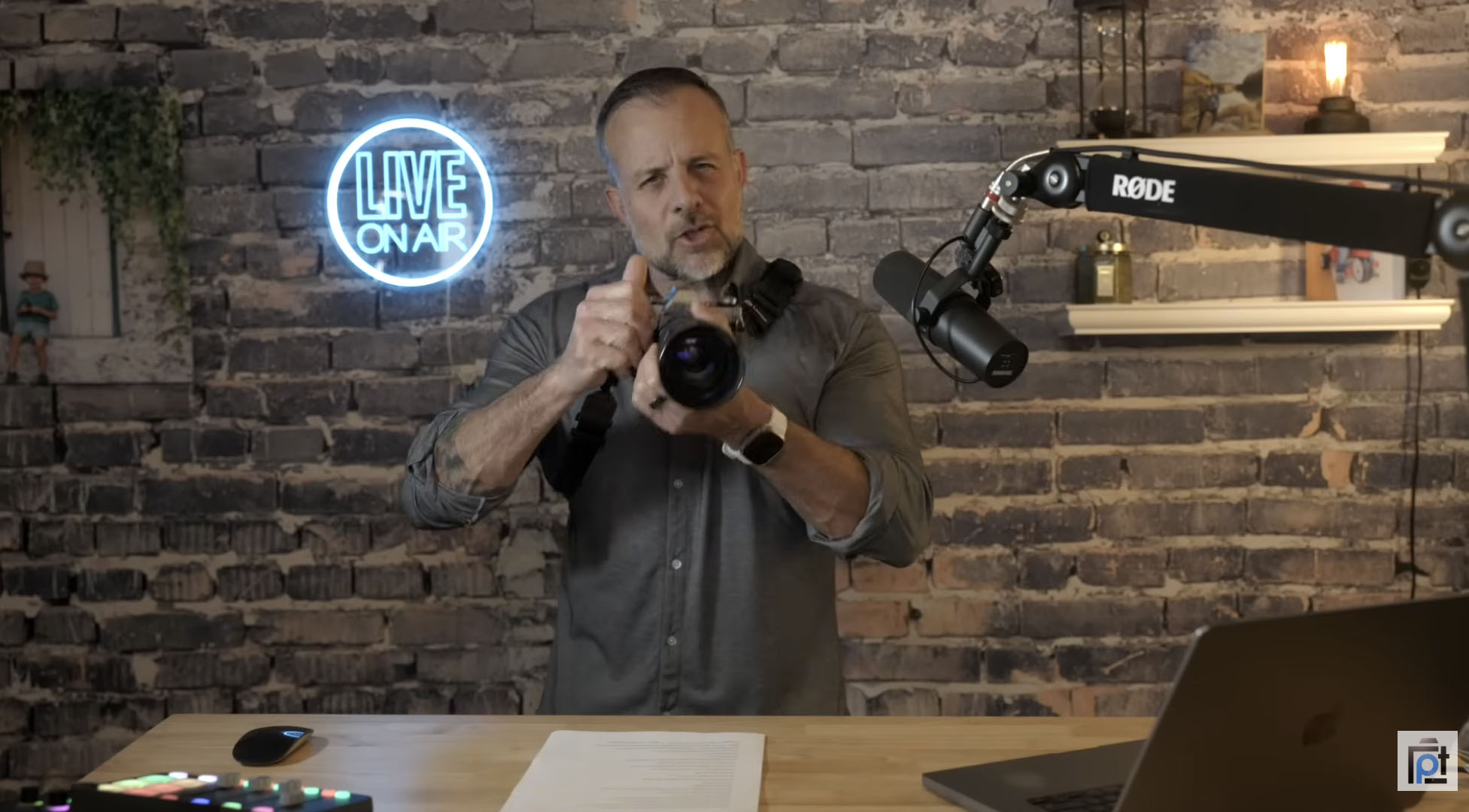
Camera comfort is easy to dismiss as a minor convenience issue. In practice, it is one of the biggest variables separating photographers who consistently produce strong work from those who find reasons to leave the camera at home. Every hour you spend with a poorly balanced strap pressing into your shoulder is an hour your body signals discomfort. Your brain responds by looking for the exit.
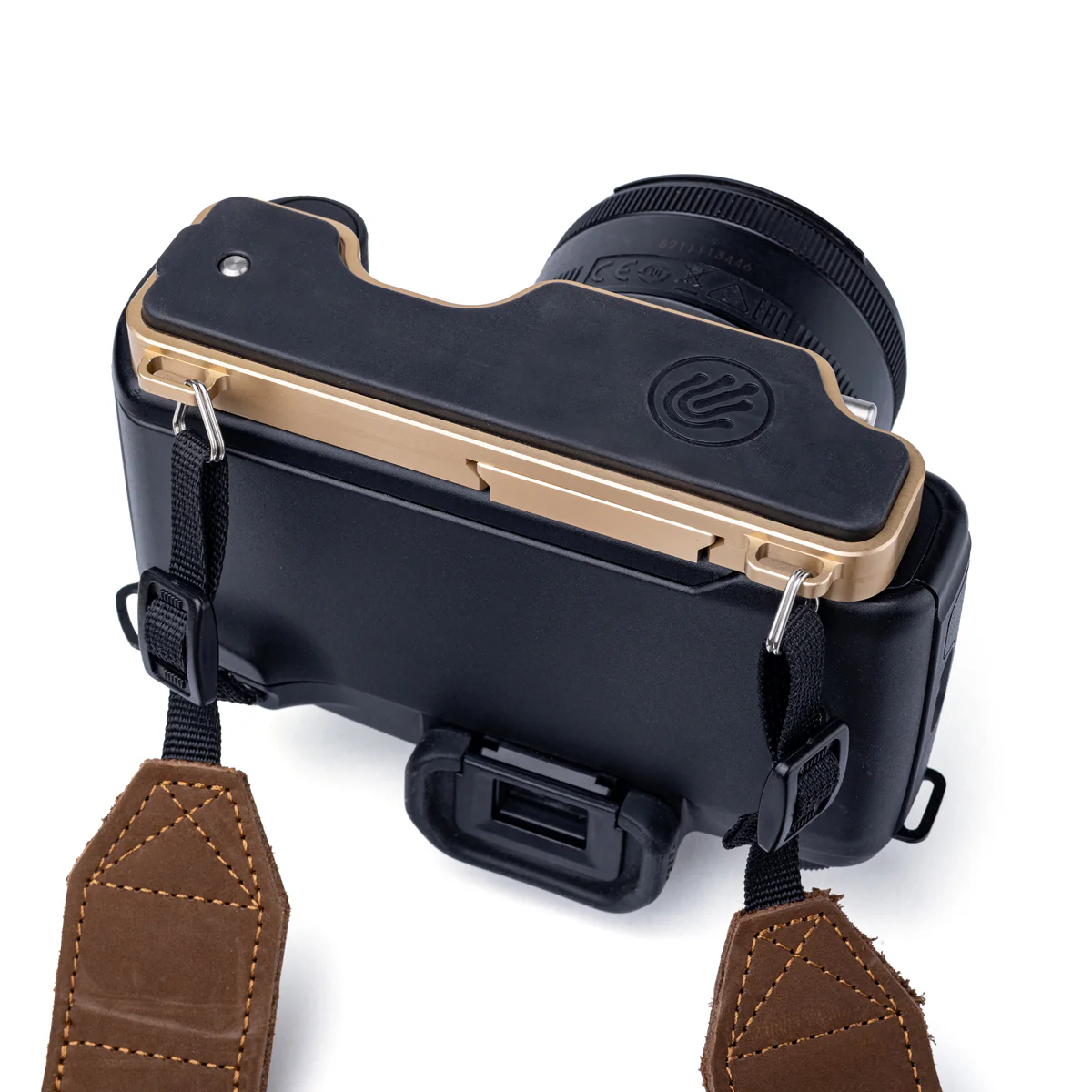
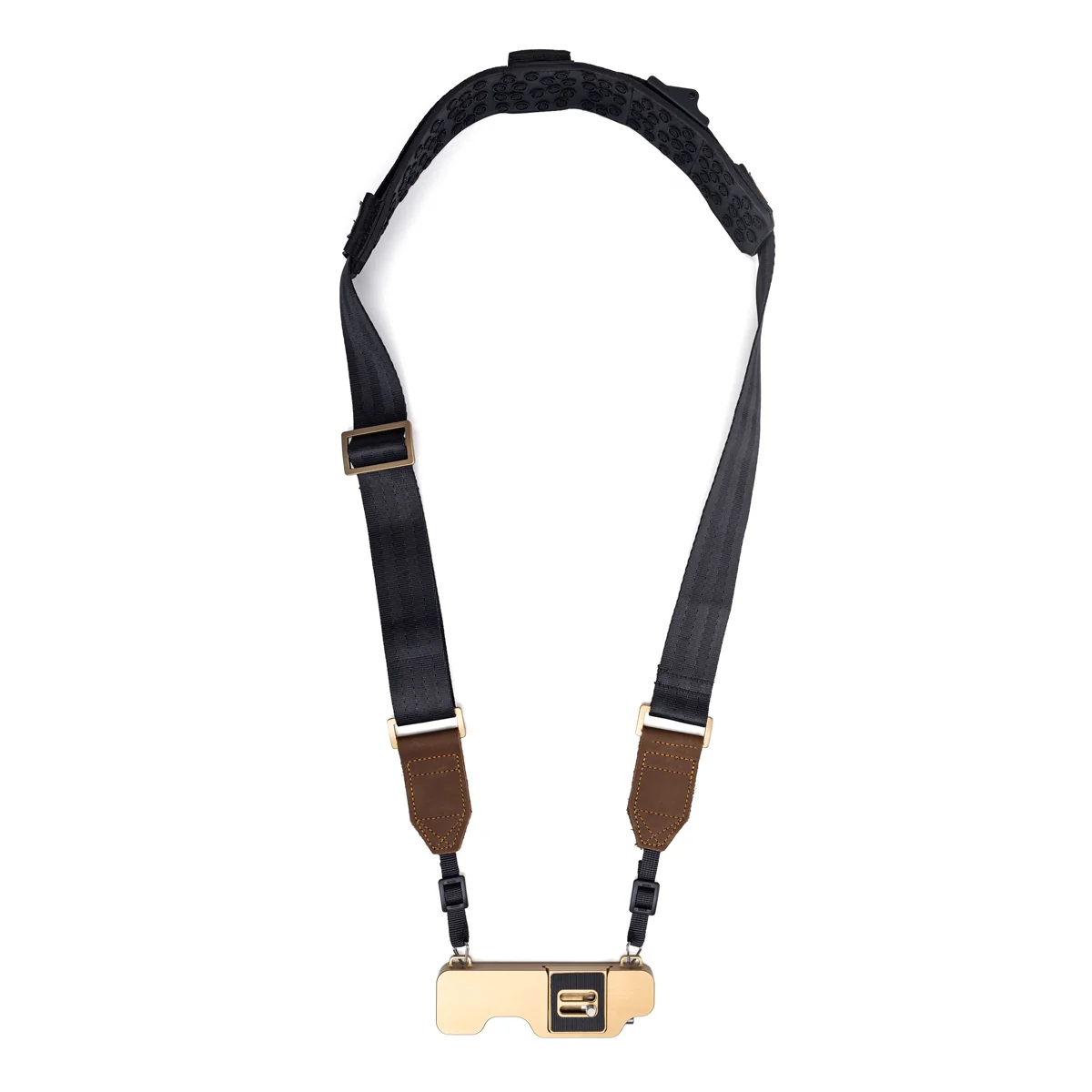
The LemurStrap was designed from scratch around this exact camera comfort problem. Unlike traditional neck or sling straps, it uses a patented baseplate system that holds the camera flat against your body, lens pointing down and screen facing up. A grippy silicone shoulder pad keeps the strap in place without pinching. A locking cam buckle lets you secure the camera while walking, then swing it to your eye in a single motion. The system is load-tested to carry 50 pounds, which handles any camera-and-lens combination you are likely to shoot with. If you want the full breakdown of how it performs on the street, check out our full LemurStrap review.
The strap launched on Kickstarter and exceeded its funding goal by 1,110%, with 1,149 backers. That response reflects a real hunger for a carry system built around how photographers move. National Geographic photographers Andy Mann and Pete McBride both noted the same thing: the strap lets them move efficiently and stop thinking about where the camera is. That kind of cognitive freedom is a key outcome of good camera comfort design, and it has a direct effect on the quality of your work.
Key Facts: The Physical Cost of Carrying a Camera
| Factor | Impact on Photographer |
|---|---|
| Neck strap carry (traditional) | Concentrates load on cervical spine; 3 to 5 times normal neck load at 30-degree forward tilt |
| Camera weight (typical mirrorless plus lens) | 1.5 to 3.5 lbs; compressive force multiplies over hours of carry |
| Repetitive strap adjustment | Interrupts shooting rhythm; increases missed-moment rate during active sessions |
| Camera swinging while walking | Causes involuntary guarding posture; tightens shoulder and upper back muscles |
| Poor carry position (screen facing outward) | Screen contact with belt and clothing; accelerated LCD wear |
| Long carry duration (4 or more hours) | Decision fatigue sets in; composition quality and willingness to shoot both decline |
| Stable, body-hugging carry position | Reduces guarding behavior, lowers physical fatigue, extends comfortable shooting time |
Buy Direct From LemurStrap
The Most Comfortable Way to Carry Your Camera
Quick-release, body-hugging, stable carry. Designed for photographers who shoot for hours at a time. Free standard shipping on all orders.
Photography Ergonomics and Your Carry System
Photography ergonomics, and camera comfort more broadly, covers the relationship between your body, your gear, and the way those two things interact over time. Most photographers think about ergonomics only when something already hurts. That is backwards. The physical setup you choose before a shoot determines how your body holds up through it. A traditional neck strap concentrates the entire camera weight on the cervical spine, which is not designed to carry sustained loads at an angle.
At a 30-degree forward tilt, the typical position for looking down at a screen, the effective neck load rises to 3 to 5 times the camera’s actual weight. Over four hours, that compressive force produces measurable camera neck strain and upper back fatigue. A body-mounted carry system changes this equation. When the camera rests flat against your torso, with weight distributed through your shoulder and chest, the load spreads across much larger muscle groups. The LemurStrap’s baseplate keeps the camera tight to your body rather than letting it swing away, which also eliminates the involuntary guarding response. For more on why your stock camera strap falls short ergonomically, we have covered that in depth as well.
The Guarding Problem
Guarding is what your body does when it anticipates impact or instability. With a swinging camera, your shoulder and upper back muscles stay partially contracted to prevent the camera from banging into things or pulling you off balance. That low-level tension does not feel dramatic at first. Over a four-hour shoot, however, it translates to real fatigue. Stable carry eliminates the trigger. Your muscles do less unnecessary work, and you arrive at hour six with more physical and mental reserves.
Shooting Endurance and Why It Disappears
Shooting endurance is one of the most important camera comfort variables. It measures how long you stay actively engaged before packing up or going through the motions, and it is also one of the most consequential. A photographer with strong shooting endurance shoots for six hours and finds the best light at hour five. A photographer whose body gives out at hour two packs up before that light ever arrives.
Physical fatigue is the primary driver of early pack-up decisions for most photographers. An uncomfortable strap creates low-grade shoulder and neck pain that wears you down gradually. You do not notice the moment it starts affecting your shooting. You notice that you are less inclined to climb that hill or walk another block for a different angle. A reviewer on the LemurStrap product page, Bill Wittman, put it directly after 45 years of photography: the LemurStrap is the best strap he has ever come across. Another user described it as ending a lifelong habit of shooting without any strap because previous options were too uncomfortable to bother with.
The LemurStrap’s locking cam buckle is central to endurance shooting. You lock the camera in place while walking, which means your shoulder muscles are not working to stabilize a swinging body. When you are ready to shoot, you reach up, release the buckle, and bring the camera to your eye. The strap slides through the silicone shoulder pad without dragging on your clothing, so the transition is smooth rather than a friction-filled wrestle. Over the course of a full day, those frictionless transitions add up to a meaningfully lower physical toll.
Accessibility, Speed, and Reaction Time

Camera access speed matters most exactly when you do not have time to think about it. Street photographers, wildlife shooters, and event photographers all face moments where a half-second delay is the difference between getting the shot and watching it walk away. Traditional neck straps require you to lift the camera off your chest, clear the strap from your body, and raise it to your eye. That is three separate actions. Traditional sling straps often catch on clothing or require an awkward forward swing.
The LemurStrap reduces camera access to two actions: release the buckle and raise the camera. The strap slides freely through the shoulder pad rather than over it. The camera moves up smoothly without resistance. The baseplate detaches from the camera via a quick-release pin. If you need to go fully handheld, you detach with one press and reattach with a click. This works equally well shooting at ground level or overhead. That reattachment happens without looking, which matters when you are tracking a subject.
When Your Carry Slows You Down
Camera strap comfort and access speed are more connected than they appear. A carry system that is uncomfortable leads to adaptive behaviors. You start loosening the strap, repositioning the camera, or partially removing it to get relief. Each adaptation introduces variables into your access routine. Conversely, a carry system you trust stays exactly where you put it. Muscle memory takes over and reaction time drops. Consistency in carry position is an underrated factor in how quickly experienced photographers raise and fire.
Creativity and Fatigue: What Physical Discomfort Does to Your Eye
There is a direct line between physical discomfort and creative output. It is not a metaphor. It is cognitive resource competition. When your body signals pain or discomfort, your brain allocates processing power to managing that signal. The resources available for noticing light quality, considering composition, and making split-second framing decisions shrink accordingly. Photographers who shoot through fatigue often describe their later-session work as mechanical. They are technically completing the motions without the engaged awareness that produces their best images.
Research on physical fatigue and decision-making consistently shows that discomfort degrades both the quality and the creativity of decisions over time. For photographers, this shows up as defaulting to familiar angles rather than exploring. It means skipping compositions that require physical effort. It also means losing the sustained attention that great street or landscape photography demands. A carry system that prioritizes camera comfort does not make you a better photographer by itself. It does, however, remove a significant drag on the photographer you already are.
Andy Best, a professional filmmaker and photographer who uses the LemurStrap, described the experience precisely. One of his favorite things about the strap is how quickly it becomes part of the way you work. When a piece of gear stops occupying mental space, your attention returns to the actual work of making photographs. That shift is real, and it compounds over the course of a long shoot.
Long-Term Body Strain: The Hidden Cost of Bad Carry Habits
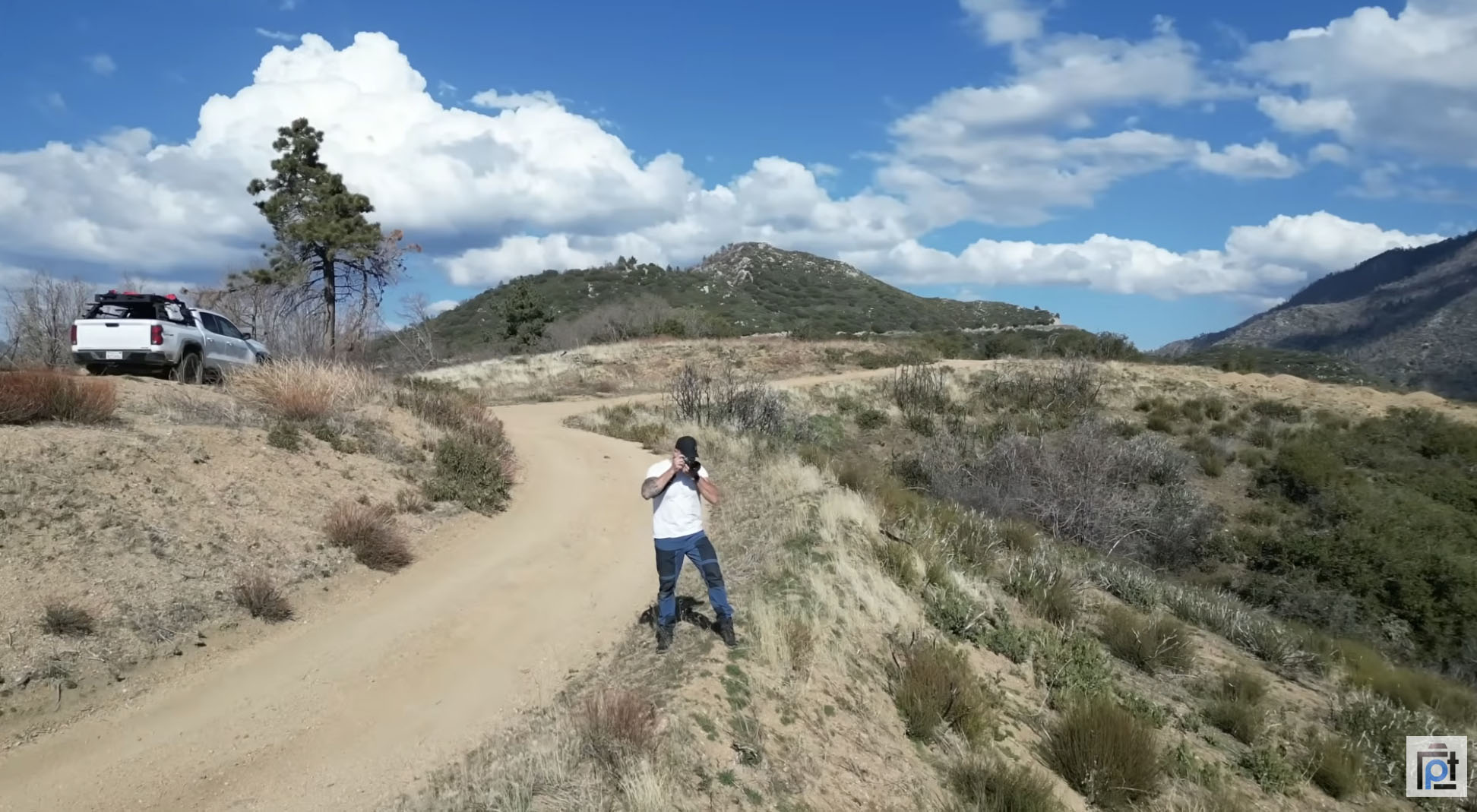
The discomfort you feel at the end of a long shoot is the visible part of a longer-term camera comfort story. Chronic carry habits, specifically the same neck strap worn the same way for years, create cumulative strain on the cervical spine, the trapezius, and the shoulder joint. Physical therapists who work with photographers note that many clients present with overuse injuries directly linked to asymmetrical camera carry. Carrying a 2-pound camera on the same shoulder every day for five years produces measurable postural imbalance in many photographers.
The LemurStrap addresses this partly through its symmetric body position. The camera sits centered on your torso rather than pulling your shoulder forward. It also helps through the absence of the guarding behavior described above. For lightweight camera carry solutions that also address long-term body health, choosing a system with even weight distribution is the most important single variable. The regular size adjusts between 45 and 55 inches, while the long version extends to 62 inches. That accommodates photographers over six feet and reduces the awkward shortened-strap carry that exaggerates shoulder tension.
Why Photographers Stop Bringing Their Cameras Places
Ask any intermediate photographer why they do not bring their camera to certain events or outings, and you hear a familiar set of answers: “It is too heavy,” “It is too much hassle,” or “I did not want to deal with it.” These sound like gear weight problems. They are almost always carry system problems. The camera itself is not heavier than it was six months ago. What changed is the accumulated association between picking it up and feeling discomfort.
This is one of the quieter ways that poor camera comfort practices damage a shooting habit. You do not stop shooting all at once. You start leaving the camera behind in situations where you used to bring it. The camera that went everywhere starts staying on the shelf for casual outings, then for trips, then for events that once felt worth documenting. The result is a shrinking body of work. Your interest in photography did not decline. The physical friction of carrying a camera simply crossed a threshold you stopped noticing.
A reviewer who had been shooting for 15 years put it plainly on LemurStrap’s product page: he never used a strap because he hated them. That has now changed, and he called it the most useful piece of gear he has ever owned. Ian Glass, a professional outdoor photographer, described the LemurStrap as the solution that finally lets him carry a camera on almost any activity. This includes biking and scrambling. The strap does not improve the shooting experience alone. It lowers the barrier to showing up with the camera at all.
LemurStrap vs. Traditional Straps: What Changes
Traditional neck straps position the camera hanging on the chest, swinging forward as you walk. They rest the load on the thinnest part of the neck and offer no mechanism for securing the camera in place during active movement. Traditional sling straps improve on this by moving the camera to one side. The camera still swings, though, and the strap still slides. Access still requires a full repositioning of the system. Neither design was built for extended wear.
The LemurStrap takes a different approach to camera comfort. The patented baseplate attaches to the camera’s tripod mount via an ARCA-compatible quick-release plate. This positions the camera against your body with the lens pointing down and the screen facing up. This protects both surfaces from contact damage and keeps the camera stable whether you are standing still or moving quickly. The silicone shoulder pad grips your shoulder from the inside while allowing the webbing strap to glide through it freely. The camera moves to your eye without the pad moving off your shoulder. For a side-by-side look at how to choose the right camera strap for your shooting style, we have covered the full category in detail.
The most meaningful difference, however, is behavioral. Good camera comfort design changes how you relate to your camera between shots. Photographers who use the LemurStrap consistently report that they stop thinking about the camera between shots. That is the real goal of good carry design. Camera strap comfort is not a luxury. It is the condition that lets your attention stay on the work.
Save on LemurStrap
Stop Adjusting. Start Shooting.
The LemurStrap complete kit includes the shoulder strap, patented baseplate, and ARCA-compatible tripod adapter. Everything you need for all-day comfortable carry.
Pros and Cons
Pros
- Camera stays flat against the body, eliminating swinging and guarding tension
- Patented locking cam buckle secures position during active movement; unlocks in one motion
- ARCA-compatible quick-release plate works with major tripod systems and Peak Design gear
- Grippy silicone shoulder pad stays in place without sliding during camera raise
- Screen-up carry position protects LCD from belt and zipper contact damage
- Load-tested to 50 lbs; handles the heaviest mirrorless bodies with telephoto lenses
- Available in regular (45-55 in.) and long (45-62 in.) to fit a wide range of body types
- Onboard T-25 wrench stored in hidden baseplate compartment; no separate tool needed
Cons
- Narrow ARCA-Swiss slots limit compatibility with some third-party plates, including Ulanzi, Falcam, and Peak Design Capture
- At $119.95 for the full kit, above budget strap options in price
- Large telephoto lenses obstruct access to the quick-release pin on some camera-lens combinations
- T-25 hex wrench is imperial; international users should keep the included wrench as a dedicated tool
- Optimized for left-shoulder wear; right-shoulder use requires tether adjustment
Final Verdict
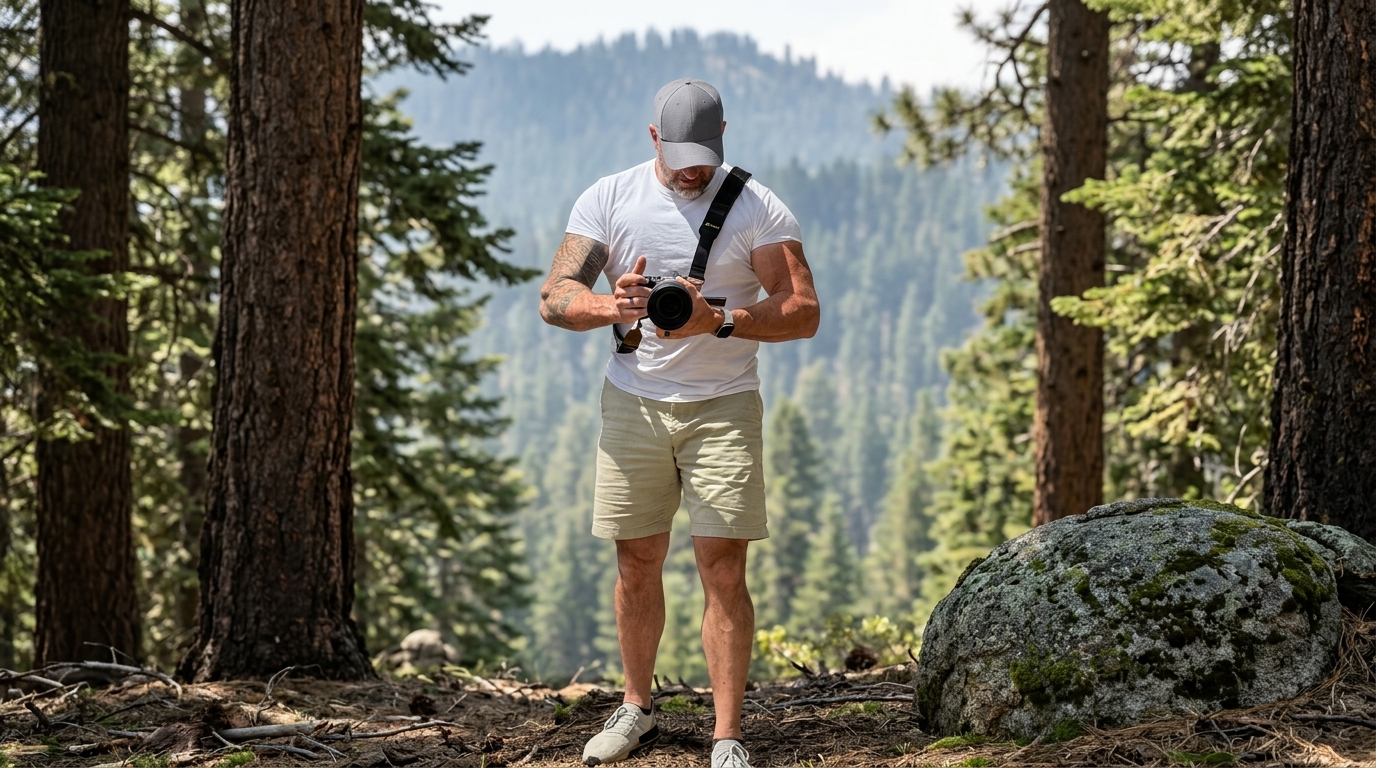
The LemurStrap is built for photographers who spend meaningful time with a camera on their body. Street shooters, travel photographers, event photographers, and anyone who takes extended outdoor outings with gear will find the most value here. Its biggest strength is not any single feature. It is the cumulative effect of good carry design. The camera stays where you put it. Access is fast and consistent. Your body is not quietly working against you all day. For photographers who have noticed discomfort eroding their shooting endurance or motivation, the LemurStrap addresses the problem at the source rather than at the symptom.
The trade-offs are real and worth knowing before you buy. If your existing workflow depends on third-party Arca plates from Ulanzi, Falcam, or Peak Design Capture clips, the LemurStrap is not a drop-in addition. Its proprietary baseplate means you work within its ecosystem rather than mixing systems freely. Photographers who shoot with large telephoto lenses should also verify pin-release access with their specific lens before committing. These are system limitations, not failures of execution. The strap itself is thoughtfully made and well-reviewed across more than 160 verified purchasers.
At $119.95, the LemurStrap sits above the budget end of the strap market. Compared to the Peak Design Slide at $79.95 or the BlackRapid Sport at around $60, it is a meaningful investment. The case for spending the extra money is straightforward. If the carry system changes how often you bring the camera and how long you stay in the field, those additional hours have real photographic value. That value far exceeds the price difference.
For photographers who want a fundamentally different relationship with how they carry their camera, the LemurStrap earns a clear recommendation. Specifically, those who want the strap to disappear from awareness and the camera to always be exactly where they expect it will find what they are looking for. Photographers whose shooting is mostly studio-based or tripod-heavy will find less value in the system’s carry-focused design.
Ready to Buy?
Check Today’s Price on the LemurStrap
Backed by a 30-day money-back guarantee and a 90-day manufacturing warranty. Free standard shipping on all orders.
Frequently Asked Questions
Does a better camera strap reduce shoulder and camera neck strain?
Yes, significantly, but the type of strap matters. Traditional neck straps concentrate the camera’s full weight on the cervical spine at a forward angle, multiplying the effective load by 3 to 5 times. Body-mounted straps like the LemurStrap distribute weight through the shoulder and chest while keeping the camera stable against your torso. This eliminates the guarding tension that builds through long shoots and reduces cumulative camera neck strain and upper back fatigue.
How does camera comfort affect creative output?
In camera comfort, physical discomfort competes directly with the mental resources you would otherwise spend on composition and observation. When your body signals pain or manages instability, your brain allocates processing power to that signal. The result is a gradual shift toward mechanical, habitual shooting rather than engaged, exploratory work. Photographers consistently report more creative energy during long shoots when their carry system keeps discomfort low.
What is the best camera strap for all-day shooting endurance?
For all-day shooting endurance and camera comfort success, the key variables are weight distribution, carry stability, and access speed. Systems that hold the camera flat against the body, like the LemurStrap’s baseplate design, outperform traditional slings and neck straps over long durations. They eliminate the swinging, guarding, and repositioning that deplete physical and mental energy. The LemurStrap is specifically designed and positively reviewed for extended wear across street, travel, and outdoor photography contexts.
Why do photographers stop carrying their cameras to events and outings?
The most common reason is accumulated friction. The physical and mental cost of dealing with an uncomfortable carry system becomes high enough that the camera starts staying home. Photographers rarely stop out of lost interest. They stop because the carry experience has degraded the motivation to start. A carry system that removes that friction addresses the root cause and, for many photographers, restores the habit of bringing the camera along.
Is the LemurStrap compatible with my camera and tripod?
The LemurStrap baseplate is compatible with most DSLR and mirrorless cameras wider than 4 and three-quarter inches, including Nikon, Canon, Sony, and Panasonic bodies. The tripod adapter is ARCA-Swiss compatible and works with Peak Design gear and most major tripod manufacturers. Note that the narrow Arca slots limit compatibility with some third-party plates. If you use a specific plate ecosystem, verify compatibility before purchasing.
What is the difference between the regular and long size LemurStrap?
The regular size adjusts between 45 and 55 inches and fits most photographers between 5’3″ and 6 feet. The long size extends to 62 inches, which is 7 inches longer than the regular. It is recommended for photographers over 6 feet tall or with larger body types. Both sizes share the same shoulder pad, baseplate, and all other features. If you are between sizes or unsure, LemurStrap’s sizing guide and customer support will help you choose the right fit.
Heads up: Clicking on our affiliate links and exploring our sponsored content helps us at no extra cost to you, and we only recommend gear we’re absolutely crazy about!

