


Quick Facts: World Cup No Drone Zone
- Tournament window: June 11 through July 19, 2026
- Host countries: United States, Canada, Mexico (first three-nation World Cup)
- Host cities: 16 across North America
- Civil penalty: Up to $75,000 per violation
- Criminal fine: Up to $100,000
- Enforcement partners: FAA, FBI, local law enforcement
- Required pre-flight tool: B4UFLY app
- Official source: faa.gov/fifaworldcup2026
Table of Contents
- What the FAA Announced About the World Cup No Drone Zone
- Where and When the World Cup No Drone Zone Applies
- Penalties for Flying in a World Cup No Drone Zone
- How Enforcement Works
- Stadium Drone Rules Already on the Books
- What Pilots, Photographers, and Fans Should Do
- Why the World Cup No Drone Zone Matters
- FAQ
- Bottom Line
The new World Cup No Drone Zone rules ban every unauthorized drone flight around 2026 FIFA World Cup stadiums and event spaces from June 11 through July 19. Fly one anyway and you face civil fines up to $75,000, criminal fines up to $100,000, equipment seizure, and possible federal charges. The FBI holds authorization to intercept and bring down any drone breaching the airspace.
If you plan to photograph or film any World Cup match, host city, or fan event, leave the drone at home. Below is what the World Cup No Drone Zone announcement covers, where it applies, and how to avoid a six-figure penalty.
What the FAA Announced About the World Cup No Drone Zone
On May 3, 2026, the FAA released its safety plan for the FIFA World Cup. The agency declared all tournament venues and surrounding areas strict No Drone Zones. The FAA, the FBI, and local law enforcement will jointly monitor airspace around games and related events.
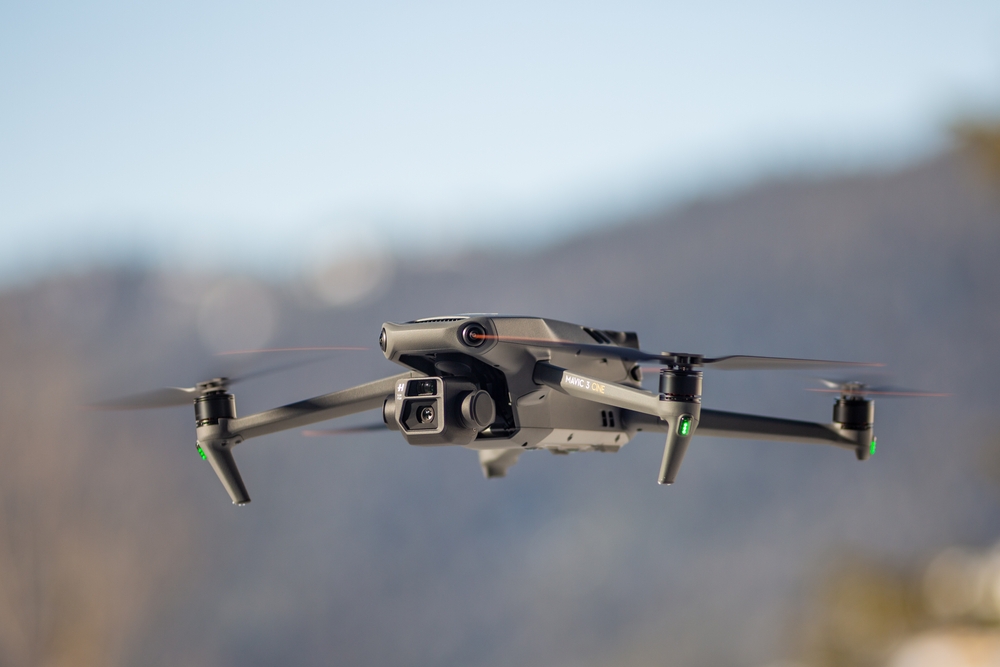
No one is allowed to launch, land, or operate a drone within restricted airspace around World Cup venues. Even licensed Part 107 operators and pilots with prior authorization receive no exemption during active restriction windows. Taking off, landing, or flying a drone inside a World Cup No Drone Zone counts as a serious violation of federal and local regulations.
Image source: Shutterstock
Where and When the World Cup No Drone Zone Applies
The 2026 World Cup runs from June 11 through July 19, 2026. The opening match takes place in Mexico City on June 11. The final is scheduled for July 19 at MetLife Stadium in East Rutherford, New Jersey. The tournament marks the first time three nations co-host the event.
Sixteen host cities fall under protected airspace during match windows:
- United States (11): Atlanta, Boston, Dallas, Houston, Kansas City, Los Angeles, Miami, New York/New Jersey, Philadelphia, San Francisco Bay Area, Seattle
- Mexico (3): Guadalajara, Mexico City, Monterrey
- Canada (2): Toronto, Vancouver
The United States hosts 78 of the tournament’s matches, including every game from the quarterfinal stage forward. Canada and Mexico host 13 matches each. With millions of fans expected across the three countries over a six-week window, restricted airspace stretches across nearly every major North American sports market.
Penalties for Flying in a World Cup No Drone Zone
The FAA outlined a layered penalty structure for any World Cup No Drone Zone violation:
- Civil penalties: Up to $75,000 per violation
- Criminal fines: Up to $100,000
- Equipment seizure: The FBI is authorized to deploy specialized mitigation tools, intercept drones in flight, and confiscate gear
- Federal charges: Violators face federal criminal charges and possible immediate arrest at the scene
Penalties stack. A single unauthorized flight risks both civil fines and criminal prosecution depending on the conduct, the airspace breached, and any harm caused.
How Enforcement Works
The agency will activate Temporary Flight Restrictions, known as TFRs, during match windows. A TFR is a published airspace restriction with defined boundaries, altitudes, and time periods. During an active TFR, all aerial activity inside the designated zone is limited or prohibited.
The FAA will use federally authorized detection and tracking systems around World Cup venues. These systems identify the drone, log its flight path, and feed data to law enforcement on the ground. The FBI will then use mitigation tools to neutralize the device and locate the operator.
Operators do not need to be inside a stadium to draw a violation. World Cup No Drone Zone restrictions extend to surrounding event spaces, including fan zones, FIFA Fan Festivals, training sites, and broadcast compounds.
Stadium Drone Rules Already on the Books
The World Cup announcement builds on a long-standing federal stadium rule. Federal law restricts drone flights at or below 3,000 feet above ground level (AGL) within a 3 nautical mile radius of any stadium with a seating capacity of 30,000 or more during covered events. Covered events include Major League Baseball games, regular and post-season NFL games, NCAA Division I football games, and major motor speedway events.
The standing TFR opens one hour before the scheduled event time and closes one hour after the event concludes. The FAA tracks active windows through its Sporting Event Automated Monitoring System (SEAMS), which publishes near real-time updates.
The new World Cup TFRs build on this baseline. Expect equal or expanded boundaries, longer activation windows around marquee matches, and stricter enforcement given the international profile of the tournament.
What Pilots, Photographers, and Fans Should Do
If your work or hobby brings you anywhere near a host city during the tournament, take these steps:
- Check the B4UFLY app before every flight. The free app from the FAA shows current airspace restrictions, active TFRs, and any temporary closures. Available on iOS and Android.
- Read TFR notices on the FAA website. Visit faa.gov/uas/getting_started/temporary_flight_restrictions before any operation near a host city.
- Leave the drone at the hotel. If you bought tickets to a match, do not bring a drone to the stadium. Restrictions cover the venue, parking lots, and surrounding event spaces.
- Skip flights outside game hours near venues. The agency stated restrictions extend to event spaces, which include practice sessions, media days, and fan festivals on non-match days.
- Pursue official credentials for aerial work. Production teams with FIFA accreditation operate under controlled conditions. If you work for a broadcast outlet, contact FIFA’s media office at least two months out. Expect slow approval and heavy compliance requirements. While you wait, sharpen your ground-level coverage with our sports photography library.
- Plan ground-based content. Bring your DSLR or mirrorless body, a fast prime, a long zoom for stadium shots, and a gimbal for handheld video. Capture color around the city instead.
Pilots flying near host cities in Canada should also check Transport Canada rules and any NOTAMs (Notices to Air Missions). Pilots flying near Guadalajara, Mexico City, or Monterrey should check rules issued by the Agencia Federal de Aviación Civil (AFAC).
Image source: Shutterstock
Why the World Cup No Drone Zone Matters
Stadium TFRs are not new, and the FAA has issued large fines before. In December 2020, the agency fined a single drone pilot $182,000 for 123 separate Part 107 violations. What makes 2026 different is the enforcement footprint. A six-week tournament across three countries means you cannot count on quiet gaps between games. Restricted airspace covers nearly every major North American media market for 39 straight days, and FBI involvement signals the kind of coordinated response usually reserved for the Super Bowl.
FAQ: World Cup No Drone Zone Questions
Does the World Cup No Drone Zone apply to authorized commercial operators?
Yes. The FAA stated that even licensed drone operators or those with prior authorization will not be exempt during active restrictions.
How close to a stadium triggers a violation?
The standing federal stadium rule restricts flights within a 3 nautical mile radius and below 3,000 feet AGL during covered events. World Cup TFRs will publish exact boundaries on the FAA website. Check official TFR notices before any flight in or near a host city.
Where do I check airspace restrictions before flying?
Use the FAA’s B4UFLY app, available free on iOS and Android. The agency also publishes TFR notices online at faa.gov.
What happens if I fly inside a World Cup No Drone Zone?
You face civil fines up to $75,000, criminal fines up to $100,000, equipment seizure, and federal criminal charges. The FBI holds authorization to use specialized mitigation tools to bring drones down and locate the operator.
Do these rules apply in Canada and Mexico?
The FAA enforces airspace inside US borders. Canada and Mexico operate their own aviation authorities. Drone pilots near Toronto and Vancouver should follow Transport Canada rules. Drone pilots near Guadalajara, Mexico City, and Monterrey should follow rules from the Agencia Federal de Aviación Civil (AFAC). Expect parallel restrictions during match windows.
Are recreational drones treated differently than commercial ones?
No. The FAA stated all unauthorized drone operations are prohibited around stadiums and official event locations, regardless of pilot certification or aircraft size.
Does my Part 107 waiver still apply?
Not during active TFRs around World Cup venues. The FAA explicitly stated prior authorizations do not exempt operators while restrictions are active.
Bottom Line on the World Cup No Drone Zone
Plan your World Cup coverage around grounded gear. Bring your camera body, your fast lenses, your gimbal, and a tripod. Leave the drone at home unless you hold direct FIFA accreditation. One $100,000 mistake outweighs any aerial shot, and the FBI’s authority to seize equipment turns a single bad flight into a federal case file.

