


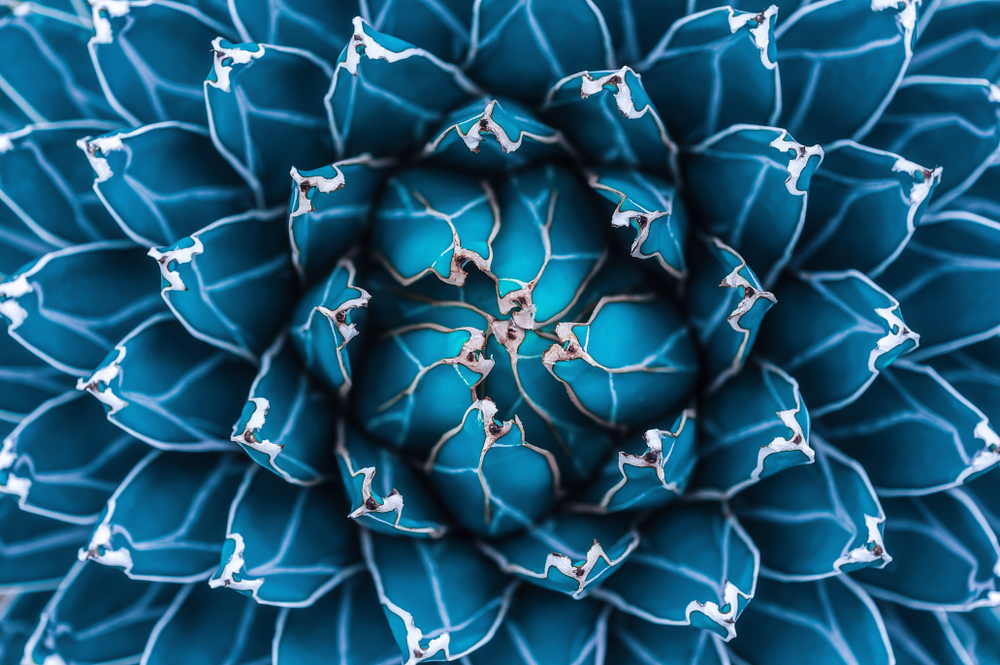
I’ve been behind the lens since the 1990s, and abstract photography has consistently been one of the most rewarding creative disciplines I return to. Over three decades of shooting, teaching, and working alongside photographers across the world, I’ve watched folks completely transform the way they see after spending even one afternoon with abstract concepts. What I tell every photographer who comes to me for instruction is simple: the world is already full of compelling images. Your job isn’t to create the subject. Your job is to notice what’s already there.
Abstract photography strips a scene down to its essential visual elements: shape, line, texture, color, and pattern. Because you’re no longer bound to literal representation, everyday scenes become raw material. A chain-link fence throws geometric shadows. Rain-streaked windows turn a parking lot into an impressionist painting. Rusted gates offer more tonal complexity than most studio setups I’ve worked in. With that, let’s explore the core techniques for finding abstract photography ideas in ordinary places.
Quick Facts:
- Topic: Abstract photography for everyday scenes
- Skill level: Beginner to intermediate
- Gear required: Any camera, including smartphone
- Best subjects: Texture, pattern, shadow, reflection, color
- Best for: Photographers who want to develop creative vision and produce wall art from everyday subjects
8 min read
In This Article
- Abstract Photography Overview: What It Is and Why It Works
- Key Elements of a Strong Abstract Photo
- How to Find Abstract Photography Subjects Every Day
- Core Techniques for Shooting Abstract Photography
- Printing Abstract Photography: Why HD Metal Works Best
- HD Metal vs. Canvas: Which Is Right for Abstract Work?
- Pros and Cons
- Final Verdict
- Frequently Asked Questions
Abstract Photography Overview: What It Is and Why It Works

Abstract photography is the practice of creating images emphasizing visual elements over literal subject matter. Form, texture, color, line, and pattern take priority. A photo of a fire escape becomes an exercise in repeating geometric shapes. A close-up of weathered wood becomes a study in tonal contrast. The subject still exists in the frame; however, it’s no longer the point. The point is the visual experience the image creates in the viewer.
This distinction matters because it changes how you approach abstract photography ideas in the field. Instead of asking “what should I photograph?”, you start asking “what shape, texture, or pattern is interesting here?” The shift in perspective is what makes abstract photography so effective as a teaching tool. I’ve used it in workshops for well over a decade, and it reliably breaks photographers out of formulaic thinking faster than any other exercise I know.
Abstract photography also pairs exceptionally well with fine art printing. Because the genre depends on tonal depth, surface detail, and color accuracy, the substrate you choose for output matters significantly. Abstract images with strong contrast and saturated color reward a print medium amplifying those qualities rather than flattening them. For this reason, Artbeat Studios HD metal prints are a natural fit, and I’ll cover the connection specifically in the printing section below.
Key Elements of a Strong Abstract Photo
| Element | What It Contributes |
|---|---|
| Shape / Form | Guides the viewer’s eye; provides compositional structure without a traditional subject |
| Texture | Creates visual and tactile interest; especially effective in close-up work and side-lit scenes |
| Color | Establishes mood and emotional tone; isolated color against neutral backgrounds creates impact |
| Line | Creates motion, rhythm, and depth; repeating lines are a core abstract photography subject |
| Pattern | Produces visual rhythm; breaking the pattern with a single anomaly focuses the viewer’s attention |
| Light / Shadow | Controls tonal contrast; dramatic shadows simplify scenes and reveal form color often obscures |
Print Your Abstract Work
Artbeat Studios HD Metal Prints
HD metal prints deliver color depth, sharp contrast, and 65+ year fade resistance. It’s the right substrate for abstract photography deserving a place on your wall.
How to Find Abstract Photography Subjects Every Day
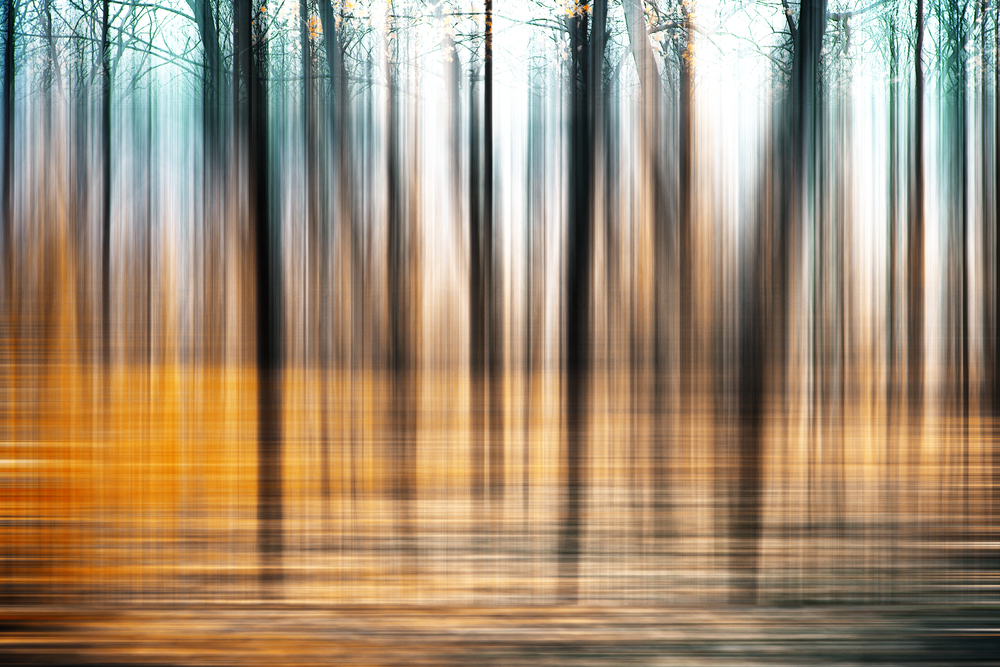
The most common frustration I hear from photographers new to abstract work is not knowing what to shoot. After teaching this genre for years, I’ve found the issue isn’t a shortage of subjects. The issue is a shortage of attention. Abstract photography ideas are available within 20 feet of wherever you’re standing. Training yourself to see them is the work.
Look for Light Before You Look for Objects
Strong side light falling across any textured surface produces abstract photography subjects without additional effort. Concrete, wood grain, brick, fabric, and rust all respond dramatically to raking light. In morning or late afternoon, when the sun hits at a low angle, surfaces you walk past every day reveal texture you’ve never noticed before. I’ve shot compelling abstract work on a loading dock, a highway overpass, and a hardware store parking lot. All of these were single-afternoon sessions in Wyoming, where the light quality is something I never take for granted.
Isolate Rather Than Include
One of the core disciplines in abstract photography is subtraction. Instead of including context, you remove it. A macro lens or tight crop turns a bicycle spoke into a repeating geometric pattern. A section of peeling paint becomes a study in layered color. Reflections in puddles, car hoods, and glass facades isolate fragments of the environment and present them out of context. Shooting at f/2.8 or wider throws the surrounding scene out of focus, leaving only the selected element sharp against a soft background. This is one of the most effective everyday photography subjects techniques available, because it requires no unusual location or equipment.
Urban and Industrial Environments
Cities produce the highest density of abstract photography subjects per block of any environment. Fire escapes, ventilation grates, scaffolding shadows, and stacked shipping containers all offer geometric complexity. Similarly, industrial environments such as warehouses, rail yards, and construction sites offer texture and pattern at scales landscape rarely provides. Many of the strongest abstract images I’ve produced over 30 years came from locations most photographers walk past without lifting the camera. The everyday photography subjects worth your attention are usually hiding in plain sight, not in locations requiring special access.
Core Techniques for Shooting Abstract Photography

Technical execution matters in this genre because you’re often working with shallow depth of field, manual focus, non-standard angles, or intentional motion blur. Each of these tools serves a specific visual purpose. Knowing when to use them separates strong abstract images from generic close-up shots.
Perspective and Angle Changes
Shooting straight down, from ground level, or at a 45-degree angle to a flat surface changes the way the viewer reads the image. An overhead shot of a tiled floor at f/8 becomes a repeating pattern composition. A ground-level shot looking across pavement at low light turns a mundane surface into a dramatic foreground element. Changing your angle costs nothing and produces results no amount of post-processing replicates. I also spend considerable time in any environment simply moving around without raising the camera. Looking before shooting is a habit I’ve built into every workshop I’ve run, because it produces significantly better frame selection than shooting first and editing later.
Shutter Speed as a Creative Tool
Slow shutter speeds between 1/4 and 2 seconds turn motion into abstraction. Water in a stream becomes smooth silk. Traffic lights in a city produce light trails simplifying a busy intersection into flowing color. Intentional camera movement during a 1-second exposure creates painterly streaks from trees, lights, or architecture. These are not accidents. They’re deliberate decisions about what information to include and what to let blur into tone. Abstract photography ideas using motion as a subject are among the most accessible for photographers working without specialized equipment. A tripod and shutter release are the only additional tools required.
Post-Processing for Abstract Images
In post, contrast and clarity are your primary tools for abstract photography. Increasing local contrast reveals texture detail a flat edit obscures. In Lightroom, a Clarity boost between +30 and +60 works well for most texture-based abstract images without introducing halos. Targeted color grading, specifically shifting hue, saturation, and luminance on individual color channels, transforms an ordinary surface into something visually arresting. Studying black and white photography prints is also useful practice for abstract work, because tonal relationships color disguises become obvious in monochrome. Many photographers shoot abstract subjects in color and convert selectively, keeping only the tonal structure serving the image.
Printing Abstract Photography: Why HD Metal Works Best

Abstract photography depends on qualities HD metal printing handles better than any other substrate: contrast, color depth, and surface detail. When an abstract image contains fine texture, high tonal contrast, or saturated color, those qualities need a print medium amplifying rather than absorbing them. Canvas adds surface texture of its own, which competes with the image’s inherent texture. Paper matte finishes absorb light and reduce apparent contrast. HD metal, by contrast, infuses the image directly into the aluminum substrate through dye sublimation, producing prints where the color appears to come from within the surface itself.
Artbeat Studios HD metal prints use a process the company has refined over 20 years of production. Their prints are rated at 65+ years of fade resistance, which is three times the longevity of Kodak Silver Halide paper. For photographers wanting their abstract work to hold up as permanent wall art, this is a meaningful specification. Artbeat Studios produces all metal prints for photographers in-house in California, which gives them direct quality control at every step of production. For abstract images specifically, the HD Gloss and Silver Gloss finish options both deliver the luminous contrast making texture-heavy and high-saturation abstract work compelling at display scale.
Worth noting, also, is what happens when you print an abstract image and see it on a wall for the first time. The experience of evaluating your own work as a physical object rather than a backlit screen reveals compositional and tonal decisions you couldn’t see on a monitor. Research consistently shows printing your photos strengthens your skills as a photographer, and this is especially true for abstract work, where tonal relationships and edge quality are everything.
Ready to Print Your Abstract Work?
Order Artbeat Studios HD Metal Today
In-house California production, free shipping over $150, and finish options built for photographers demanding color accuracy and tonal depth.
HD Metal vs. Canvas: Which Is Right for Abstract Work?

The core difference between HD metal and canvas for abstract photography comes down to surface competition. Canvas introduces its own woven texture into the visual experience of a print. For landscape and portrait photography, this texture often enhances warmth and depth. However, for abstract images where the subject is often texture itself, such as weathered metal, layered paint, concrete, or fabric, canvas texture competes with image texture. The result is a print where two texture systems fight each other, and neither wins cleanly.
HD metal eliminates this problem. The aluminum surface is smooth, and the image is infused into it rather than printed on top. So the texture visible in an abstract print on HD metal comes entirely from the image, not the substrate. For this reason, texture-driven abstract photography ideas print more accurately and powerfully on metal than on canvas. If you’re choosing between the two for abstract work specifically, metal is the stronger choice in most cases. For broader guidance on substrate selection across genres, the best substrate for printing your photos guide covers the full comparison across media types.
The one scenario where canvas serves abstract photography better is large, color-field work. Abstract images primarily about broad areas of color with minimal fine detail benefit from canvas adding a painterly warmth complementing the image’s character. However, for the majority of abstract photography subjects covered in this article, including texture, pattern, shadow, reflection, and geometric form, HD metal is the right call.
Pros and Cons
Pros
- No specialized gear required; any camera or smartphone produces abstract images
- Everyday environments offer unlimited abstract photography subjects at no cost
- Abstract photography develops compositional awareness faster than most other genres
- HD metal printing amplifies the contrast and color depth abstract images depend on
- Artbeat Studios’ 65-year fade rating ensures long-term display quality
- In-house California production gives Artbeat Studios direct quality control over every print
Cons
- Abstract photography requires intentional training of the eye; results improve over time, not immediately
- Shooting at tight angles and close distances increases camera shake risk; a tripod helps
- Post-processing abstract images takes more time than straightforward documentary shots
- HD metal reflects ambient light, so display placement matters more than with matte paper
Final Verdict

Abstract photography is the most accessible creative discipline in photography, and also one of the most misunderstood. Photographers at every skill level assume it requires unusual subjects or specialized equipment. Neither is true. After three decades of shooting and well over ten years of teaching this genre, I’ve worked alongside photographers from around the world. I’m confident in saying the only requirement is a shift in attention. You stop asking what to photograph and start asking what visual element in front of you is worth isolating. Once you make the shift, the subject pool becomes essentially unlimited.
The techniques covered in this guide, specifically side light for texture, subtraction for isolation, perspective changes, and controlled motion blur, are tools any photographer with any camera puts to use immediately. The challenge isn’t technical. It’s perceptual. Abstract photography trains you to see the structure underneath a scene rather than the scene itself, and the training transfers across every genre you shoot.
When it comes to printing abstract work, Artbeat Studios HD metal prints are the right choice for the reasons outlined above. The surface characteristics of HD metal, specifically smooth, non-competing, and luminous, serve abstract images better than canvas or matte paper for most subject types. The 65-year fade rating and in-house production model back quality with real accountability. If you’re producing abstract photography and want to see it on a wall at the scale it deserves, this is where to start.
Ready to Buy?
Check Today’s Price on Artbeat Studios HD Metal
Free shipping on orders over $150. All prints produced in-house in California with a quality guarantee and 65+ year fade resistance.
Frequently Asked Questions
What is abstract photography?
Abstract photography is a genre emphasizing visual elements, specifically shape, texture, color, line, and pattern, over literal subject representation. An abstract image is often unrecognizable as a specific object or scene. Instead, it creates a visual or emotional response through composition and form alone. The genre traces its roots to the early 20th century and has produced some of photography’s most recognized fine art work.
How do you find abstract photography subjects in everyday life?
The most productive approach is to look for light before looking for objects. Strong side light falling across any textured surface produces compelling abstract photography subjects in seconds. Beyond light, look for repeating patterns, strong geometric shapes, reflections in glass or water, and areas of isolated color against neutral backgrounds. Urban environments, industrial areas, and even your own home offer everyday photography subjects worth shooting abstractly.
Is abstract photography hard for beginners?
Abstract photography is among the most beginner-accessible genres because it requires no specialized gear and no unusual locations. A smartphone produces strong abstract images. The primary skill is perceptual, specifically learning to see form, texture, and pattern as subjects rather than looking for traditional photographic scenes. Most photographers working seriously on abstract photography see improvement within the first few sessions because the feedback loop is fast and the subject pool is unlimited.
What camera settings work best for abstract photography?
Settings depend on the specific abstract effect you’re pursuing. For texture and detail, use f/5.6 to f/11 with a macro lens or at close focusing distance. To isolate the background, use f/1.8 to f/2.8. Motion blur effects work well with shutter speeds between 1/4 and 2 seconds; use a tripod. For sharp, pattern-based compositions in good light, aperture priority at f/8 with auto ISO handles most situations cleanly.
Why do abstract photos look better on HD metal than on canvas?
Abstract photography subjects frequently involve texture as the primary visual element. Canvas introduces its own woven surface texture competing with image texture, which weakens the print’s impact. HD metal prints, by contrast, infuse the image into a smooth aluminum substrate. All visible texture comes from the photograph itself. The result is a more accurate and more visually powerful presentation of abstract work. Artbeat Studios HD metal also delivers high contrast and color saturation further serving the genre.
How long do Artbeat Studios HD metal prints last?
Artbeat Studios rates their HD metal prints at 65+ years of fade resistance. For comparison, Kodak Silver Halide paper typically rates at around 20 years. The dye sublimation process used for HD metal infuses the image into the aluminum substrate rather than applying ink to the surface. This is a significant factor in the extended durability and why Artbeat Studios is a top choice among metal prints for photographers serious about display longevity.
A quick heads-up: If you snag something through our affiliate links or check out our sponsored content, we might earn a commission at no extra cost to you. But fear not, we’re all about recommending stuff we’re truly stoked about!

