


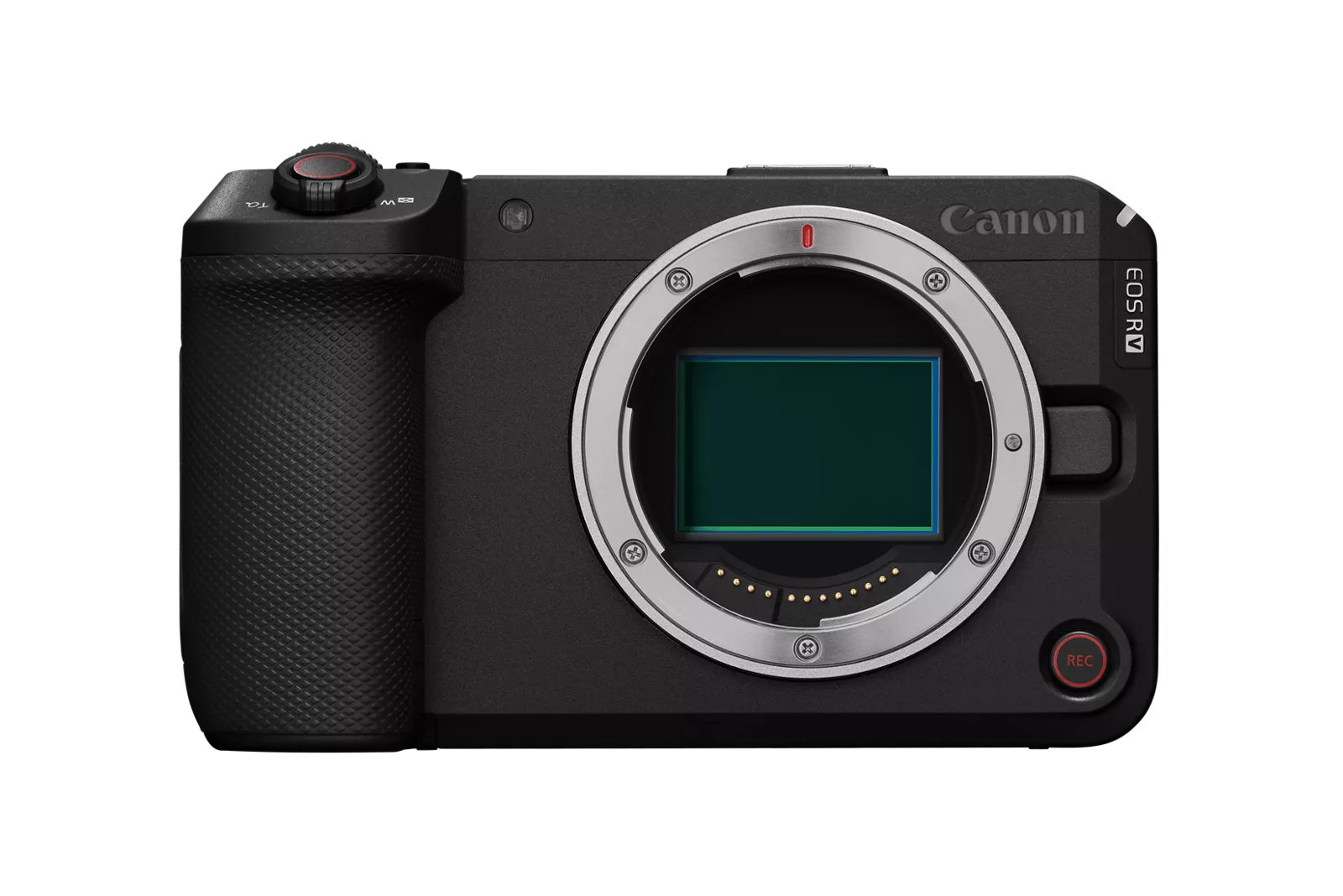
Quick Facts:
- Product: Canon EOS R6 V
- Sensor: 32.5MP full-frame CMOS (shared with R6 III and C50)
- Video: 7K 60p RAW Light, 7K 30p Open Gate, oversampled 4K 60p, uncropped 4K 120p
- Stills burst: 40 fps electronic shutter (no mechanical shutter)
- Cooling: Internal fan for extended recording
- Stabilization: In-body IS plus the same autofocus stack as the R6 III
- Viewfinder: None (rear display only)
- Notable extras: Zoom lever, vertical tripod mount, instant live stream button, front record button
- Price: $2,499 body, $3,699 with the new RF 20-50mm f/4 L IS USM PZ kit
- Availability: Late June 2026
- Best for: Hybrid creators and video-first shooters in the Canon RF ecosystem
8 min read
In This Article
Canon EOS R6 V Overview: A Video-First Fork in the R6 Line
The Canon EOS R6 V launched today with a configuration few photographers expected from the R6 family. Canon stripped the electronic viewfinder out of the R6 III platform, dropped in an internal cooling fan, and shaved $300 off the body price. As a result, the new full-frame mirrorless body targets hybrid creators and video-first shooters at $2,499, with shipping in late June 2026.
Inside the body sits the same 32.5MP full-frame CMOS sensor from the R6 III and the cinema-focused EOS C50. Image quality and autofocus performance carry over from the R6 III, since Canon used the identical imaging pipeline. However, composition now happens on the rear display alone, because the EVF is gone.
Video creators gain real ground here. Specifically, the R6 V records 7K 60p RAW Light, 7K 30p Open Gate, oversampled 4K 60p, and uncropped 4K 120p. Active cooling removes the thermal ceiling on 4K 60p capture, while the fanless R6 III throttled within about 30 minutes. Open Gate 7K 30p also runs until the battery or card runs out, while the R6 III capped at 33 minutes.
Stills shooters face real trade-offs. While the body keeps 40 fps burst shooting with the electronic shutter, Canon removed the mechanical shutter entirely. As a result, flash-sync workflows lose the mechanical option, and action photographers lose the eye-level framing the EVF offers. For broader context on where the body fits, our roundup of the best Canon cameras in 2026 places each R-series model in the lineup.
Specs at a Glance
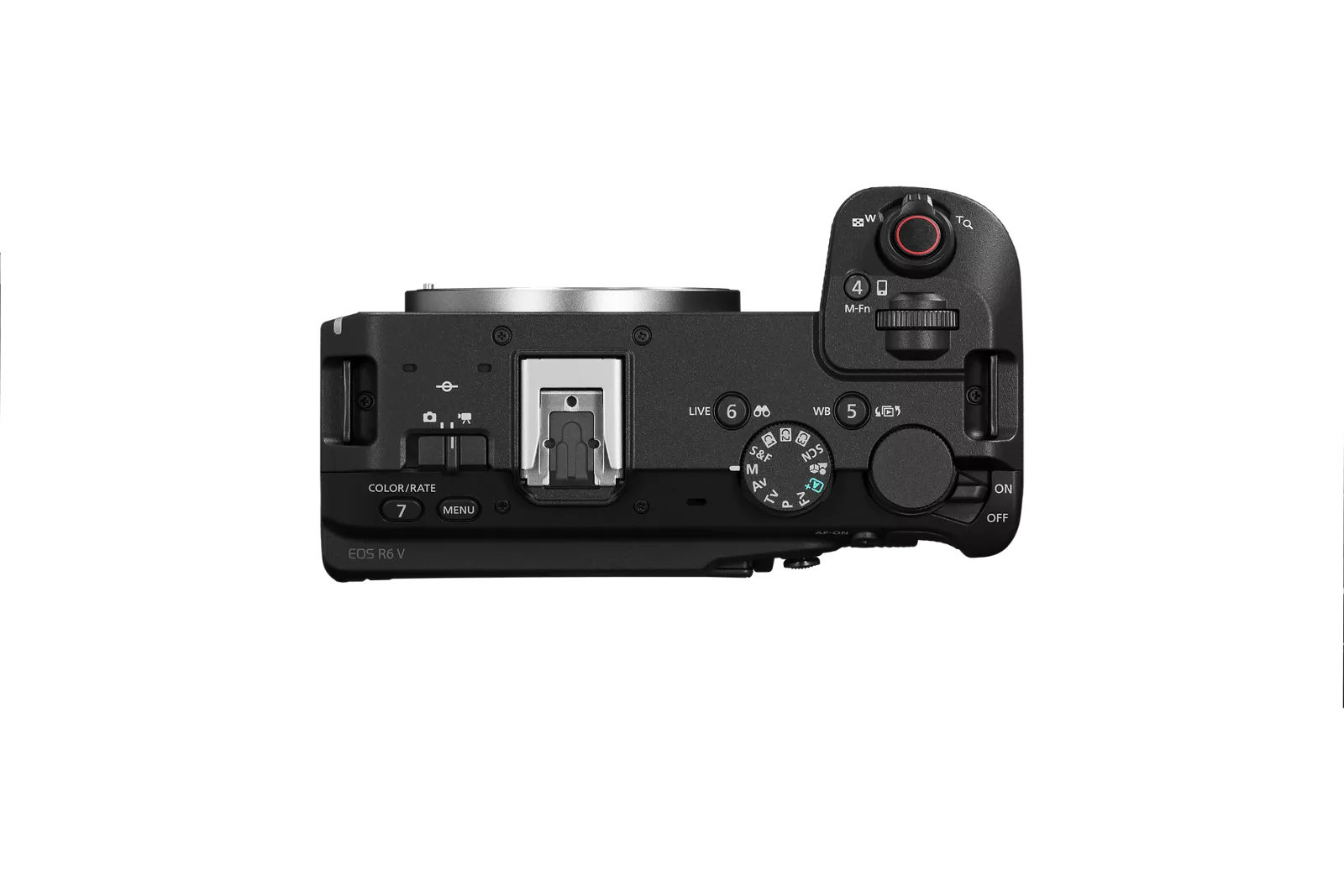
Most of the R6 V’s specs mirror the R6 III, with notable changes around cooling, viewfinder, shutter, and a few creator-focused additions. Here is the high-level rundown for quick reference.
| Specification | Details |
|---|---|
| Sensor | 32.5MP full-frame CMOS |
| Video resolution | 7K 60p RAW Light, 7K 30p Open Gate, oversampled 4K 60p, 4K 120p uncropped |
| 4K 60p record limit | Up to Canon’s 6-hour per-clip cap (no thermal throttle) |
| Burst rate | Up to 40 fps electronic shutter with AF/AE tracking |
| Shutter | Electronic only (no mechanical shutter) |
| Viewfinder | None (rear display only) |
| Stabilization | In-body image stabilization |
| Cooling | Internal active cooling fan |
| Creator extras | Zoom lever, front record button, built-in live streaming menu, vertical tripod mount, tally lamp |
| Body-only price | $2,499 |
| Kit price | $3,699 with RF 20-50mm f/4 L IS USM PZ |
| Release date | Late June 2026 |
Fund Your Upgrade
Sell Your Current Canon Body to MPB
Free shipping, transparent quotes, and fast payouts make MPB the cleanest path from your old body to the R6 V launch window.
Why Canon Removed the EVF on the R6 V
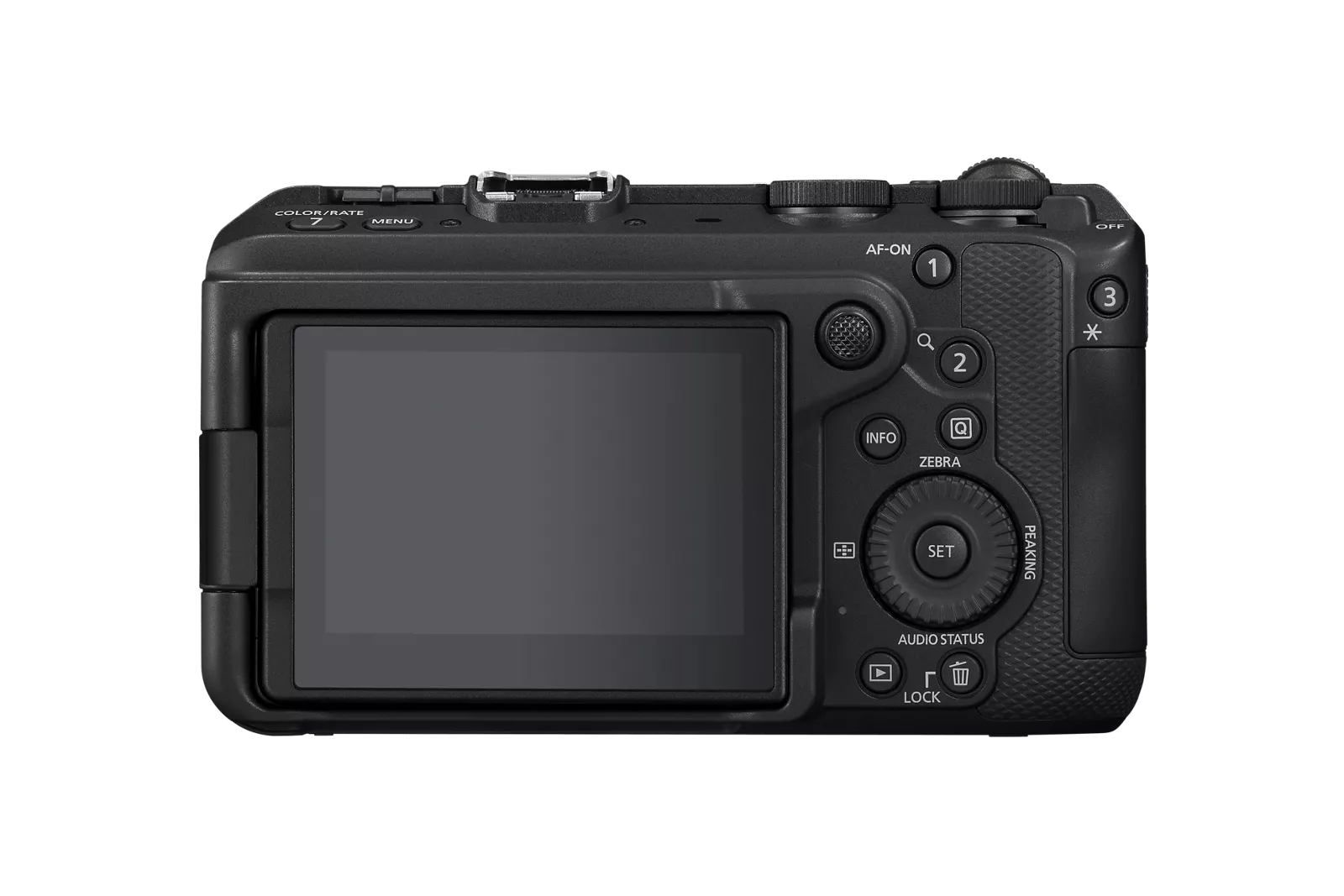
Canon’s design choice signals a clear audience target. By eliminating the electronic viewfinder, Canon shrank the body profile and saved internal volume for the cooling fan. The flatter design also accommodates rigs, gimbals, and cages more cleanly than a body with a viewfinder hump.
However, the missing viewfinder limits the camera’s appeal for outdoor and action photographers. Bright sunlight washes out rear displays, even with high-nit panels. Eye-level framing also stabilizes a handheld camera against the face, which helps when tracking fast subjects with long lenses.
Video creators rarely lean on an EVF. Instead, they compose through external monitors, rear screens, or tethered devices. For vloggers, run-and-gun shooters, and YouTube creators, the missing EVF reads as a non-issue. As a result, Canon’s product strategy splits the audience cleanly. Stills-first photographers stay on the R6 III. Video-first creators move to the R6 V.
The trade-off also pulls cost out of the build. Eliminating a high-resolution OLED panel, the eyecup, the eye sensor, and the associated optics frees up real money on the bill of materials. Those build savings likely contribute to the $300 price drop versus the R6 III. If losing the viewfinder is the cost of this camera, the cooling fan is the payoff.
Internal Cooling Fan and Long-Form Recording
Active cooling solves a problem stills-focused hybrid cameras have wrestled with for years. Without a fan, sensors and processors throttle under sustained high-resolution video loads. Canon rated the fanless R6 III for roughly 30 minutes of 4K 60p before thermal limits kicked in. With the R6 V, 4K 60p capture now runs up to Canon’s 6-hour per-clip limit without thermal throttling.
Open Gate recording sees an even bigger jump. The R6 III tops out at 33 minutes of 7K 30p Open Gate before throttling. By contrast, the R6 V keeps rolling 7K 30p Open Gate as long as the battery and storage hold up. For wedding shooters, documentary filmmakers, and live streamers, this change rewrites the workflow.
Fan noise sits high on the worry list for any creator. Canon has not yet published decibel ratings for the R6 V fan, so on-camera audio capture during quiet scenes remains an open question. Most pros run external recorders or boom mics for serious audio anyway, which sidesteps the fan-noise concern in practice.
One more cooling benefit shows up at lower resolutions too. Long-form 1080p and 4K 30p sessions now scale with battery, not heat. Compared to the R6 III, the R6 V essentially removes the thermal ceiling for everyday hybrid shooting. Therefore, creators planning multi-hour interviews, livestreams, or event coverage gain the most from this single change.
Trade In, Trade Up
Turn Your Old Canon Into R6 V Cash
MPB pays competitive market rates for used Canon bodies and RF lenses. Ship in your gear, get paid within days, and stack the payout against your June pre-order.
Canon R6 V vs R6 III: Which One Should You Buy?
Choosing between the two bodies lands cleanly along one axis: how much video do you shoot? While both share the 32.5MP sensor, the same autofocus stack, and identical 40 fps electronic burst rate, the experience diverges fast for serious mixed-use.
Photographers who shoot weddings, sports, wildlife, or street will lean toward the R6 III. The mechanical shutter on the R6 III preserves an extra slice of dynamic range and offers flash sync without rolling shutter limits. Also, the R6 III’s EVF makes a real difference outdoors and during long handheld sessions. The R6 III lists at $2,799 body-only, so the $300 premium buys the viewfinder and the mechanical shutter back.
Hybrid creators who tilt video-heavy will favor the R6 V. The cooling fan removes thermal limits for long takes, the zoom lever pairs with the new RF 20-50mm f/4 L IS USM PZ kit lens, and the built-in live streaming menu plus front record button speed up creator workflows. For example, livestreamers and conference shooters benefit immediately from the unlimited Open Gate recording window.
Readers weighing the R6 II as an upgrade path should compare both options against their own kit. Our deep-dive on the Canon EOS R6 Mark II review covers the older sibling’s strengths and weaknesses in detail. For a side-by-side feel, write down the percentage of time you spend on video versus stills. If video sits above 60 percent, the R6 V earns the slot. Below 40 percent, stick with the R6 III.
Who the R6 V Is For
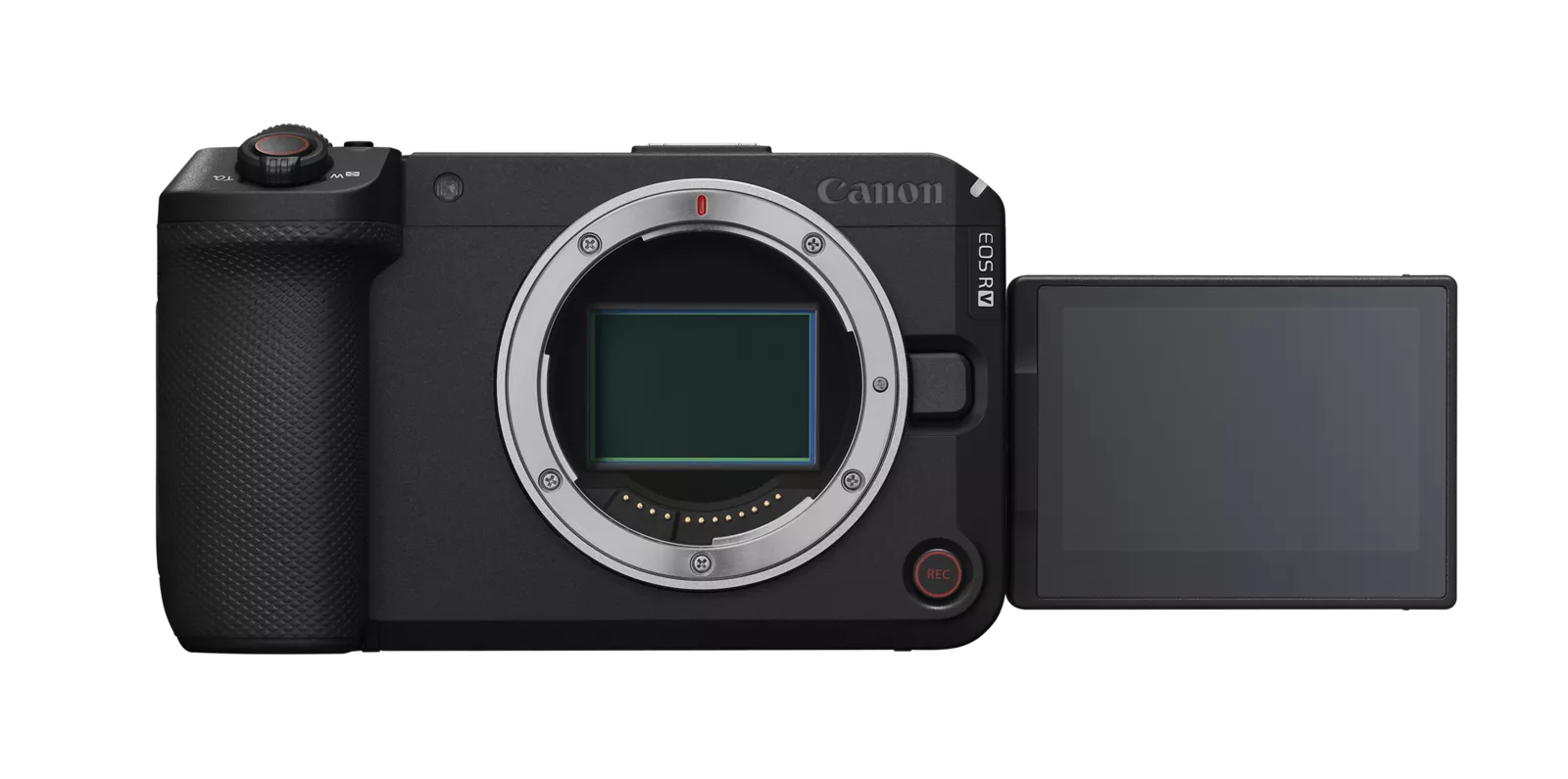
The R6 V earns its keep with specific audiences. Video-first creators top the list, since the cooling fan, zoom lever, and built-in live streaming all serve workflows where the rear screen rules. YouTubers, podcasters with video, and wedding cinematographers benefit immediately from the upgrades.
Hybrid shooters working at events also gain real value, especially those covering long sessions where overheating would otherwise force breaks. Conference videographers, documentary teams, and live-event operators now run continuous Open Gate or 4K 60p coverage without a thermal cliff. For these creators, the trade-off of losing the EVF makes practical sense.
Solo creators and small studios fit the price point well. At $2,499 body-only, the R6 V undercuts the cinema-focused C50 by a wide margin while still offering 7K RAW capture. Combined with the new RF 20-50mm f/4 L IS USM PZ power zoom lens at $3,699 kit pricing, the bundle handles vlogging, b-roll, and interview setups out of the box.
Stills-first photographers, however, should look elsewhere. Without an EVF or mechanical shutter, the R6 V gives up tools many photographers depend on. Sports, wildlife, and wedding stills shooters will find the R6 III, R5 Mark II, or even the older R6 Mark II better matched to their workflow. For readers building out a stills-heavy kit, our coverage of Canon RF lenses for landscape photography pairs well with those bodies.
Pros and Cons of the R6 V
Pros
- 7K 60p RAW Light recording in a $2,499 body
- Active cooling removes the 4K 60p thermal ceiling, while the fanless R6 III throttled within about 30 minutes
- Unlimited 7K 30p Open Gate recording, up from 33 minutes on the R6 III
- Same 32.5MP sensor and autofocus stack as the R6 III and C50
- $300 cheaper than the R6 III at launch
- Power zoom lever pairs with the new RF 20-50mm f/4 L IS USM PZ kit lens
- Vertical tripod mount, built-in live streaming menu, front record button, and tally lamp
- In-body image stabilization and 40 fps electronic burst shooting
Cons
- No electronic viewfinder, so composition happens on the rear screen alone
- No mechanical shutter, which costs some dynamic range in stills mode
- Bright outdoor shooting will challenge rear-screen composition
- Action photographers lose eye-level framing for tracking moving subjects
- Fan noise levels are not yet published, so on-camera audio in quiet rooms is unknown
- Available only in late June 2026, so early adopters wait roughly six weeks from launch announcement
Final Verdict on the R6 V
The R6 V earns a clear recommendation for hybrid creators who weight video above stills. Active cooling alone reshapes what a $2,499 full-frame mirrorless body offers, and the addition of 7K RAW capture, the zoom lever, and the vertical tripod mount cements the R6 V as a serious tool for solo and small-team production work. For wedding cinematographers, YouTubers, and event videographers, the upgrades pay for themselves on the first long shoot.
However, the trade-offs sting if you shoot stills first. Losing the EVF and the mechanical shutter pulls real capability off the table for action, wildlife, and outdoor photography. Bright-sun work especially suffers, since rear displays still struggle against direct sunlight. Stills-first shooters should pick up the R6 III instead, even at the $300 premium.
On a value basis, the Canon R6 V price of $2,499 lands well below the R6 III and far below the C50, while still offering the same imaging pipeline and most of the video specs of both. The kit option at $3,699 with the new RF 20-50mm f/4 L IS USM PZ lens stretches the budget further, especially for creators starting fresh in the RF system.
My Take on the R6 V
My take, as someone who spends time on both sides of the camera, comes down to trust. I do prefer the EVF, and the R6 V’s rear-screen-only design works against my own habits. Over the past six years, however, Canon has earned my trust with every body it has shipped, and the video gains here look meaningful enough to outweigh the EVF loss for the hybrid work I do. I am picking up the R6 V myself at launch. For readers leaning the same way, the R6 III stays the safer bet if stills dominate your workflow.
Ready to Upgrade?
Get Cash for Your Old Canon Body
MPB makes the swap painless with instant online quotes, free insured shipping, and a six-month warranty on every used purchase. Sell now and pre-order the R6 V before the late-June launch window fills up.
Frequently Asked Questions
Does the Canon EOS R6 V have a viewfinder?
No. The R6 V ships without an electronic viewfinder, so composition happens on the rear LCD. Canon removed the EVF to shrink the body, accommodate the internal cooling fan, and lower the price by $300 against the R6 III.
When is the Canon EOS R6 V release date?
Canon announced the R6 V today with availability listed for late June 2026. Shipping is expected to start within the late-June window, and retailers will list pre-order details as Canon authorizes them.
How much does the R6 V cost?
The Canon R6 V price is $2,499 for the body alone. A kit version with the new RF 20-50mm f/4 L IS USM PZ power zoom lens lists at $3,699, which saves about $200 versus buying the body and lens separately.
Is the R6 V better than the R6 III?
The comparison depends on your workflow. For video-first creators, the R6 V wins thanks to active cooling, unlimited 7K Open Gate recording, and creator-focused buttons. However, stills-first photographers should stick with the R6 III for its EVF and mechanical shutter.
What sensor does the Canon EOS R6 V use?
The R6 V uses the same 32.5MP full-frame CMOS sensor introduced in the EOS C50 cinema body and shared with the R6 Mark III. The shared imaging pipeline delivers comparable autofocus performance and image quality across all three bodies.
Does the R6 V record 7K video?
Yes. The R6 V records 7K 60p RAW Light and 7K 30p Open Gate internally. Active cooling lets 7K 30p Open Gate run as long as the battery and card hold, which removes the 33-minute thermal cap the fanless R6 III imposes.

