


Quick Facts on Famous Photo Hoaxes:
- Topic: Famous photo hoaxes in history
- Era covered: 1840 to 1934
- Key cases: Cottingley fairy photos, spirit photos, Loch Ness monster
- Main methods: Double exposure, paper cutouts, combination printing
- Most famous believer: Sir Arthur Conan Doyle
- Skill level: Beginner friendly, no gear needed
- Best for: History fans and anyone wary of AI fakes
7 min read
In This Article
- Famous Photo Hoaxes Overview
- The Hoaxes at a Glance
- The Cottingley Fairies: The Most Famous Photo Hoax
- Spirit Photography and the Ghost Business
- Faking Photos Before Photoshop
- The Loch Ness Surgeon’s Photograph
- How the Tricks Worked
- Why Smart People Believed the Fakes
- What Famous Photo Hoaxes Teach the AI Era
- Frequently Asked Questions
Famous Photo Hoaxes Overview
Famous photo hoaxes shaped public trust in images long before AI arrived. The camera lied often, and skilled fakers knew how to help it. For nearly a century, staged fakes fooled scientists, spiritualists, and even a knighted author. Photographs felt mechanical and neutral, so most viewers assumed a lens never lied.
This guide walks you through the strangest deceptions in photographic history, from garden fairies to Victorian ghosts. You will see how each trick worked, who fell for it, and why these old fakes still matter. For the wider backdrop, our history of photography timeline traces the milestones behind these images.
Photographers, history fans, and anyone worried about deepfakes will find useful lessons below. Studying old tricks also sharpens your eye for modern manipulation. The tools have changed since 1917, yet the psychology behind a convincing fake has stayed almost identical.
The Hoaxes at a Glance
The table below sums up five landmark cases. Each one relied on a simple in-camera or darkroom trick, not advanced technology. Notably, every method still influences how people fake images today.
| Hoax | Year | Method |
|---|---|---|
| Bayard’s staged drowning | 1840 | Staged self-portrait |
| Mumler spirit photos | 1861 | Double exposure |
| Cottingley Fairies | 1917 | Paper cutouts |
| Soviet photo erasures | 1930s | Darkroom retouching |
| Loch Ness “Surgeon’s Photograph” | 1934 | Toy model in water |
The Cottingley Fairies: The Most Famous Photo Hoax
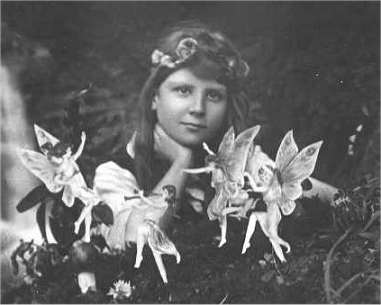
In 1917, two cousins in Cottingley, England, borrowed a camera and returned with a photograph of winged fairies. Elsie Wright was 16, and Frances Griffiths was 9. Their fairies were paper cutouts, traced from a popular children’s book and propped up with hatpins. Still, the black-and-white prints looked convincing to adult eyes.
The story grew because Sir Arthur Conan Doyle, creator of Sherlock Holmes, believed the images were real. He published them in The Strand Magazine in 1920 and later wrote a full book defending them. A devoted spiritualist, Doyle wanted evidence of a hidden world, so he read the fairy photos as proof rather than trickery.
For decades the cousins stayed quiet. Finally, in the early 1980s, both women admitted the first four frames used cutouts. Frances, however, insisted the fifth image was genuine until her death. The Cottingley affair remains the most famous of these deceptions, and the surviving prints still sell at auction. Compare all five frames in the surviving glass-plate record.
Read The Original
The Book Behind the Fairy Craze
Arthur Conan Doyle staked his reputation on the Cottingley photos in “The Coming of the Fairies.” Read his argument in his own words.
Spirit Photography and the Ghost Business

Before the fairies, Victorian families paid to sit with the dead. Spirit photography promised a portrait with a lost loved one hovering nearby. The craze began around 1861 in Boston, where engraver William Mumler noticed a faint second figure in one of his self-portraits. Instead of fixing the flaw, he sold it as a message from beyond.
Mumler produced his ghosts through double exposure, reusing plates so a faint earlier image bled into the new portrait. Grieving customers paid steep fees, and his best-known print shows Mary Todd Lincoln with a shadowy Abraham Lincoln behind her. In 1869 he faced a fraud trial in New York. Showman P.T. Barnum even testified against him, commissioning a fake ghost portrait of himself to prove the method. Still, the court acquitted Mumler for lack of hard proof.
The ghost trade then crossed the Atlantic. In Britain, Frederick Hudson became the first known spirit photographer around 1872, and Doyle later championed the practice. Because exposure times ran long and darkroom work stayed private, buyers had no way to check the process. A whole industry ended up selling comfort built on one optical trick.
Go Deeper
The Story Behind Spirit Photography
Martyn Jolly’s “Faces of the Living Dead” collects the eerie spirit photos and explains how the Victorian ghost business worked.
Faking Photos Before Photoshop

The ghost trade was only one branch of a much older habit. Faking photographs began almost the moment photography did, so photo manipulation before Photoshop has deep roots. Two decades before Mumler’s first ghost, French inventor Hippolyte Bayard staged a self-portrait as a drowned corpse in 1840. He did it to protest being overlooked by the photography establishment, and historians widely call his image the first staged fake in the medium.
Darkroom artists soon pushed further with combination printing, blending several negatives into one seamless scene. Oscar Rejlander built “The Two Ways of Life” in 1857 from roughly 30 separate negatives. A year later, Henry Peach Robinson assembled his mournful “Fading Away” from five frames. These were early art photos, yet the seams stayed invisible to most viewers.
Governments noticed the power too. Soviet censors erased fallen officials from official photographs during the 1930s, rewriting history one print at a time. Portrait studios also softened wrinkles and reshaped faces, proving editing has always been part of photography. Even Mathew Brady retouched Abraham Lincoln’s portrait to flatter the candidate before millions of voters.
The Loch Ness Surgeon’s Photograph

The truth surfaced in 1994. A model maker named Christian Spurling confessed the monster was a toy submarine fitted with a sculpted head of wood putty. Marmaduke Wetherell, a filmmaker humiliated by an earlier Loch Ness failure, had organized the prank as revenge. For six decades, one small toy floated an entire legend.
How the Tricks Worked

Most historic fakes relied on four repeatable methods. Double exposure layered two scenes on one plate, which created ghosts and floating figures. Paper cutouts and physical models added fake subjects, as the Cottingley cousins and the Loch Ness team both showed.
Combination printing went further, merging several negatives in the darkroom for impossible skies and crowds. Retouching then removed or reshaped details directly on the negative or print. None of these tricks needed rare equipment. Instead, each one needed patience and a viewer willing to believe.
You will spot many old fakes with patient looking, even now. First, check the edges of a suspicious figure for hard lines left by a cutout. Next, look for mismatched lighting between a ghost and the sitter, because two exposures rarely share one light source. Repeated backgrounds across different portraits also expose a studio reusing plates.
Why Smart People Believed the Fakes
Intelligence offered little protection against these hoaxes. Doyle held a medical degree, yet he defended the fairy photos for years. Because he trusted the two girls and longed for spiritual proof, his judgment bent toward belief. Experts fall hardest when a fake confirms something they already hope is true.
Social pressure played a role too. Once a respected magazine or physician endorsed an image, public doubt looked rude or cynical. Moreover, few Victorians understood darkroom tricks, so the process felt like magic. This mix of authority, secrecy, and wishful thinking still powers viral fakes today.
What Famous Photo Hoaxes Teach the AI Era
Famous photo hoaxes carry a clear warning for the age of AI images. The technology behind fakery keeps changing, yet the human weakness stays the same. People believe images because they want the story to be true, whether the subject is a fairy, a ghost, or a viral news photo.
Because AI now generates convincing scenes in seconds, healthy skepticism matters more than ever. Check the source, look for context, and question images with no clear origin. Doyle was brilliant, and the fakes still fooled him, so no one is immune. Treat every dramatic image as a claim first.
The good news: verification tools also keep improving. Reverse image search, metadata checks, and new provenance standards give you real defenses. Above all, the century-old lesson holds firm. A photograph is a claim, not automatic proof, and it never was.
Frequently Asked Questions
What was the first faked photograph?
Most historians point to Hippolyte Bayard’s 1840 “Self Portrait as a Drowned Man.” Bayard staged his own fake death to protest being denied credit for inventing photography. It predates the ghost portrait craze by two decades.
Who took the Cottingley fairy photos?
Cousins Elsie Wright and Frances Griffiths took them in Cottingley, England, starting in 1917. Elsie drew and cut out the fairy figures, and the girls propped them up with hatpins before shooting.
How did spirit photographers fake ghosts?
They mostly used double exposure. By reusing a photographic plate, a faint earlier figure appeared behind the new portrait. Long exposure times and private darkrooms kept the method hidden from paying customers.
Was the fairy hoax ever admitted?
Yes. In the early 1980s, both cousins confirmed the first four images used paper cutouts. Frances maintained the fifth photograph was real, which kept a thread of mystery alive for enthusiasts.
How were photos manipulated before Photoshop?
Retouchers worked directly on negatives and prints, while darkroom artists blended multiple negatives through combination printing. Governments also erased people from official images, showing photo manipulation before Photoshop was common and effective.
How do you tell if an old photo is fake?
Start with the edges and the lighting. Cutouts leave crisp outlines, while double exposures produce mismatched shadows. Reverse image search and a look at the original source also help confirm whether a vintage photo is authentic or staged.

