


I didn’t slow down by choice. After decades behind the lens, I slowed down because I got tired of sitting in front of a laptop with 400 frames from a single outing and keeping three of them. Something was wrong, and the camera wasn’t the problem.
The mistake I was making was treating the shutter button like a safety net. The more frames you take, the reasoning went, the better your odds. Except it doesn’t work this way. Odds don’t replace vision, and volume doesn’t replace intention. Slowing down forced me to develop both.
Since then, intentional photography has shaped how I review work. I’ve evaluated nearly 200 prints across metal, canvas, and paper over six years. The pattern holds without exception: the images worth printing are almost never the ones grabbed from a burst sequence. They come from a moment when the photographer stopped, looked, waited, and made a choice.
Whether you shoot landscapes, portraits, or travel, slow down photography principles apply. This guide gives you the framework I use and teach, along with practical exercises confirmed across hundreds of teaching hours. It also makes the honest case for why your best keepers deserve somewhere better than a hard drive.
Quick Facts:
- Topic: Slow down photography and intentional shooting
- Skill level: All levels , especially useful for intermediate shooters stuck in burst habits
- Core idea: Fewer frames per outing produces stronger keepers and better editing discipline
- Key method: The 36-frame challenge: apply a film-roll limit to digital shooting
- Time required: 8 minutes to read; one outing to change a habit
- Cost: Free to apply; metal prints of your keepers start at $16 at Shiny Prints
- Best for: Photographers who want stronger portfolios, cleaner workflows, and images worth printing large
8 min read
In This Guide
- Slow Down Photography Overview: Why Fewer Frames Win
- Key Concepts at a Glance
- The the same mindset: Borrowing Constraints from Analog
- The 36-Frame Challenge: A Practical Exercise Worth Trying
- Seeing vs. Shooting: How Slowing Down Changes What You Notice
- The Workflow Payoff: Slow Down Photography, Improve Your Editing
- The Print Payoff: Why Keepers Deserve the Wall
- Burst Shooting vs. Intentional Shooting: Which Serves You Better?
- Pros and Cons of the Slow Approach
- Final Verdict
- Frequently Asked Questions
Slow Down Photography Overview: Why Fewer Frames Win
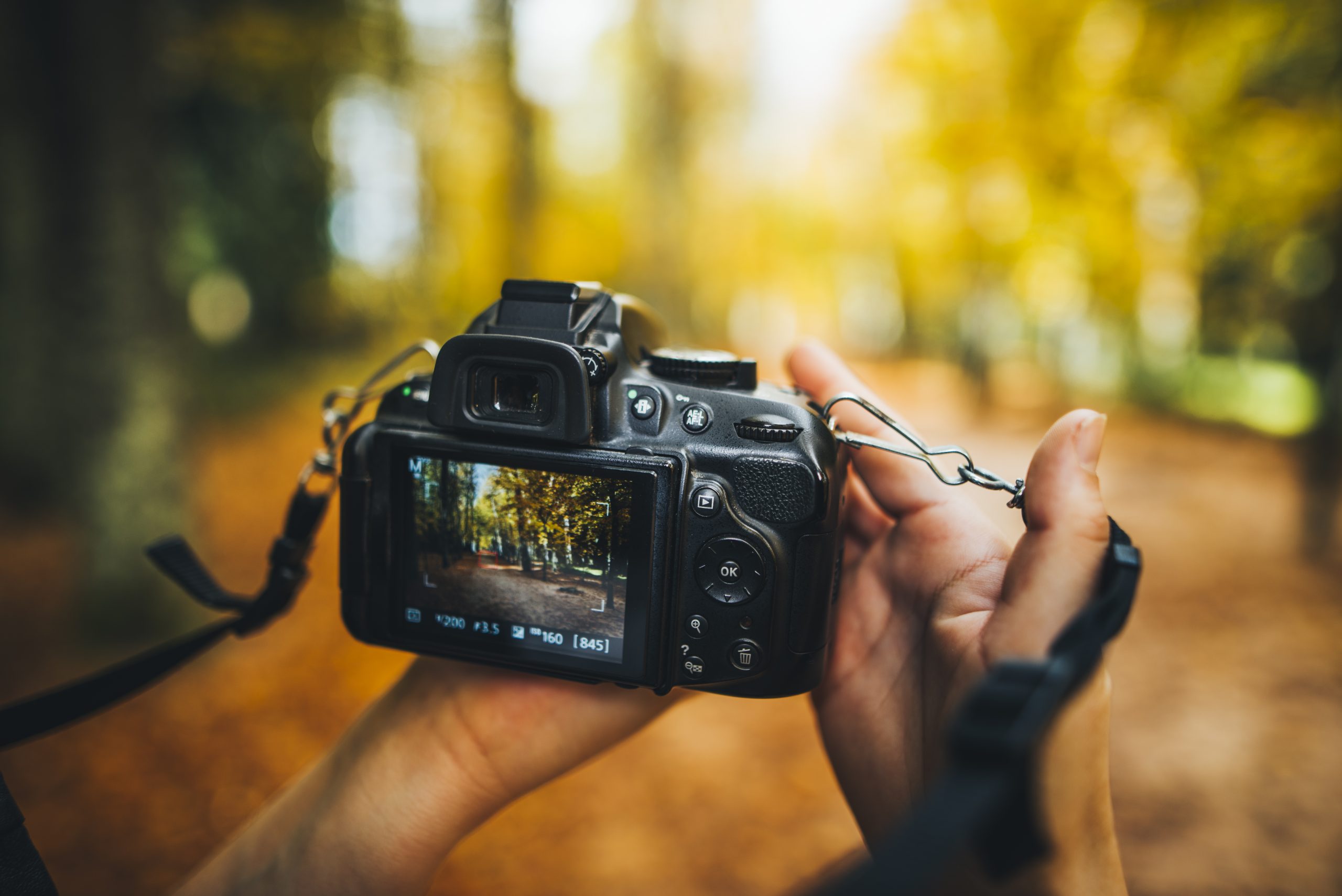
Slow down photography is a deliberate practice of limiting frames per session to build stronger visual judgment. It isn’t about gear, and it isn’t nostalgic. Instead, it’s a response to a real problem: digital cameras let you shoot thousands of frames a day, and this freedom often works against you. When the cost per frame is zero, the mental filtering producing strong images never fires. You shoot first and think later, in front of a screen, hours after the moment passed.
This matters at every skill level. Beginners benefit because they learn to evaluate a scene before pressing the shutter. Intermediate shooters benefit most, because they’re the ones who’ve spent enough time with a camera to shoot fast but not yet enough to know when fast is wrong. Advanced photographers who already slow down instinctively often tell me the discipline was the single shift separating their early work from their mature work.
Intentional photography doesn’t mean shooting slowly in a mechanical sense. You still press the shutter at the right moment. The difference: you choose the moment rather than hoping to find it somewhere inside 400 frames during the edit. This shift changes not only your images but your relationship to shooting, your editing time, and the overall quality of your portfolio.
Key Concepts at a Glance
| Concept | What It Means in Practice |
|---|---|
| Film mindset | Impose a frame limit (36 shots) on a digital outing to build intentional habits |
| Pre-visualization | Mentally construct the image before raising the camera |
| Single-frame discipline | Commit to one frame per scene, no burst, no safety net |
| Shoot less workflow | Fewer files means faster editing and a higher keeper rate by percentage |
| Print test | Ask whether the frame deserves a physical print before you take it |
When a Keeper Earns the Wall
Print It on Metal , Built for Images Worth Keeping
Shiny Prints uses authentic ChromaLuxe aluminum panels and Epson F-series printers so your most intentional frames get the substrate they deserve.
The Film Mindset: Borrowing Constraints from Analog
A standard roll of 35mm film holds 36 exposures. Thirty-six frames. No burst mode, no preview on a rear screen, no way to delete and reshoot without cost. Film photographers learned to ask a question before every press of the shutter: is this frame worth one of my 36? This question is the engine of the film mindset, and it works equally well when you apply it to a digital camera.
The approach doesn’t require buying film. Instead, it requires borrowing the constraint. Before a shoot, set a mental budget of 36 frames. Write the number down if you need accountability. Shoot as if every frame costs something, because in this method, it does. By frame 20, you’ll notice something shift. You slow down. Looking longer before raising the camera follows naturally. Pre-visualizing the image replaces finding it buried in the edit.
I’ve used this exercise for years, and the resistance is always the same at the start. You worry about missing shots. By the end of the exercise, you find the opposite: you feel more locked in, not more constrained. Fewer frames means more mental space per frame , the space where deliberate composition, light reading, and timing live.
The 36-Frame Challenge: A Practical Exercise Worth Trying
Here’s the exercise in its simplest form. Choose a location you already know well; familiarity removes the variable of navigation and lets you focus on seeing. Set your camera to single-shot mode, turn off burst, and give yourself a limit of 36 exposures for the session. Keep count manually or use the frame counter in your viewfinder.
Three Questions Before Each Frame
Before pressing the shutter, answer three questions: What is the subject? Where is the light? Is this the best moment available right now, or am I settling? If the first two questions don’t have clear answers, you’re not ready to shoot. When the answer to the third question is “settling,” wait or move. This discipline is uncomfortable at first, specifically because it exposes how often you would normally take a frame you don’t fully believe in.
Reviewing Your 36 Frames
Edit the 36 frames without the safety net of a large pool to draw from. You’ll notice your keeper rate by percentage is significantly higher than on unrestricted shoots , most photographers who try this report 20 to 40 percent keepers versus the typical 3 to 7 percent from a burst-heavy outing. Moreover, the editing itself takes a fraction of the usual time. Instead of culling 400 frames down to 5, you’re choosing among 36, most of which you already evaluated in the field.
Seeing vs. Shooting: How Slowing Down Changes What You Notice
The most durable change from intentional photography isn’t the images you make on a given shoot. It’s how your eye develops between shoots. When you slow down photography consistently, you start pre-visualizing before you raise the camera. You read the light before you arrive at the spot. Leading lines, negative space, and timing windows reveal themselves because you’ve trained your eye to look for them rather than chase them in post.
This is what I mean when I tell other photographers: shooting less is a seeing exercise, not a discipline exercise alone. A photographer who fires 800 frames a day is doing data collection. Someone firing 36 deliberate frames is doing visual problem-solving, and those are different skills, each producing different results over time.
Specifically, the biggest change I notice in photographers after four to six weeks of the 36-frame practice is their patience with light. They stop arriving at a location and immediately shooting. Instead, they watch. They wait for a cloud to move, a shadow to shorten, a person to enter or leave the frame. This patience is not something you develop by shooting more. It develops by shooting less, and it shows in the work.
Trusted by PhotographyTalk
Your Keepers Deserve More Than a Hard Drive
Shiny Prints has earned perfect scores from me twice across six years of print testing. A limited lifetime warranty and free shipping over $99 make it easy to commit.
The Workflow Payoff: Slow Down Photography, Improve Your Editing
Editing benefits from slow down photography compound over time. When you return from a shoot with 36 frames instead of 400, the editing session changes completely. You’re not looking for needles in a haystack; you’re choosing among candidates you already evaluated in the field. The decision is faster. Selections are more confident, and the final set is more consistent because it came from a coherent session rather than a scatter of reactive frames.
Cleaner edits also produce better portfolios. Because you shoot less, you spend more of your editing time on the images in your final set, processing them carefully rather than rushing through a pile. Over months of intentional shooting, the consistency of your output improves because you’re applying the same considered eye at every stage, from the field through the edit. My beginner tips for printing photos cover the final stage of this workflow: choosing finishes, adjusting for the substrate, and delivering a file printing the way it looked in your head when you decided it was worth keeping.
The Print Payoff: Why Keepers Deserve the Wall

Here’s a question I ask other photographers all the time: if you couldn’t keep any image you wouldn’t print , how would this change your approach? The answers shift quickly. Suddenly the bar for pressing the shutter gets higher, because a print is a real commitment. It costs money, occupies physical space, and represents your judgment to everyone who sees it.
The print standard is a useful mental filter even if you don’t print everything. After nearly 200 print reviews over six years, I’ll tell you the frames coming from slow, deliberate shooting consistently survive the transition to a substrate. They have stronger compositions, cleaner light, and more intentional subject placement. They’re the frames where the photographer made a choice. You learn about which images look best on a metal print and quickly recognize those images almost always trace back to a moment of deliberate shooting, not a lucky pull from a burst sequence.
When one of those frames earns the wall, the substrate matters. Metal amplifies what makes a deliberate image strong: deep blacks, vivid color, sharp detail, and the weight of a composition chosen, not stumbled into. After testing nearly every major lab across six years, Shiny Prints has earned a perfect 30/30 score from me twice, detailed in my full Shiny Prints metal print review. For photographers building a portfolio of intentional work, it’s the lab I point to first.
Burst Shooting vs. Intentional Shooting: Which Serves You Better?
Burst shooting has a clear use case: moving subjects at unpredictable timing, where the decisive moment happens in a window of milliseconds. Sports, wildlife, and action photography are where high frame rates earn their place. For those genres, burst mode is a tool, not a crutch. Outside those contexts, it often becomes one.
The clearest sign burst mode is working against you is a low keeper percentage. If you routinely come home with 300 to 600 frames and select 5 to 15 of them, the math is telling you something. Even allowing for a learning curve, a consistent keeper rate under 5 percent means you’re doing most of your visual decision-making during the edit, not in the field. Intentional shooting pulls this judgment forward, into the moment, where it produces stronger images and a faster, more enjoyable workflow.
On value, there’s no cost to switching approaches. Your camera doesn’t know whether you fired 36 frames or 400. The investment is entirely mental, and so is the return. For the portfolio angle, consider the best photo print labs of 2026 roundup as your next step once slow shooting produces the keepers worth printing.
Pros and Cons of the Slow Approach
Pros
- Keeper rate by percentage rises to 20–40% with the 36-frame method vs. 3–7% from burst-heavy outings
- Editing sessions shrink from hours to under 30 minutes on a disciplined 36-frame set
- Visual judgment improves across 4–6 weeks of consistent intentional practice
- Portfolio consistency improves because coherent shooting produces coherent sets
- Print-worthy images increase: deliberate compositions translate to metal cleanly
- Enjoyment of shooting often increases when the session isn’t about volume
Cons
- Not appropriate for action, sports, wildlife, or events where decisive-moment windows are milliseconds wide
- Initial sessions feel uncomfortable; the urge to fire more frames is strong and takes deliberate effort to override
- Misses happen early in the practice , some shots you would have caught in burst you’ll lose while single-framing
- Requires more mental energy per outing, especially in unfamiliar locations
- Portfolio results take weeks to show; patience is part of the practice
Final Verdict

Slowing down is for photographers at every level who feel like their editing folder is outpacing their actual vision. Its strongest asset is compounding: the first slow outing teaches you patience, the tenth refines your eye, and after a few months the habit of pre-visualization becomes automatic. I’ve watched it change portfolios faster than any single technical skill I’ve taught.
The real trade-off is discomfort in the short term. Early sessions under a frame limit feel like you’re leaving shots behind, and sometimes you are. This discomfort is precisely what forces your brain to engage. Photographers in fast-moving genres, sports and wildlife above all, should treat burst mode as a professional tool while applying slow-shooting discipline to everything else they do. The two approaches aren’t mutually exclusive; they target different situations.
Once slow shooting produces your strongest keepers, give those frames a substrate holding up to the decision behind them. Metal is where I send my best work, and the full Shiny Prints metal print review explains why they’ve earned two perfect scores from me. If your work leans toward softer tones and pastel palettes, a fine-art matte paper lab is the worthwhile alternative to consider alongside metal.
Ready to Print?
Your Best Frame Belongs on the Wall
Shiny Prints ships with a limited lifetime warranty, free shipping on orders over $99, and custom sizes up to 48×96 inches on authentic ChromaLuxe panels.
Frequently Asked Questions
What is slow photography?
Slow photography is a deliberate practice of limiting your frame count per session to build stronger visual judgment. Rather than shooting hundreds of frames and curating later, you evaluate each scene before pressing the shutter. The method borrows the discipline of film photography and applies it to any camera system.
How does shooting less make you a better photographer?
Shooting less forces you to make compositional and timing decisions in the field rather than during the edit. Over four to six weeks of consistent intentional shooting, most photographers develop faster pre-visualization, better patience with light, and a higher keeper rate by percentage. The discipline applies across every genre except fast-action sports and wildlife.
What is the film mindset in digital photography?
This practice means applying analog constraints to a digital camera. Specifically, you set a session limit of 36 frames, shoot in single-shot mode, and ask yourself before each press of the shutter whether the image is worth one of your 36. The constraint removes the assumption you’ll “find” the image during the edit and instead demands you construct it in the field.
How do you practice intentional photography?
Start with the 36-frame challenge on a familiar location. Before each frame, identify your subject, read the light, and confirm you’re not settling for a frame you don’t fully believe in. After the session, edit only from those 36 exposures without pulling extras. Repeat the exercise for four to six weeks before evaluating results.
Does slowing down in photography help with printing?
Significantly. Deliberate frames consistently translate to stronger prints because they have intentional composition, clean light, and purposeful subject placement. After nearly 200 print reviews, the frames performing best on metal, where quality is hardest to hide, almost always trace back to a deliberate shooting decision. A frame worth printing is usually a frame worth slowing down for.
A quick heads-up: If you snag something through our affiliate links or check out our sponsored content, we might earn a commission at no extra cost to you. But fear not, we’re all about recommending stuff we’re truly stoked about!

