


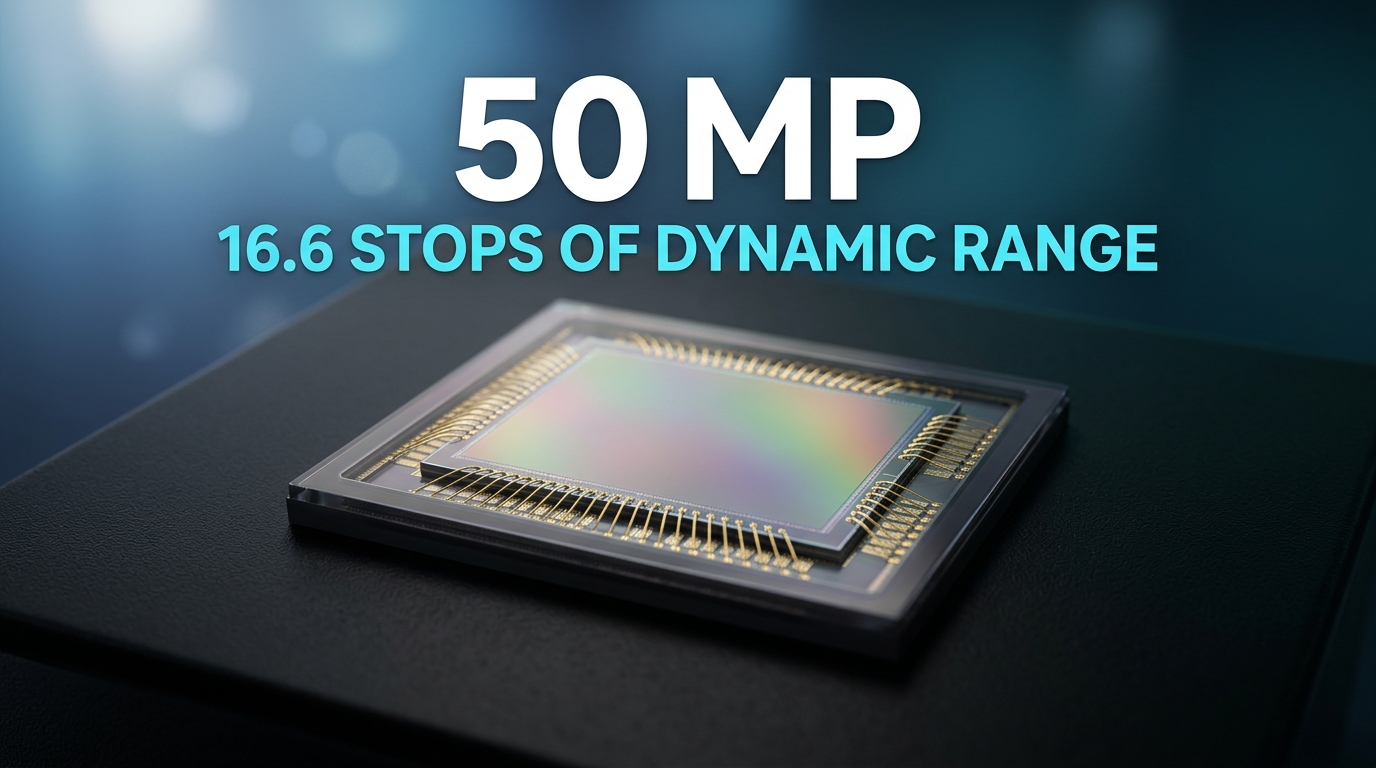
Quick Facts:
- Sensor: Sony LYTIA L910
- Type: ~50MP stacked CMOS, 1/1.28-inch (12.49 mm diagonal)
- Dynamic range: 100 dB single exposure, roughly 16.6 stops
- Core technology: LOFIC plus Triple Conversion Gain HDR
- Video: 4K2K at 60 fps with single-exposure HDR
- Production: Mass shipment planned for summer 2026
- Why it matters: Shows where sensor-level dynamic range in photography is heading
8 min read
In This Article
- Dynamic Range in Photography: Why Sony’s 16.6-Stop Sensor Matters
- Sony LYTIA L910 at a Glance
- What Dynamic Range Measures in a Photo
- Stops, Decibels, and Why 16.6 Sounds Big
- How LOFIC Widens the Range
- Why Dynamic Range Shows Up in Your Photos
- Phone Sensors vs. Dedicated Cameras
- How to Capture More Dynamic Range in Photography
- Final Verdict
- Frequently Asked Questions
Dynamic Range in Photography: Why Sony’s 16.6-Stop Sensor Matters
Dynamic range in photography decides whether your bright skies hold detail and your shadows stay clean. Sony made the topic loud again. On June 17, 2026, Sony Semiconductor Solutions announced the LYTIA L910, a roughly 50-megapixel smartphone sensor rated at 100 dB of single-exposure dynamic range. Translated into the language photographers use, the figure works out to about 16.6 stops.
The headline targets phone makers, yet the story reaches every photographer. A wider range means fewer blown highlights, more recoverable shadows, and more freedom when you edit. Therefore the L910 is a useful excuse to explain a spec you see on every camera page but rarely get to define.
This sensor will sit inside flagship phones, not cinema rigs. Still, the engineering goal mirrors what landscape, wedding, and concert shooters chase with dedicated cameras. Protect the highlights. Keep the shadows usable. Hold detail when a scene mixes neon signs, dark streets, and moving subjects. Below, you get the plain-English version of the number and how to use it.
Sony LYTIA L910 at a Glance
Sony describes the LYTIA L910 as a stacked CMOS image sensor built for high-end mobile cameras. The specs matter less than the technology, but they set the stage. Here are the confirmed figures from the announcement.
| Specification | Details |
|---|---|
| Resolution | ~50 effective megapixels |
| Sensor format | 1/1.28-inch type, 12.49 mm diagonal |
| Pixel size | 1.22 µm unit pixels, Quad Bayer Coding |
| Dynamic range | 100 dB single exposure (~16.6 stops) |
| Core HDR tech | LOFIC plus Triple Conversion Gain HDR |
| Video | 4K2K 16:9 at 60 fps with TCG HDR |
| Availability | Mass production planned for summer 2026 |
Notably, the megapixel count is not the news. Phone makers have sold 50MP and even 200MP sensors for years. Instead, the interesting part is how the L910 reaches its range from one frame, which the LOFIC section below explains.
What Dynamic Range Measures in a Photo
Dynamic range describes the gap between the brightest highlight and the darkest shadow a sensor records with real detail. Above the top of the range, bright areas clip to pure white. Below the bottom, dark areas sink into noise and pure black. Everything in between keeps usable information.
Think of a single frame at a wedding. The bride wears a white dress in direct sun. The groom stands in a dark suit under shade. A camera with narrow range forces a choice. Either the dress blows out, or the suit turns into a black blob. A camera with wide range holds texture in both at once.
Because of this, camera dynamic range shapes how forgiving your files feel in editing. When the range is wide, you pull back a bright sky and lift a shadowed foreground without ugly banding or color shifts. When the range is narrow, those same edits expose noise and crushed tones. The sensor sets the ceiling, and your software works underneath it.
Stops, Decibels, and Why 16.6 Sounds Big
Photographers measure dynamic range in stops. Each stop represents a doubling of light. So a sensor with 14 stops captures twice the range of a sensor with 13 stops, not a small bump. Engineers, meanwhile, often quote decibels. Sony used 100 dB for the L910.
To convert, you divide by the standard 6.02 dB per stop. As a result, 100 dB lands at roughly 16.6 stops. For context, many strong full-frame cameras measure around 13 to 15 stops in the lab. High-end cinema sensors reach about 17 stops. The human eye, with adaptation, stretches near 20 stops across a scene.
So 16.6 stops from a small phone sensor is a striking claim. However, a single number never tells the whole story. Sensor-level dynamic range, finished image range, and the latitude you feel while editing are related, though not identical. Tone mapping, the image processor, and the file format each shape the final result.
How LOFIC Widens the Range
The L910 leans on two ideas. First, LOFIC, short for Lateral Overflow Integration Capacitor. In plain terms, it gives each pixel a side tank to store extra charge when bright light floods the photodiode. As a result, the pixel holds highlight information instead of clipping to white.
Second, Sony pairs LOFIC with Triple Conversion Gain HDR. The sensor reads one exposure at three different gain levels. One read favors bright areas. Another handles midtones. A third lifts the darkest regions. Then the sensor blends them into a single wide-range frame. Sony also cites Ultra High Conversion Gain circuits, which reduce random noise in shadow areas.
This single-exposure approach matters for a practical reason. Traditional HDR photography stacks several bracketed frames, so moving subjects create ghosting and odd edges. A single-frame method sidesteps most of those artifacts. Consequently, action, flicker-heavy concerts, and busy street scenes hold together better. The same logic now drives modern image sensors across the industry.
Why Dynamic Range Shows Up in Your Photos
You meet dynamic range in photography every time light gets difficult. A backlit portrait at sunset pushes the sky and the face to opposite ends of the scale. An interior with a bright window mixes deep room shadows with glaring daylight. A snowy field under a dark forest spreads tones across a huge gap.
With wide range, you protect the highlight and still open the shadow in a raw file. For example, a landscape shooter holds cloud detail in a sunset while keeping foreground rocks readable. A real estate shooter keeps a bright window and a dim room readable in one frame. These results come straight from the sensor, before any editing begins.
HDR photography techniques add more range on top, yet they start with what the sensor delivers. Specifically, a stronger base range gives your bracketing and merging steps cleaner material to work with. Therefore better hardware lifts both single-frame and multi-frame workflows. The L910 pushes the base higher for phones, and the broader trend pushes it higher for the cameras you already own.
Phone Sensors vs. Dedicated Cameras
A 16.6-stop phone sensor raises a fair question. Does a flagship phone now beat a dedicated camera on dynamic range? The honest answer is nuanced. On paper, the L910 number rivals serious cameras. In practice, sensor size, lenses, and processing still separate the two paths.
Phones win on computation and convenience. They blend frames instantly and apply smart tone mapping. However, their tiny pixels gather less light, so deep shadows stay noisier and tone mapping often looks processed. Dedicated camera sensors, such as Sony’s stacked full-frame sensor, capture more light per pixel and give raw files more honest latitude.
So the realistic takeaway differs by goal. When you shoot quick travel snaps and social posts, a strong phone sensor handles tricky light well. For prints, commercial work, and heavy editing, a larger sensor still leads. Between those two needs sit options like a premium Micro Four Thirds compact, which trades a little size for more range. If you want a pocketable backup, the gap between phones and small-sensor compacts keeps shrinking, as the rise of pocket cameras with tiny sensors shows.
How to Capture More Dynamic Range in Photography
Hardware sets the ceiling on dynamic range in photography, but your technique decides how much reaches the final image. Several habits pull more usable tones from any sensor, whether you shoot a phone or a full-frame body. None of them cost money.
Start by shooting raw. A raw file keeps the sensor’s full dynamic range, while a JPEG bakes in choices and discards data. Next, drop to base ISO when light allows, because most camera sensors deliver their widest range at the lowest native ISO, often ISO 64 or 100. Then expose to protect highlights, since blown highlights rarely recover while shadows lift cleanly on modern sensors.
For high-contrast scenes, add bracketing. You capture several exposures and merge them later for true HDR photography results. Meanwhile, a graduated filter tames a bright sky in one frame. For phone shooters, the built-in HDR mode does similar work automatically. Above all, judge your histogram, not the bright preview screen, because the screen misleads you in sun.
Final Verdict
The Sony LYTIA L910 is a phone sensor, yet it carries a message for every photographer. Sensor-level camera dynamic range is the new battleground, and 16.6 stops from one exposure shows how far single-frame capture has come. For mobile shooters, this points toward steadier results in night scenes, concerts, and window-lit rooms where phone footage usually breaks.
For photographers committed to dedicated cameras, the lesson is steadier still. The same LOFIC and conversion-gain ideas already move toward larger sensors, so the gains reaching phones today preview the cameras you buy next. A higher base range helps both raw editing and HDR photography workflows.
Treat the 16.6-stop figure as a direction, not a finished promise. We have not seen the sensor inside a shipping phone with its real lens, processor, and color pipeline. A great sensor still loses range to heavy processing. Therefore judge the photos once devices arrive in summer 2026, and weigh them against the larger camera sensors, which still set the bar for serious work. If a pocketable second camera tempts you, our roundup of the best compact cameras of 2026 compares the current options.
Frequently Asked Questions
What is dynamic range in photography?
Dynamic range in photography is the span between the brightest highlight and the darkest shadow a sensor records with real detail. Photographers measure it in stops, where each stop doubles the amount of light. Wider range means more recoverable highlights and shadows.
How many stops of dynamic range is good for a camera?
Most strong full-frame cameras measure around 13 to 15 stops in lab tests. Around 14 stops handles demanding scenes like backlit portraits and bright landscapes. The new Sony sensor claims about 16.6 stops, though the figure comes from its 100 dB rating.
Is more dynamic range always better?
More dynamic range in photography gives you more editing freedom and fewer clipped highlights, so it helps in high-contrast light. However, a wide sensor range alone does not guarantee a natural photo. Tone mapping, the processor, and your editing choices shape how the final image looks.
Do phones now beat cameras on dynamic range?
On paper, the L910 rivals dedicated cameras. In practice, larger camera sensors gather more light per pixel and deliver cleaner shadows and more honest raw latitude. Phones win on speed and computation, while bigger sensors still lead for prints and heavy editing.
How do I get more dynamic range from my camera?
Shoot raw, work at base ISO, and expose to protect your highlights. For high-contrast scenes, bracket several frames and merge them into one high-range file, or use a graduated filter. Reading the histogram instead of the preview screen keeps your highlights safe.

