


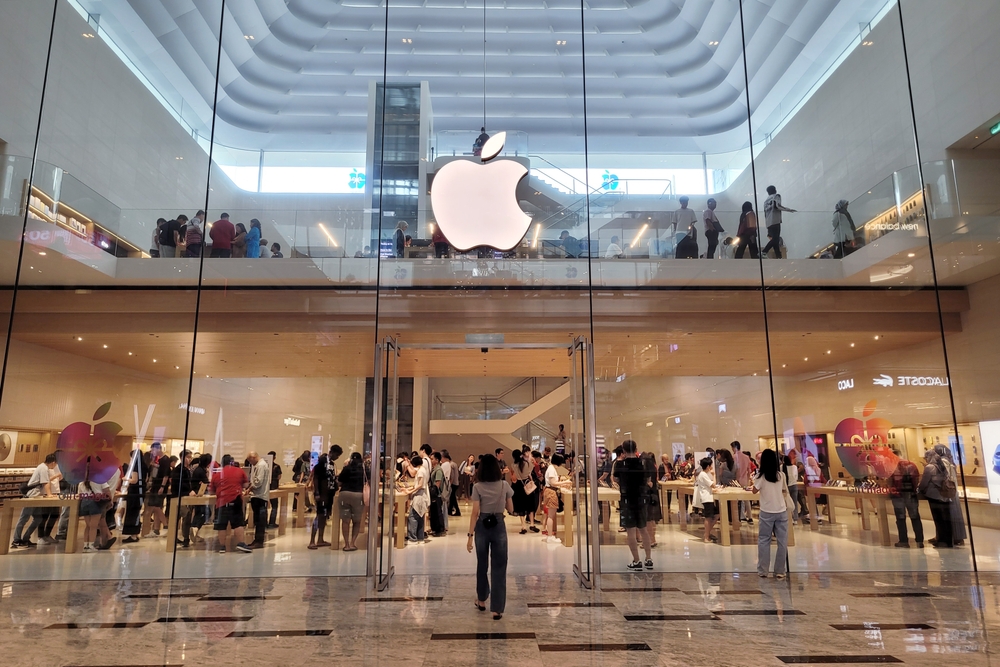
Quick Facts:
- What’s happening: Apple is piloting Live Notes, a tool that records and AI-transcribes Genius Bar conversations between employees and customers.
- Consent required: Both the customer and the employee must opt in before Live Notes activates.
- Where it goes: The transcript and AI summary land on the employee’s iPad, not a shared company database.
- Apple’s stance: The company says raw recordings are not saved and managers do not receive transcripts.
- Employee control: Workers can edit the transcript and summary before saving them to Apple’s internal system.
- Reported by: Bloomberg’s Mark Gurman, in his Power On newsletter, on July 19, 2026.
- Best for: Photographers and Apple owners who visit the Genius Bar for camera, iPhone, or Mac repairs.
8 min read
In This Article
What’s Happening: Apple Genius Bar Recording Conversations Explained
Apple has started recording conversations between customers and Genius Bar workers. The pilot program is called Live Notes. It transcribes the exchange and gives both employee and customer a written record. Bloomberg’s Mark Gurman broke the story on July 19, 2026, two days after Apple briefly passed Nvidia as the world’s most valuable company. Apple has spent years building its brand on Apple Store privacy marketing, so this news marks a notable reversal.
Live Notes only activates when both sides agree to it. Because the tool relies on AI transcription rather than a human note-taker, Apple says it exists to save Genius Bar staff time, not to track performance. Employees edit the transcript and the AI summary before saving either one to Apple’s internal system. The company says it does not keep the raw audio.
This rollout comes at an awkward moment. Genius Bar staff already juggle long lines, frustrated customers, and complex repair diagnostics. Some workers worry a time-saving tool risks quietly becoming a performance tracker. Apple denies any such intent. Still, the concern lines up with workplace monitoring tools other large employers rolled out this year.
How Apple’s Live Notes System Works
So how does Live Notes work behind the counter? The system works like a meeting-transcription app moved to a retail setting. First, a Genius Bar employee starts the tool once a customer accepts the recording prompt. Then the system listens to the conversation and produces an AI transcription of what got said. Since the AI summary comes right after, the employee never has to type notes from memory. This approach echoes the customizable capture tools Apple reportedly plans for its iOS 27 camera app.
The summary and transcript then move to the employee’s iPad, not a shared company database. Apple told Bloomberg its managers do not receive the raw transcript. The recording itself, Apple says, gets deleted rather than archived. Next, the employee reviews the text and fixes any errors. Then the worker saves a cleaned-up version to Apple’s internal system before the appointment ends.
Consent sits at the center of the design. If a customer declines the prompt, Live Notes simply stays off. The appointment then proceeds the normal way, with the employee typing notes by hand. Apple built the opt-in step for both parties. This detail separates Apple Live Notes from workplace monitoring tools running without an employee’s say. Whatever brings you to the counter, here is the Apple gear photographers most often have in hand at the Genius Bar.
Apple Gear Photographers Bring In for Repairs

![Apple Watch Ultra 2 [GPS + Cellular 49mm] Smartwatch with Rugged Titanium Case & Blue/Black Trail Loop S/M. Fitness Tracker, Precision GPS, Action Button, Extra-Long Battery Life](https://m.media-amazon.com/images/I/41ZpqNIND6L._SL500_.jpg)
Apple Watch Ultra 2 [GPS + Cellular 49mm] Smartwatch with Rugged Ti…
Why Genius Bar Employees Are Uneasy About Being Recorded
Some Genius Bar workers worry Live Notes will grow beyond its stated purpose. A note-taking tool easily turns into a management record. Apple insists this is not the plan today. Employees interviewed by Bloomberg described feeling nervous about a pilot recording their exact words during every customer interaction. Especially for newer hires, this kind of scrutiny feels different from a manager’s occasional check-in.
This fear has precedent elsewhere. JPMorgan rolled out a monitoring tool in 2026. It tracks junior bankers’ keystrokes, video calls, and meeting schedules. JPMorgan compares the practice to weekly screen-time reports on a smartphone. The bank frames it as support for employee wellbeing, not a performance review. Apple uses similar language about Apple Live Notes.
The company has also built privacy signaling into other hardware. Its prototype AirPods with built-in cameras include a status light showing when camera data is actively leaving the device. This same instinct toward visible consent runs through Live Notes. Both parties must actively agree before recording starts. Still, stated policies often shift over time. Meanwhile, workers naturally weigh what a tool might become against what it does today.
The Wider Pattern: Apple and Workplace AI Monitoring
Apple is not the first major tech or finance company testing AI-driven employee monitoring in 2026. It likely will not be the last. Meta’s own staff morale dropped sharply after a wave of AI-related monitoring and restructuring. The company responded by raising its snack and travel budgets instead of rolling back the programs. Workers there compared the mood to being drafted into a system they did not choose.
JPMorgan’s approach differs from Apple’s in one key way. It runs in the background without an opt-in from every employee. Apple’s consent requirement for Live Notes puts it closer to a customer-facing tool than a surveillance system. A declined prompt simply turns the feature off. This distinction matters, even if it does not erase every employee’s concern.
The pattern reaches beyond Apple and JPMorgan. Several large employers rolled out AI monitoring pilots in 2026, covering everything from call-center transcription to warehouse productivity tracking. Apple has also moved fast on AI elsewhere, including its Color.io acquisition earlier this year, so quick AI moves fit the company’s current pace. Consent, not the underlying AI transcription technology, is what sets Live Notes apart from most of these tools. None of this changes what happens at your own next appointment, though. It comes down to a simple choice.
What Apple Genius Bar Recording Conversations Means for You
If you have an upcoming Genius Bar appointment, here is what changes: you get final say. You decide whether your visit gets recorded at all. A consent prompt appears before Live Notes turns on. Skipping it changes nothing about the service you receive. The tool is opt-in only, not a default setting baked into every appointment.
For photographers, this kind of Genius Bar visit usually involves an iPhone camera issue. It sometimes means a MacBook running Lightroom or Photoshop, or an iPad used for on-location editing. A written transcript of the technician’s diagnosis genuinely helps, since it gives you a record of the recommended fix instead of relying on memory once you leave the store.
A Genius Bar Visit From a Longtime Apple User
From experience: I have been a die-hard Apple user for close to 17 years now. Every computer I own is a Mac. I am on my third or fourth Apple TV. Beyond this setup, I use an Apple Watch Ultra, an iPhone, and plenty of other Apple gear every day. A written record of a Genius Bar visit is the kind of change I would welcome. It beats trying to remember a technician’s instructions after I have already left the store.

iPhone 17 Pro Max Deep Blue 256GB (Unlocked)
The camera system Apple's own Genius Bar technicians know best, built for photographers who want pro-grade shots straight from their pocket.
- 48MP Pro camera system
- 8x optical-quality zoom range
- ProRes RAW capture support
- Pro Max size is bulky for one-handed shooting
Not every reader wants a transcript on record, and this is fine too. Live Notes stays off unless you say yes. The choice comes down to whether a written summary of your repair is worth one extra step: tapping consent on an employee’s iPad. This balance is what makes Live Notes different from monitoring tools employees never get to see.
Final Thoughts
In many ways, Apple Genius Bar recording conversations turns a routine repair visit into a small test case. It asks how far AI monitoring should reach inside a workplace. The company built real safeguards into Live Notes, including mutual consent, editable transcripts, and a stated no-managers-see-this-data policy. Those choices put Apple ahead of tools like JPMorgan’s keystroke tracker, which runs without asking employees to opt in first.
Still, a pilot program tends to expand over time. Today, Live Notes only touches Genius Bar visits. However, the underlying AI transcription and summarization technology might still migrate to other Apple retail roles. Other companies are watching how this test lands too, since similar transcription tools already run in call centers and video meetings elsewhere. Because of this, employees are right to track this possibility closely. A tool built for convenience today risks getting repurposed for oversight tomorrow.
For customers, the calculus is simpler. Consent means you decide, appointment by appointment, whether Live Notes runs. Photographers who depend on the Genius Bar for repairs get a new option, not a new obligation. This framing matters more than any single feature Apple ships this year.
Apple has not said whether Live Notes will expand past its current test stores. Bloomberg’s reporting suggests the company is still watching how employees and customers respond. Expect more detail once Apple decides whether the pilot becomes a permanent part of the Genius Bar experience nationwide.
FAQ
What Is Apple’s Live Notes Tool at the Genius Bar?
Live Notes is Apple’s pilot tool. It records, transcribes, and AI-summarizes conversations between Genius Bar employees and customers. Both people must agree to the recording before it starts. The resulting transcript goes to the employee’s iPad, not a shared company database.
Does Apple Record Every Genius Bar Conversation?
No. Live Notes only activates when both the customer and the employee opt in for this specific appointment. If either person declines, the conversation proceeds without recording. The technician takes notes the traditional way instead.
Can I Opt Out of Being Recorded at the Genius Bar?
Yes. You will see a consent prompt before Live Notes turns on. Declining it does not affect the service or repair you receive. Opting out simply means the employee takes handwritten or typed notes instead of an AI transcript.
Do Apple Store Managers See My Recorded Conversation?
Apple says managers do not receive the transcripts, and the raw audio recording itself is not saved. The employee reviews and edits the AI summary before saving a final version to Apple’s internal Genius Bar system.
Why Are Genius Bar Employees Uneasy About Apple’s Live Notes Tool?
Some employees worry a tool built to save time on notes might eventually double as a performance-tracking record. Apple says this is not the intent. Similar monitoring tools at companies like JPMorgan have raised comparable concerns among workers this year.
Will Apple Live Notes Expand to Other Apple Stores?
Apple has not confirmed a wider rollout. Bloomberg’s reporting describes Live Notes as a pilot limited to select stores for now. Apple Store privacy advocates and employee groups are both likely to watch the results closely before any nationwide expansion.

