


Quick Facts:
- Topic: Apple’s 2026 iPhone lineup, a first look for photographers
- Devices: iPhone 18 Pro and the foldable iPhone Ultra
- Headline rumor: A variable aperture main lens on the iPhone 18 Pro
- Foldable cameras: Two 48MP lenses, no telephoto (reported)
- Rumored Ultra price: From about $1,999
- Expected launch: September 2026 (Pro models; foldable timing less certain)
- Confirmed by Apple: Nothing yet
- Best for: Photographers tracking the iPhone 18 Pro before launch
8 min read
In This Article
- iPhone 18 Pro Camera Overview
- Leaked vs. Speculation: A Confidence Check
- Variable Aperture, Explained for Photographers
- What Else Changes on the iPhone 18 Pro Camera
- The Foldable iPhone Ultra: Big Screen, Smaller Camera
- Should Photographers Wait for the iPhone 18 Pro?
- What We’re Watching Before September
- Frequently Asked Questions
iPhone 18 Pro Camera Overview: What Photographers See in the Leaks
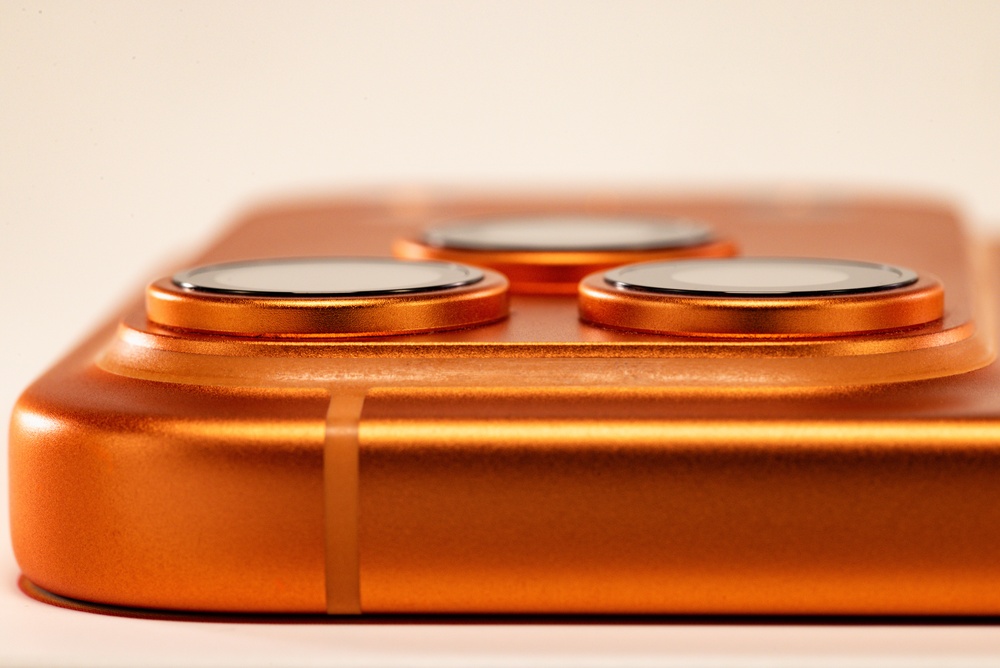
The iPhone 18 Pro camera has become the loudest photography rumor of 2026. However, the phone you keep seeing in hands-on videos is a non-working dummy. Case makers build these mockups so accessories ship on day one. As a result, the models reveal the shape of the phone, while the parts under the glass stay unconfirmed.
Hands-on look at the iPhone 18 Pro and iPhone Ultra design mockups. Video via AppleTrack.
This distinction matters for anyone who shoots. A plastic mockup shows body size, button placement, and how many camera openings sit on the back. It tells you nothing about the sensor, the lens, or the processing inside. Therefore, the photography claims worth your attention live in supply-chain reports, not in a model held up to a ring light.
Apple plans two flagships first. The iPhone 18 Pro refines a familiar formula, while the foldable iPhone Ultra opens a new category. Compared to the iPhone 17 Pro, the Pro keeps the same aluminum body and footprint, so many current cases should still fit. Still, the camera story is where photographers should focus.
Picture a weekend shoot where light shifts fast. You want shallow depth for a portrait, then deep focus for a landscape minutes later. The leaked camera features point straight at this scenario, although nothing is official until Apple speaks in the fall.
Leaked vs. Speculation: A Confidence Check
Most coverage blends three different things into one rumor stew. First, there are details visible on the mockups. Second, there are supply-chain reports from credible leakers. Third, there is wishful speculation with thin sourcing. Sorting them keeps you grounded before launch.
The table below grades the main claims by how solid the sourcing looks today, on June 16, 2026. Treat the top rows as likely and the bottom rows as loose. Notably, the one source everyone lacks is Apple itself.
| Camera claim | Confidence level |
|---|---|
| Same body and footprint as iPhone 17 Pro | High, visible on mockups |
| Taller camera plateau, ~35% smaller Dynamic Island | High, visible on mockups and widely reported |
| Variable aperture main 48MP lens | Medium, supply-chain reports (Ming-Chi Kuo), corroborated |
| 2nm A20 Pro chip and in-house C2 modem | Medium, multiple reports |
| 24MP front camera | Low, thin sourcing |
| Foldable Ultra: two 48MP lenses, no telephoto | Medium, two openings on the mockup plus reports |
| Ultra inner display near 7.8 inches | Medium, reported as a 7.6 to 7.8 inch range |
| Ultra price from about $1,999 | Low to medium, analyst estimates vary |
| September 2026 launch window | Medium for the Pro, disputed for the fold |
| Anything confirmed by Apple | None |
This rubric is the honest spine of the whole iPhone 18 Pro camera story. We see the outside clearly, while the hardware inside stays a reported guess.
Variable Aperture, Explained for Photographers
The iPhone 18 Pro variable aperture rumor is the one detail worth real attention. On a dedicated camera, aperture controls how wide the lens opens. A wide opening blurs the background and pulls in light. A narrow opening sharpens front to back and tames bright scenes.
Current iPhones fake this effect in software through Portrait mode. By contrast, a true variable aperture moves physical blades inside the lens. So the depth and the light change optically, before any computation touches the frame. For photographers, optical control beats a software guess every time.
The practical wins stack up fast. A narrow aperture cleans up sunstars on a streetlight and reduces blown highlights at midday. A wide aperture helps in dim rooms and gives portraits a more natural falloff. Because the change happens in glass, edges around hair and glasses look cleaner than software cutouts.
One caution keeps this grounded. MacRumors notes the phone still uses a small sensor, so the real-world gain has limits. Smartphone physics will not match a full-frame lens at f/1.4. Still, optical aperture control would be the most camera-like upgrade Apple has shipped. If you shoot in changing light, the smartphone night photography techniques you already use would benefit most.
What Else Changes on the iPhone 18 Pro Camera
Beyond the lens, several iPhone 18 Pro camera rumors point to quieter upgrades. Reports describe a 2nm A20 Pro chip, which would speed up the heavy lifting behind every photo. Computational steps like deep fusion and night mode lean hard on the processor. As a result, faster silicon usually means faster shot-to-shot timing and better noise handling.
A taller camera plateau also appears on the mockups. Leakers say the extra height makes room for the new lens hardware underneath. Meanwhile, the front camera is rumored to climb to 24MP, although the claim sits on thinner sourcing. Selfie resolution rarely drives a purchase, yet sharper video calls would be a small bonus.
Software matters as much as glass here. Apple keeps pushing its imaging pipeline, and the iOS 27 Camera app changes already give photographers more manual control. The recent Apple Color.io acquisition points the same direction. Pair deeper controls with optical aperture, and the iPhone 18 Pro Max camera in particular starts to read like a tool, not a toy.
One more note keeps expectations fair. Apple has confirmed none of this. The iPhone 18 camera rumors look credible, yet credible is not final. Treat the chip and plateau as likely and the 24MP selfie as unproven until the keynote.
The Foldable iPhone Ultra: Big Screen, Smaller Camera
Apple’s first foldable is the headline act, although its camera tells a strange story. The iPhone Ultra reportedly opens to a 7.6 to 7.8 inch inner display shaped like an iPad mini. This canvas looks ideal for reviewing, culling, and editing on the road. For framing and capture, however, the rear setup steps backward.
Reports and the mockup agree on two rear cameras: a 48MP wide and a 48MP ultra-wide. There is no telephoto opening on the model. Consequently, a photographer moving up from a Pro would lose optical zoom while paying more. As 9to5mac reports, Ultra buyers give up the telephoto and its zoom reach. For a photographer, this gap stands out as the array’s clearest weakness.
The trade is simple in plain terms. You gain a tablet-sized editing surface and lose reach. Wildlife, sports, and tight portraits all suffer without a dedicated zoom. Yet street, travel, and documentary work would thrive on the bigger viewfinder and the wide pair.
The fold also drops Face ID for a Touch ID power button, and rumors hint at an under-display selfie camera. Rivals already chase this space, so the foldable camera phones like the Honor Magic V6 show what a zoom-equipped fold looks like. Apple, notably, chose the screen over the lens this round.
Should Photographers Wait for the iPhone 18 Pro?
Your shooting style answers this faster than any spec sheet. If you live in changing light and value optical control, the iPhone 18 Pro camera is worth the wait. The variable aperture, if real, addresses a genuine gap in phone photography. Therefore, portrait and landscape shooters have the strongest reason to hold out.
The iPhone Ultra is a different calculation. You pay a reported $1,999 or more and lose telephoto reach. For zoom-heavy work, the Pro stays the smarter buy, even with a smaller screen. Still, hybrid shooters who edit on the go might value the foldable canvas more than the lost lens.
Set the phone against a real camera too. A modern mirrorless body still wins on sensor size, lenses, and control, as the phone vs. dedicated camera comparison lays out. Even a variable aperture lens rides a small sensor, so depth control stays milder than f/1.4 glass. For travel and quick frames, though, the iPhone wins on pocketability and speed. Pick the body by the shoot ahead, not by the rumor cycle.
What We’re Watching Before September
This is a first look at the iPhone 18 Pro camera, not a verdict, because the products are not real yet. The mockups confirmed the shape, while the parts inside stay unconfirmed. We will hold every spec loosely until Apple stands on stage and shows working units.
Three questions will decide the photography story. First, does the variable aperture ship, and how many stops of real control does it offer? Second, does the foldable gain any zoom, or does the two-lens array stand? Third, how aggressive is the new processing pipeline on noise and color?
We will update this piece the moment Apple confirms specs, likely in September 2026. Until then, treat the leaks as a preview, not a promise. The shape is public, while the photography stays a question mark until the keynote.
Frequently Asked Questions
Will the iPhone 18 Pro have a variable aperture camera?
Credible supply-chain reports, led by analyst Ming-Chi Kuo, point to an iPhone 18 Pro variable aperture main lens. Multiple outlets have echoed the claim. However, Apple has not confirmed it, so treat the feature as likely rather than certain until the launch event.
When does the iPhone 18 come out?
Reports expect the iPhone 18 Pro, iPhone 18 Pro Max, and the foldable iPhone Ultra in September 2026. The standard iPhone 18 and a second iPhone Air are rumored to slip to spring 2027. Apple has not announced any date as of June 2026.
How much will the foldable iPhone Ultra cost?
Analyst estimates start near $1,999 for the base model, which would make it Apple’s most expensive iPhone. Pricing rumors still vary widely. Expect a firm figure only when Apple reveals the device.
Does the foldable iPhone Ultra have a good camera?
The iPhone Ultra reportedly carries two 48MP rear lenses, a wide and an ultra-wide, with no telephoto. For everyday and wide shots, the setup should perform well. For zoom and reach, though, the iPhone 18 Pro Max camera remains the stronger choice.
What iPhone 18 Pro upgrades are confirmed versus rumored?
Nothing is confirmed by Apple yet. The mockups confirm body size, a taller plateau, and a smaller Dynamic Island. The iPhone 18 Pro camera rumors covering variable aperture, the A20 Pro chip, and a 24MP selfie remain unverified supply-chain claims.
Is the iPhone 18 Pro a real camera upgrade for photographers?
If the variable aperture ships, yes, because optical control beats software blur. The iPhone 18 camera improvements would help most in changing light. Still, a small sensor limits the gain, so manage expectations until real samples appear.

