


Quick Facts:
- Topic: The 2026 camera memory card shortage
- Root cause: AI data centers buying up NAND flash memory
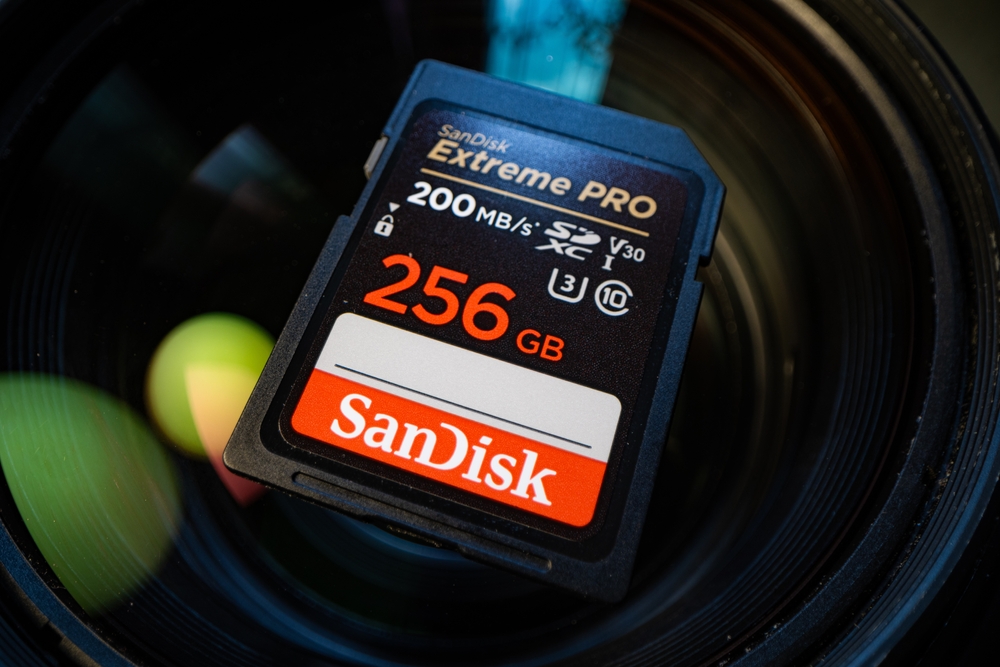
- SD card example: SanDisk Extreme Pro 128GB rose from about $30 to about $52
- CFexpress example: One 512GB card jumped from EUR 160 to over EUR 360 in two weeks
- NAND price move: Contract prices up 70-75% in Q2 2026 alone
- Expected relief: Mid-to-late 2027
- Best for: Any photographer buying cards or planning a 2026 gear budget
8 min read
In This Article
Camera Memory Card Shortage Overview: What You Face in 2026
The camera memory card shortage of 2026 turned a routine purchase into a real budget problem. Prices for SD and CFexpress cards climbed sharply this year, and the cause sits far outside photography. Artificial intelligence data centers now buy up the same flash memory your cards rely on. As a result, supply tightened and prices rose. If you shoot high-resolution stills or 8K video, you feel the squeeze first, because those formats fill cards fast.
This guide speaks to working photographers, weekend enthusiasts, and anyone who bought into the 2026 compact camera boom. You want three answers: why cards cost more, how much more, and what to do next. Below, you get the numbers from primary industry sources. Then you get a practical plan to protect your gear budget. Everything here reflects pricing and forecasts current as of July 2026.
Here is the short version. NAND flash, the storage chip inside every memory card, sits in severe shortage. Manufacturers shifted production toward higher-margin AI memory, so consumer cards became scarce. Consequently, some CFexpress cards more than doubled in price within weeks. Relief looks unlikely before late 2027. Therefore, careful buying now protects you from steeper prices later.
Memory Card Prices in 2026: The Numbers
Numbers tell this story better than adjectives. The table below pulls verified figures from industry pricing services and retailer tracking through the first half of 2026. Notice how the pain lands hardest on the fast, high-capacity cards professionals depend on.
| Item | Price move in 2026 |
|---|---|
| SanDisk Extreme Pro 128GB SD | About $30 to about $52 by March |
| CFexpress 512GB (EU retailer) | EUR 160 to over EUR 360 in two weeks |
| CFexpress Type A and Type B (broad) | Up 20-60%, and more in some cases |
| NAND contract prices, Q1 2026 | Up 55-60% quarter over quarter |
| NAND contract prices, Q2 2026 | Up 70-75% quarter over quarter |
| NAND full-year 2026 forecast | Up 186% year over year (Citigroup) |
| Expected relief | Mid-to-late 2027 |
One data point frames the whole year. A SanDisk Extreme Pro 128GB SD card sold for roughly $30 in January. By March, the same card reached about $52, a jump near 70%. Meanwhile, CFexpress card prices moved even faster at the high end. These are not seasonal swings. Instead, they reflect a structural supply problem with no ceiling yet.
Lock In Today’s Price
Buy Reliable SD Cards Before the Next Hike
The SanDisk Extreme Pro line stays a dependable pick for stills and 4K. Check current stock and pricing while inventory lasts.
Why the Camera Memory Card Shortage Happened
The trigger is artificial intelligence, not photography. AI data centers store model weights and cached data on high-speed flash drives. Because those systems answer millions of requests per second, they need fast NAND storage in enormous volume. When hyperscalers finalized their 2026 AI budgets in late 2025, the order sizes stunned memory makers. One 20-year industry veteran told Sherwood News the demand ran off the charts.
Supply then moved the wrong way for photographers. Samsung and SK Hynix, the two largest memory producers, cut NAND wafer output to free up capacity. Specifically, Samsung trimmed production from roughly 4.9 million wafers in 2024 to 4.68 million in 2025. SK Hynix dropped from 1.9 million to 1.7 million over the same span. They redirected the freed capacity toward High Bandwidth Memory, a premium AI product with fatter margins than consumer flash.
New supply also takes years to arrive. A fresh NAND fabrication plant costs $15 to $20 billion and needs two to three years to reach volume production. Industry-wide NAND capital spending grew only about 5% in 2026, and most of the money funded process upgrades rather than new factories. Because you cannot conjure a fab overnight, prices kept rising. SanDisk stock reflected the crunch, climbing roughly 800% in the first half of 2026 to become the top performer in the S&P 500.
SD Cards vs CFexpress: Where the Price Hikes Hit Hardest
Both card types cost more now, yet the damage is uneven. CFexpress card prices took the sharpest blow, especially at 256GB and above. High-capacity cards use more NAND per unit, so a supply shortage hits them harder. One European retailer watched a 512GB CFexpress card climb from EUR 160 to over EUR 360 in two weeks. A jump of 125% on one product shows the scale of the problem.
SD cards rose too, though the mid-range stayed more manageable. A 128GB Extreme Pro near $52 stings, yet it remains reachable for most shooters. For a hybrid or entry-level mirrorless camera, a pair of solid UHS-II SD cards still fits a working budget. However, flagship bodies force the issue, because they demand CFexpress Type A or Type B for full burst and 8K performance.
Your buying strategy should follow your camera. If you shoot on SD, stock the capacities you use often and skip the halo tiers. If your body requires CFexpress, buy sooner rather than later, since those prices climb fastest. Above all, match card speed to your real workload instead of chasing the largest number on the shelf.
Offload, Don’t Hoard
Move Photos to a Fast Portable SSD
A portable SSD like the Samsung T9 clears your cards for reuse and adds a second backup copy. Compare capacities and prices today.
How to Protect Your Workflow During the Shortage
You cannot fix global NAND supply, yet you control your own habits. A few adjustments keep your storage costs down and your images safe. Start with buying discipline, then build a smarter offload routine.
Buy the cards you need, not a stockpile
Prices keep rising, so buying the capacities you use now beats waiting. Still, resist panic hoarding. Cards degrade with age and grow obsolete as camera formats change. Instead, buy enough to cover your shoots for the next year, and pair each camera with one primary and one backup card.
Offload to a drive instead of buying more cards
Cards work best as temporary capture media, not long-term storage. After each shoot, move files to an external hard drive built for photographers, then reformat the card for reuse. This habit stretches a small set of cards across many projects. For editing and offload on the road, a capable editing laptop pairs well with a portable SSD.
Follow a 3-2-1 backup rule
Keep three copies of every image, on two types of media, with one copy off site. This rule matters more when replacement cards cost double. It also protects you when you travel with camera gear, where loss or theft is a real risk. Because your archive lives on drives, not cards, you free your cards for active shooting.
Buy from trusted sellers
Shortages breed counterfeits. Fake cards spoof capacity and speed, then corrupt your files mid-shoot. Therefore, buy from the manufacturer or an authorized retailer, and avoid deals far below market price. A real card at a fair price beats a cheap counterfeit prone to corrupting your photos.
When Memory Card Prices Will Fall
Do not expect quick relief. The supply gap traces back to fab capacity, and new plants take years to build. Micron’s next factory arrives in 2027 at the earliest, and most analysts point to mid-to-late 2027 before prices ease. Until then, demand from AI keeps flash memory scarce and expensive.
Pricing forecasts underline the timeline. Citigroup projects average NAND prices rising 186% across 2026, with tightness likely to persist beyond 2027. Big buyers lock in multi-year supply contracts, yet retail shoppers still face the open market. For the average photographer, the takeaway on memory card prices 2026 is simple: budget through 2027, not for this season alone.
Final Verdict

The camera memory card shortage is a supply story with a photography-sized bill. Every shooter who buys SD or CFexpress cards now pays more, and the fastest, highest-capacity cards took the steepest hikes. This matters most for professionals shooting 8K video or long RAW bursts, since those workflows burn through storage.
The trade-off is patience versus cost. Waiting for prices to fall means waiting into 2027 at least. Buying now costs more than a year ago, though likely less than next quarter. For most photographers, buying the cards you truly need today, then leaning on drives for storage, strikes the right balance.
Value comes from smarter habits, not bigger purchases. A disciplined offload routine, a solid backup drive, and a matched pair of cards per body will carry you through the shortage without overspending. If your camera uses SD, the SanDisk Extreme Pro line remains a dependable buy. If you need long-term storage, a portable SSD such as the Samsung T9 does more for your budget than another stack of cards.
Frequently Asked Questions
Why are camera memory cards so expensive in 2026?
The camera memory card shortage comes from AI demand for NAND flash. Data centers buy enormous volumes of flash storage, and memory makers shifted production toward higher-margin AI memory. As supply tightened, SD card prices and CFexpress card prices climbed, with some cards more than doubling in weeks.
Are SD card prices going up or down?
SD card prices moved up through the first half of 2026. A SanDisk Extreme Pro 128GB card rose from about $30 to about $52 by March. Mid-range SD cards remain reachable, though every tier costs more than it did a year ago.
When will memory card prices go down?
Most analysts point to mid-to-late 2027 before prices ease. New NAND factories take two to three years to reach volume, and AI demand keeps supply tight. Track memory card prices 2026 with 2027 in mind, since new fab capacity is the real turning point.
Should I stockpile memory cards now?
Buy the capacities you use, but skip a large stockpile. Cards age and formats change, so a huge stash risks waste. A better move is offloading to drives so a small set of cards covers many shoots.
Which memory cards are affected by the NAND flash shortage?
The NAND flash shortage hits every card built on flash memory, including SD, microSD, and CFexpress. High-capacity CFexpress cards took the sharpest increases because they use more NAND per unit. SD cards rose too, though less severely in the mid-range.
Does the shortage affect video shooters more than photographers?
Video shooters feel it first. 8K and high-frame-rate footage fills fast, high-capacity cards quickly, and those cards saw the biggest price jumps. Still, anyone shooting large RAW files also needs more storage and pays the higher rates.

