


Quick Facts:
- Product: Z Fold8 Ultra camera
- Main camera: 200MP Quad Pixel AF, f/1.7, 2x optical zoom
- Ultra-wide: 50MP, shared with the standard Z Fold8
- Telephoto: 10MP, new for this generation
- Display: 8-inch AMOLED unfolded, 6.5-inch FHD+ cover screen
- Video: 8K at 30 frames per second
- Price: Starts at $2,099.99 for 256GB
- Release date: August 7, 2026
- Best for: photographers who want a foldable without giving up much camera quality
8 min read
In This Article
- Overview: A Foldable That Finally Nears Flagship Camera Quality
- Key Specs at a Glance
- What Changed in the Camera
- Z Fold8 Ultra vs the Standard Z Fold8
- Display and Design Behind the Camera Gains
- Video and Low-Light Performance
- Z Fold8 Ultra vs Galaxy S26 Ultra: How Close Is the Gap?
- Final Verdict
- FAQ
Overview: A Foldable That Finally Nears Flagship Camera Quality
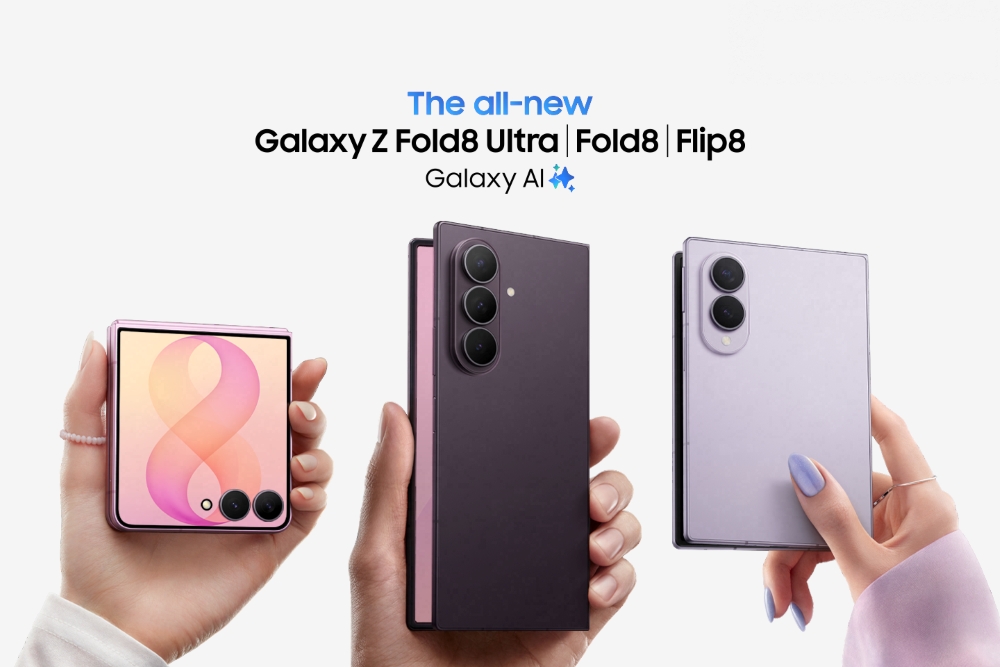
Samsung’s Galaxy Z Fold8 Ultra camera closes a gap defining foldable phones since the format began. Every past Galaxy Fold traded photo quality for the hinge. Buyers accepted a weaker sensor as the price of a folding screen. This trade shrinks with the new release. The Z Fold8 Ultra pairs a 200-megapixel main sensor with an 8-inch main display when unfolded. A 6.5-inch cover screen also enables quick shots without opening the phone. This review also tests how far the foldable phone camera format has come this generation.
Samsung revealed the Z Fold8 Ultra alongside the standard Z Fold8 and the Z Flip8 at its July 2026 Unpacked event, detailed in PetaPixel’s launch coverage. TM Roh, president of Samsung’s Device eXperience division, called mobile devices “the most personal entry point” for agentic AI. However, camera hardware matters more to photographers than the software story. This foldable suits a specific reader: someone who wants a big screen for editing and reviewing shots on location. It is not the right pick for a buyer chasing only the single best phone camera on the market. The Galaxy S26 Ultra still edges ahead in one respect, covered below. The Z Fold8 Ultra starts at $2,099.99 for 256GB. All three new foldables ship on August 7, 2026, through Samsung, Amazon, Best Buy, and major US carriers.
Samsung Newsroom filmed all three foldables on the Unpacked show floor right after the reveal. The clip below gives a close hands-on look at the Z Fold8 Ultra alongside the standard Z Fold8 and Flip8.
Video source: Samsung Newsroom on YouTube.
Key Specs at a Glance
| Specification | Z Fold8 Ultra |
|---|---|
| Main camera | 200MP Quad Pixel AF, f/1.7, 2x optical zoom |
| Ultra-wide camera | 50MP |
| Telephoto camera | 10MP |
| Unfolded display | 8-inch AMOLED |
| Cover display | 6.5-inch FHD+ |
| Battery | 5,000mAh, 45W wired, 20W wireless |
| Weight | 215 grams |
| Starting price | $2,099.99 (256GB) |
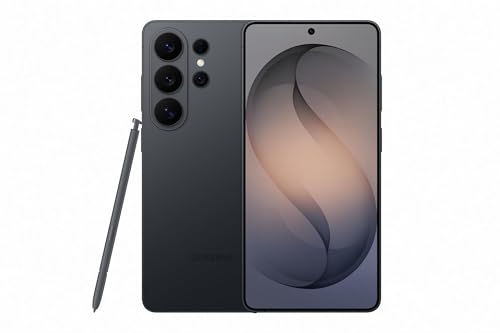
The comparisons below weigh all three phones shown here: the Z Fold8 Ultra, the standard Z Fold8, and the Galaxy S26 Ultra.
Samsung Galaxy Foldables and Flagships Mentioned in This Article


Samsung Galaxy Z Fold8 Unlocked Cell Phone + $350 Gift Card
What Changed in the Galaxy Z Fold8 Ultra Camera

The new main sensor drives most of the improvement. Samsung fitted the Z Fold8 Ultra with a 200-megapixel Quad Pixel AF sensor behind a fast f/1.7 lens, plus 2x optical zoom. Specifically, this lens gathers noticeably more light than most foldable cameras have offered before. More light directly improves low-light detail and background separation.
Samsung paired the main sensor with a 50-megapixel ultra-wide camera, the same unit used on the standard Z Fold8, plus a new 10-megapixel telephoto lens. A 10-megapixel telephoto sounds modest next to a dedicated camera’s zoom lens. However, it represents the strongest reach Samsung has offered on a book-style foldable to date. A dedicated mirrorless body with a 70-200mm zoom still reaches farther than any foldable phone camera today. The foldable format keeps closing this distance every generation.
The result reads less like a compromise and more like a genuine flagship camera system inside a folding chassis. Readers who track flagship phone camera tradeoffs already know something important. A faster lens and a larger main sensor usually force manufacturers to sacrifice zoom range or ultra-wide performance elsewhere. Samsung’s ability to hold all three cameras at meaningful specs makes this generation different.
Z Fold8 Ultra vs the Standard Z Fold8
Samsung split its book-style foldable line into two distinct phones this year. The camera is where the split matters most. The standard Z Fold8 drops the telephoto lens entirely. It relies on a 50-megapixel main camera with 2x optical zoom and a 50-megapixel ultra-wide camera with a 120-degree field of view. Two cameras instead of three limit anyone who shoots portraits or distant subjects often.
Pricing reflects this gap. The Z Fold8 Ultra starts at $2,099.99 for 256GB, climbing to $2,299.99 for 512GB and $2,699.99 for 1TB. The standard Z Fold8 starts at $1,899.99 for 256GB and reaches $2,499.99 for 1TB. This discount runs a flat $200 at every storage tier. A reader who mainly shoots landscapes and everyday snapshots gets full coverage from the standard Fold8’s two-camera setup. Anyone who wants a telephoto option, or who plans to lean on the phone as a primary camera, should budget for the Ultra.
Display and Design Behind the Camera Gains

The camera upgrade did not happen alone. Samsung built both phones around new display technology blending pure titanium with a titanium alloy layer inside the folding screen. The result is a thinner screen without a loss in image quality or durability. Samsung also says the folding mechanism itself now feels smoother. Smoother folding matters for anyone who repeatedly opens the phone to check a shot, then switches back to the cover screen for a quick capture.
Thinner construction usually forces a tradeoff in battery capacity or rigidity. The Z Fold8 Ultra measures 4.1mm thick when unfolded and weighs 215 grams. The standard Z Fold8 weighs 201 grams. Samsung equipped the Ultra with a 5,000mAh battery, 45-watt wired charging, and 20-watt wireless charging. The battery covers a full day of shooting and editing without a midday charge. A phone this thin, carrying a sensor this large, would have felt impossible on Samsung’s foldables two or three years ago.
Foldables are not the only phones stretching the sensor-versus-thickness tradeoff. For example, Sony’s Xperia 1 VIII shows the same tension on a slab phone, trading a bigger sensor for less zoom range. This shows how difficult Samsung’s engineering task was here.
Video and Low-Light Performance
Both the Z Fold8 and Z Fold8 Ultra record 8K video at 30 frames per second. This matches the ceiling most flagship slab phones offer this year. Consequently, video shooters lose nothing by choosing the foldable form factor over a standard flagship, at least on paper.
Low-light performance depends heavily on sensor size and lens speed. The f/1.7 main lens on the Z Fold8 Ultra should meaningfully outperform prior Fold generations after dark. Readers who want a deeper look at shooting technique should check this site’s smartphone night photography guide. This guide covers settings and composition tips across current flagship and foldable phones alike.
Computational photography, separate from raw hardware, decides how a shot looks once processing finishes. Apple’s upcoming iOS 27 update highlights iPhone’s computational photography updates, showing how much processing now shapes a photo before it reaches the camera roll. Samsung’s own image pipeline plays an equally large role in how Z Fold8 Ultra photos turn out.
Galaxy Z Fold8 Ultra Camera vs Galaxy S26 Ultra: How Close Is the Gap?

Samsung’s own Galaxy S26 Ultra slab flagship launched earlier in 2026. It remains the most direct comparison point for the Galaxy Z Fold8 Ultra camera. The Galaxy S26 Ultra camera carries a similar 200-megapixel main sensor, though with a slightly faster f/1.4 lens. It also shares the same 50-megapixel ultra-wide and 10-megapixel telephoto cameras as the Fold8 Ultra. Three of the four specs line up almost exactly.
The S26 Ultra still holds one advantage the foldable cannot match. A fourth camera, a 50-megapixel periscope telephoto lens, gives it extended reach the Fold8 Ultra lacks. This is the entire remaining gap. A buyer choosing between the two phones for photography alone should pick the S26 Ultra when long-range zoom decides the purchase. The same buyer should pick the Z Fold8 Ultra instead when the larger unfolded screen matters more than one telephoto lens.
Foldables from other brands still trail both Samsung phones on camera hardware. Honor’s approach with the Magic V6 shows other foldable camera phones slowly catching up. Still, none currently match Samsung’s combination of a 200-megapixel main sensor and three working rear cameras in a book-style design.
Final Verdict
The Z Fold8 Ultra earns its place as the best camera Samsung has put on a foldable phone. Photographers who want a large unfolded screen for framing, editing, and reviewing shots gain this benefit without the steep camera downgrade defining earlier Fold generations. The 200-megapixel main sensor, f/1.7 lens, and added telephoto camera bring this phone within one lens of matching a true flagship.
The tradeoffs are real, still. Buyers who prioritize the single sharpest zoom lens available should look at the Galaxy S26 Ultra instead. Its periscope telephoto still reaches farther than anything a folding phone currently offers. Anyone on a tighter budget should also weigh the standard Z Fold8, which saves a flat $200 by dropping the telephoto camera entirely.
Value comes down to how much a reader relies on the unfolded screen during a shoot. Content creators who review footage in the field gain real value from the extra screen. Photographers who want a genuine second display for client previews get the same benefit. Someone who only wants the best possible photo quality per dollar should still choose a slab flagship instead.
The recommendation here depends on this use case. Buyers who need the foldable format should choose the Z Fold8 Ultra over the standard Z Fold8 whenever the budget allows. The telephoto lens and faster aperture matter for most photography use cases. Buyers who do not need a folding screen at all should stick with the Galaxy S26 Ultra, which still holds a narrow but real camera advantage. Slab flagships still dominate every best camera phone 2026 roundup, yet the Fold8 Ultra earns a legitimate mention this year.
FAQ
Which foldable phone has the best camera?
The Z Fold8 Ultra currently offers the strongest camera system among book-style foldable phones. Its 200-megapixel main sensor, f/1.7 lens, and added telephoto camera outperform every foldable rival available today. Even so, it rarely appears in best camera phone 2026 rankings, since those lists favor slab flagships.
Does the Z Fold8 Ultra have the same camera as the Galaxy S26 Ultra?
Nearly. Both phones share a 200-megapixel main sensor, a 50-megapixel ultra-wide camera, and a 10-megapixel telephoto camera. However, the Galaxy S26 Ultra camera uses a slightly faster f/1.4 lens and adds a fourth camera, a 50-megapixel periscope telephoto, which the foldable lacks.
What is the difference between the Z Fold8 and Z Fold8 Ultra cameras?
The standard Z Fold8 uses two rear cameras, a 50-megapixel main camera and a 50-megapixel ultra-wide camera, without a telephoto lens. The Z Fold8 Ultra adds a 200-megapixel main sensor, a faster f/1.7 lens, and a 10-megapixel telephoto camera.
How many megapixels is the Z Fold8 Ultra camera?
This main camera uses a 200-megapixel Quad Pixel AF sensor. The ultra-wide camera measures 50 megapixels, and the telephoto camera measures 10 megapixels.
Is the Z Fold8 Ultra worth it for photography?
For photographers who want a large unfolded screen alongside a near-flagship camera, yes. Buyers who care only about the single best camera available should compare it against the Galaxy S26 Ultra camera first, since it still holds a periscope telephoto advantage.
Can a foldable phone camera replace a dedicated camera?
Not entirely. Computational photography and larger sensors have narrowed the distance. A dedicated mirrorless camera still outperforms any phone in zoom range, low-light headroom, and lens flexibility for demanding shooting conditions.

