


Quick Facts:
- Product: Light Lens Lab film camera (all-new analog rangefinder)
- Maker: Light Lens Lab, a Chinese optics company
- Status: Rough 3D-printed prototype, extremely early development
- Design: Compact body resembling a classic Leica rangefinder
- Confirmed tech: Automatic features plus patent-pending systems
- Lens mount: Not confirmed; the brand builds Leica M-mount and screw-mount lenses
- Target release: Between 2027 and 2030
- Companion projects: New black-and-white film emulsion, peel-apart film
- Best for: Film shooters and rangefinder fans watching the analog revival
7 min read
In This Article
What Light Lens Lab Revealed
Light Lens Lab, the optics house famous for recreating classic Leica lenses at lower prices, is building its first fully original film camera. News of the Light Lens Lab film camera arrived through a short teaser showing a rough prototype. The bigger story sits in what surrounds it: the same company is also making its own black-and-white film and peel-apart film, so a single maker would soon supply a complete analog kit. Still, the brand called the work extremely early, with no formal announcement planned soon.
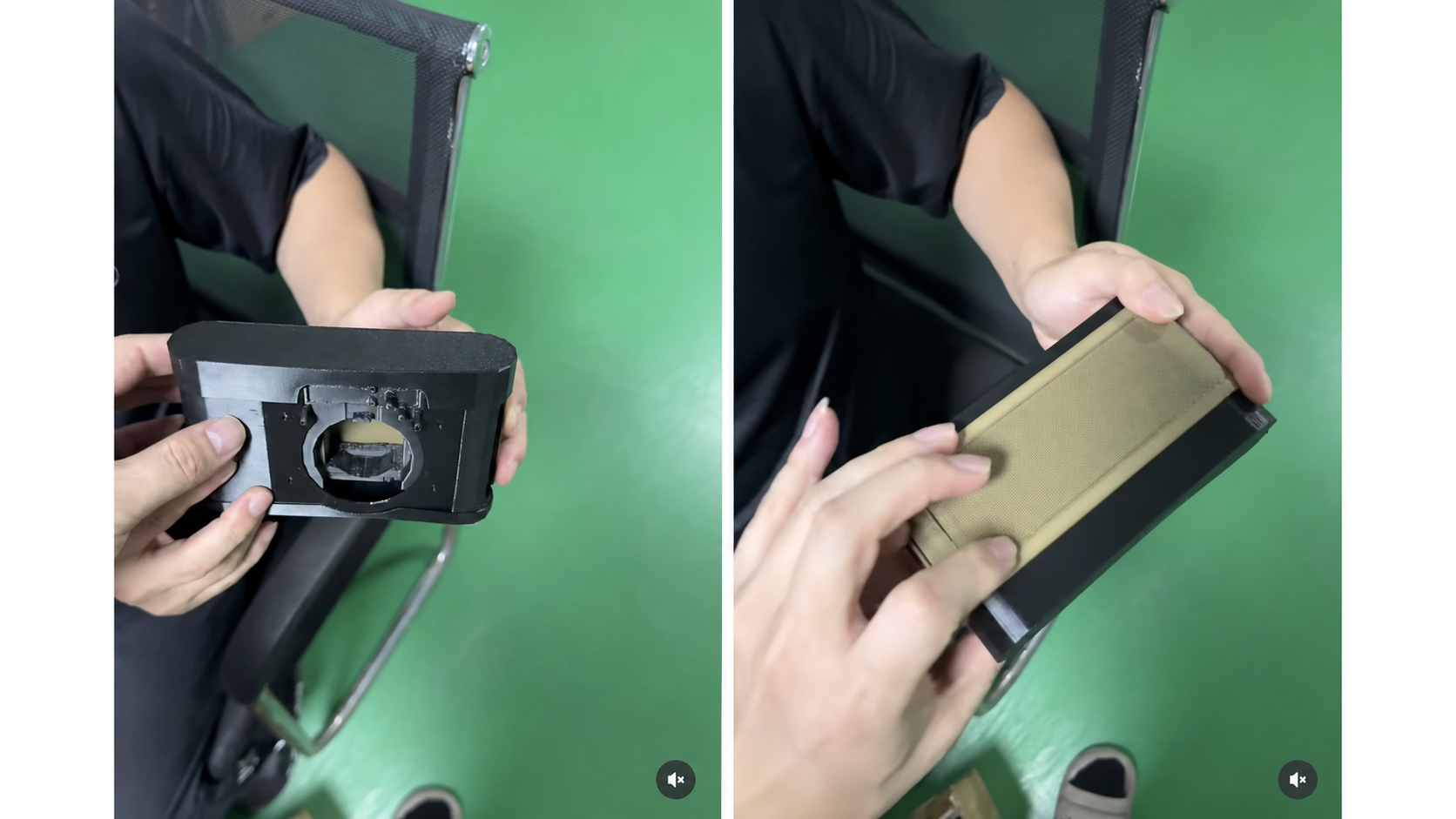
Light Lens Lab told PetaPixel the camera sits at the prototype stage and stands apart from its earlier work. The maker also said the design includes automatic features and new patent-pending technology. Because the patent stays under review, the company holds most technical details back. For now, the teaser video shows a compact, 3D-printed shell shaped like a vintage rangefinder.
The timing lines up with a broader film revival. Fortune, republishing The Conversation, reported a striking split in July 2026. In 2025, 35% of the world’s 42 million active film shooters were between ages 18 and 30. Camera makers have answered rising demand with fresh models, so a new film camera from a respected lens brand fits the moment. Meanwhile, Light Lens Lab now aims to stand beside its own lenses with a body of its own.
Details stay thin for now, and Light Lens Lab warned against reading too much into a single teaser. Even so, the direction looks clear. First, the company wants a camera it fully controls. Second, it wants the body to pair with film it also plans to make. As a result, the reveal reads less like a one-off and more like the next step in a longer plan.
Light Lens Lab Film Camera: What We Know So Far
The details below cover everything Light Lens Lab has shared about the project so far. Treat each line as a moving target, since the camera remains in early prototype form. The company plans to release more information as development moves forward.
| Specification | Details |
|---|---|
| Maker | Light Lens Lab |
| Product | All-new analog camera |
| Development stage | Rough 3D-printed prototype |
| Body style | Compact, Leica-style rangefinder |
| Confirmed features | Automatic functions, patent-pending technology |
| Link to past projects | None; a fully original design |
| Target release window | 2027 to 2030 |
| Companion products | New black-and-white film, peel-apart film |
| Source | Light Lens Lab via PetaPixel |
Who Light Lens Lab Is
Light Lens Lab built its reputation on recreating famous lenses at lower prices. The Chinese optics maker studies rare and expensive designs, then rebuilds them for photographers priced out of the originals. Its catalog includes faithful takes on classic Leica glass, such as a recent Light Lens Lab 35mm APO lens. Because those lenses earned strong reviews, a camera from the same team draws real attention.
For example, the company has rebuilt sought-after Leica formulas, from fast 35mm optics to specialty designs collectors chase. Each lens aims to match the character of a costly original while selling for a fraction of the price. Because of this track record, photographers treat a Light Lens Lab launch as a real event rather than a gamble.
The brand leans on a tagline for the camera project: “Recreating Legacy, Engineering Tomorrow.” Its wording matches the method behind the lenses, and the project aims to bring a classic rangefinder feel to a modern audience. For film shooters, the promise of fresh hardware from a name they respect carries weight.
Inside the Light Lens Lab Film Camera Prototype
The teaser shows a fairly plain, 3D-printed body with a shape close to a classic Leica rangefinder. Light Lens Lab confirmed the camera carries automatic features, a clear break from the fully manual Barnack and M-style bodies it echoes. The maker also flagged new patent-pending technologies, though it declined to explain them while the patent sits under review.
Automatic functions point toward metering, film advance, or exposure control, features absent from many vintage rangefinders. Light Lens Lab has not confirmed a lens mount, though its lineup centers on Leica M-mount and screw-mount designs. Notably, buyers watching the M-mount ecosystem will want clarity here, since mount choice shapes which lenses fit.
Patents also hint at ambition. A small maker rarely files patents for a simple manual body, so the language suggests a mechanism the company sees as new. Until the filing publishes, though, the specifics stay private. For this reason, photographers will want to watch the mount, the metering system, and the film-advance design as the prototype matures.
Light Lens Lab set a wide release target of 2027 to 2030 and called the work barely begun. Hardware timelines often slip, so treat those dates as hopes rather than promises. For context, the brand’s black-and-white film has moved slowly through testing, which shows how demanding original analog projects become.
Why a New Film Camera Arrives Now
Film photography sits in the middle of a real revival. The global film camera market reached roughly 1.1 billion dollars in 2025 and heads toward about 1.75 billion by 2031, according to Deep Market Insights. Demand from younger shooters drives much of the climb, and film camera prices have surged across popular used models. A brand-new analog camera answers a market short on fresh hardware.
Most current film bodies come from vintage stock or a handful of reissues. Leica revived its M6, Pentax launched its 17, and Canon showed an analog concept camera, yet supply stays thin against demand. Consequently, a working body from Light Lens Lab would add a rare new option instead of another refurbished classic.
Numbers tell part of the story, yet culture tells the rest. Younger shooters share film frames online, film labs report steady work, and new stores build community around the format. In addition, the appeal of a slower, more deliberate process pulls people away from endless digital frames. For a maker like Light Lens Lab, this mix of data and mood signals a market worth entering.
Light Lens Lab Film Camera vs. a Used Leica
Most film shooters weighing this project will compare it to a used Leica. A clean Leica M6 often sells for 4,000 dollars or more today, and prices keep climbing, as our roundup of the best 35mm film cameras shows. For buyers, a Light Lens Lab camera priced below the classics would open rangefinder shooting to more people.
The trade-off comes down to track record. Leica bodies carry decades of proven reliability, while an analog camera built new has none of this proven record yet. Still, Light Lens Lab has shipped well-reviewed lenses, so buyers have reason to take the effort seriously. Automatic features might also set it apart from the manual-only Leica bodies it resembles.
Price will decide much of the story. For instance, if the body lands near entry-level rangefinder money, it opens the format to newcomers. If it climbs toward Leica territory, buyers will weigh proven glass and resale value against a first-generation design. Either way, a fresh option on the market widens the field.
What This Means for Film Shooters
A single maker offering lenses, film, and a body would give film shooters a self-contained analog system. Light Lens Lab already sells lenses, works on a new black-and-white emulsion, and now adds the Light Lens Lab camera to the mix. For photographers drawn to seeing in black and white, an in-house film paired with an in-house body holds real appeal. Together, those pieces would let one company supply most of an analog kit.
The wider revival gives the plan a tailwind. PetaPixel called 2024 the best year for film in decades, and the analog film revival keeps pulling in new shooters. A fresh analog camera from a maker with proven glass fits neatly into this shift.
Plenty stands between a prototype and a finished product. The 2027 to 2030 window leaves room for changes in design, price, and features. For now, cult rangefinder film cameras and vintage bodies remain the practical route, while Light Lens Lab keeps refining its prototype.
Watch three signals as the project develops. First, a confirmed lens mount will tell shooters which glass fits, from Leica M-mount options to screw-mount adapters. Second, a rough price band will show whether the body targets curious newcomers or seasoned collectors. Third, working sample frames will prove the design has moved past the rough prototype stage. Until those milestones arrive, the smart move is patience rather than preorders. Meanwhile, news on the companion film will hint at how close the wider system stands to a real release.
Frequently Asked Questions
When will the Light Lens Lab film camera be released?
Light Lens Lab targets a release between 2027 and 2030. The company describes the project as extremely early, so the date might move. Treat the window as a rough guide rather than a firm launch.
Will the new camera be a Leica rangefinder copy?
The company says the design is fully original and unrelated to its past projects. Its body resembles a classic Leica rangefinder, yet Light Lens Lab frames it as its own creation with new patent-pending technology. So expect inspiration, not a direct copy.
How much will the Light Lens Lab camera cost?
Light Lens Lab has not announced a price. Given its history of undercutting the lenses it recreates, buyers hope for a figure well below Leica money. Nothing stands confirmed while the camera sits in prototype form.
Is Light Lens Lab making its own film?
Yes. Alongside the camera, Light Lens Lab develops a new black-and-white film emulsion and peel-apart film. Together with its lenses, those projects point toward a full analog photography system.
Is film photography making a comeback in 2026?
Film sits in a strong revival. Industry figures put the global film camera market above 1 billion dollars in 2025, with steady growth forecast through 2031. Younger shooters drive much of the demand, which helps explain why a new body draws interest.
What lens mount will the new camera use?
Light Lens Lab has not confirmed a mount. Its lens range centers on Leica M-mount and screw-mount designs, so those systems look like natural fits. Still, an original body might take a new path, and the company has stayed quiet on the point for now.

